
In a major step to reinforce its military capabilities, Sweden has committed SEK 3.5 billion towards enhancing its air defence, particularly to counter threats from cruise missiles, drones, and helicopters. This investment is set to strengthen the protection of Swedish brigades and improve the country’s overall defence posture.
On Tuesday, the Swedish Defence Materiel Administration (FMV) signed a contract worth SEK 2 billion for the acquisition of the Iris-T air defence system, which is also known as Fire Unit 98 by the Swedish Armed Forces. This high-tech system will form a central component of Sweden’s air defence strategy, alongside other necessary upgrades to the country’s air defence infrastructure.
A Dual-Component Investment Strategy
In addition to the SEK 2 billion spent on the Iris-T air defence system, SEK 1.5 billion will be allocated for the vehicles and platforms that will transport and launch the missiles. The Swedish Ministry of Defence has emphasized that these air defence systems will be crucial in protecting Swedish brigades from a variety of aerial threats, including fighter jets, cruise missiles, and a growing variety of drones.
At a press conference held at the Air Defence Regiment in Halmstad, Swedish Minister of Defence Pål Jonson highlighted the strategic importance of this investment: “This is a powerful reinforcement of our air defence capabilities,” he stated. “The Iris-T system will serve as a cornerstone in our broader defence framework, complementing Sweden’s existing air defence infrastructure and ensuring our forces remain well-equipped to meet emerging threats.”
Enhanced Detection and Operational Efficiency
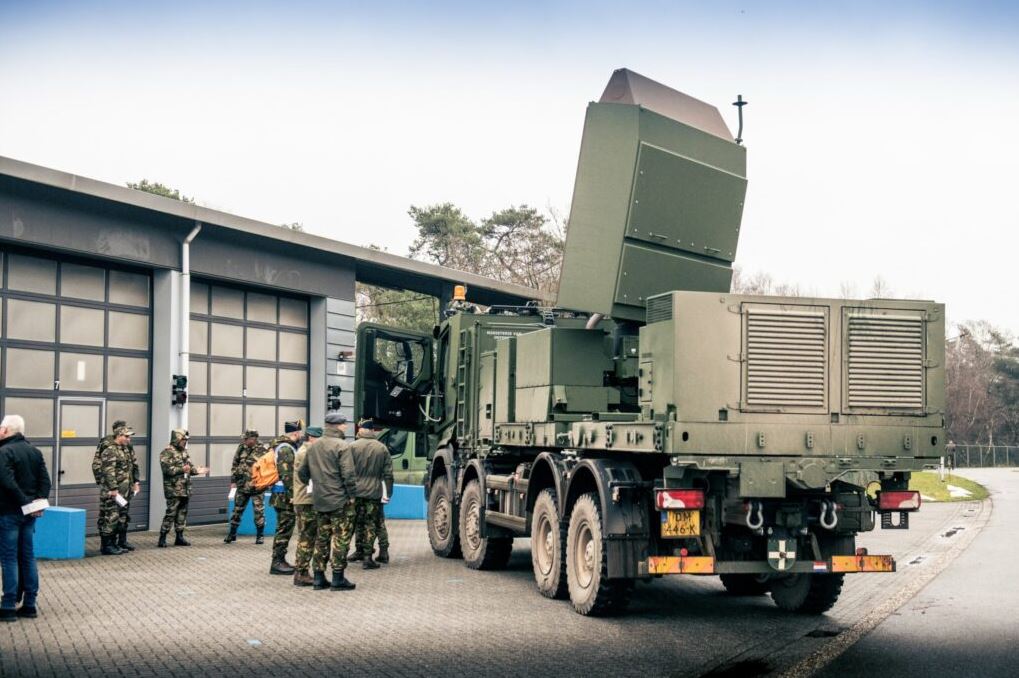
The new system will not only include the Iris-T missiles themselves but also advanced radar systems, command and control infrastructure, and essential spare parts. One of the key technological advancements of the new radar systems is their ability to detect small, low-flying objects, such as drones, from distances of over four kilometres—an invaluable capability in modern warfare where drone threats are increasing.
The investment also encompasses various command vehicles and combat control centres, which will enhance operational coordination and real-time decision-making on the battlefield. According to Jonson, this will allow Swedish forces to react faster and more effectively to air threats.
Targeted Deployment and Timeline
The new air defence systems will be deployed to two specific brigades—Norrbotten’s Regiment I19 and Skaraborg’s Regiment P4—both of which operate in strategically important regions of Sweden, particularly in the northern areas of the country. These systems are designed to provide short-range air defence capabilities, with the full set of capabilities equivalent to four platoons.
FMV estimates that the air defence systems will be fully operational by 2028, marking a significant milestone in Sweden’s long-term military readiness.
Complementing Sweden’s Existing Air Defence Capabilities
Fire Unit 98 is specifically designed to protect Swedish brigades from low-altitude threats, such as drones and short-range missiles. This complements the longer-range Iris-T systems that were procured earlier this year, enhancing Sweden’s layered air defence architecture.
Pål Jonson noted that the increasing order volume for defence systems reflects both the evolving security environment and Sweden’s commitments to NATO. “In recent months alone, Sweden has placed orders exceeding SEK 20 billion for air defence systems,” he said. “This expansion is driven by the demands placed on Sweden as part of its NATO integration, as well as lessons learned from the ongoing conflict in Ukraine.”
Strategic Investment with NATO in Mind
Jonson further emphasized that the investment in air defence is a direct response to Sweden’s growing need to meet NATO’s defence requirements, as well as the broader shift in European security dynamics following Russia’s invasion of Ukraine. The Swedish government has already set aside funds in the national defence budget to cover these procurement costs, ensuring that the country can meet its security needs and contribute to collective defence efforts within NATO.
Summary of Procured Equipment:
- 16 launch systems for missiles
- 8 short-range radar systems
- Platoon leadership vehicles
- Company command vehicles
- Combat control centres
- Upgrades to existing tracked Iris-T systems
- Spare parts and training
Conclusion: A Future-Focused Defence Strategy
Sweden’s ongoing investment in advanced air defence systems is a testament to its commitment to enhancing national security and meeting NATO’s evolving defence requirements. With the integration of the Iris-T systems, Sweden is positioning itself as a stronger, more resilient member of the international security community. As global threats continue to evolve, Sweden’s proactive defence strategy ensures its military is prepared for the challenges of tomorrow.