
Across the Nordic countries, Ukrainian communities express unwavering support for Ukraine’s sovereignty and a just peace based on international law. However, there is significant concern and criticism regarding recent peace plans that are perceived as overly conciliatory to Russia, particularly those that impose territorial concessions or undermine Ukraine’s military and diplomatic aspirations.
Norway: A Deepening Sense of Betrayal
In Norway, Ukrainians have voiced intense opposition to a US-proposed peace plan between Ukraine and Russia, which many see as disproportionately favouring the Russian side. Critics within the community argue that the proposal requires Ukraine to make significant territorial concessions in the heavily fortified Donbas region and to restrict its military capabilities and NATO ambitions. This, they argue, would effectively force Ukraine to surrender hard-won territory and sovereignty, undermining the sacrifices made on the battlefield.
For the Norwegian-Ukrainian diaspora, the peace plan represents a betrayal of Ukraine’s right to self-determination. Many are particularly frustrated by the absence of Ukrainian input in the proposal’s development, feeling that their country’s interests have been disregarded. The human cost of the war, especially the ongoing civilian casualties, including children, is seen as downplayed in these negotiations.
Ukrainians in Norway also express disappointment with Western leaders, accusing them of failing to hold Russia accountable for its actions. In contrast, they show strong solidarity with the Norwegian government, which has consistently supported Ukraine’s sovereignty. Norway’s continued military and humanitarian aid to Ukraine reflects this broader public sentiment. The message from the Norwegian-Ukrainian community is clear: they will not accept any peace agreement that compromises Ukraine’s territorial integrity or security.
In summary, Ukrainians in Norway are resolutely sceptical of any peace plan that forces concessions to Russia, prioritizing Ukraine’s independence and resistance over the idea of a prematurely negotiated peace.
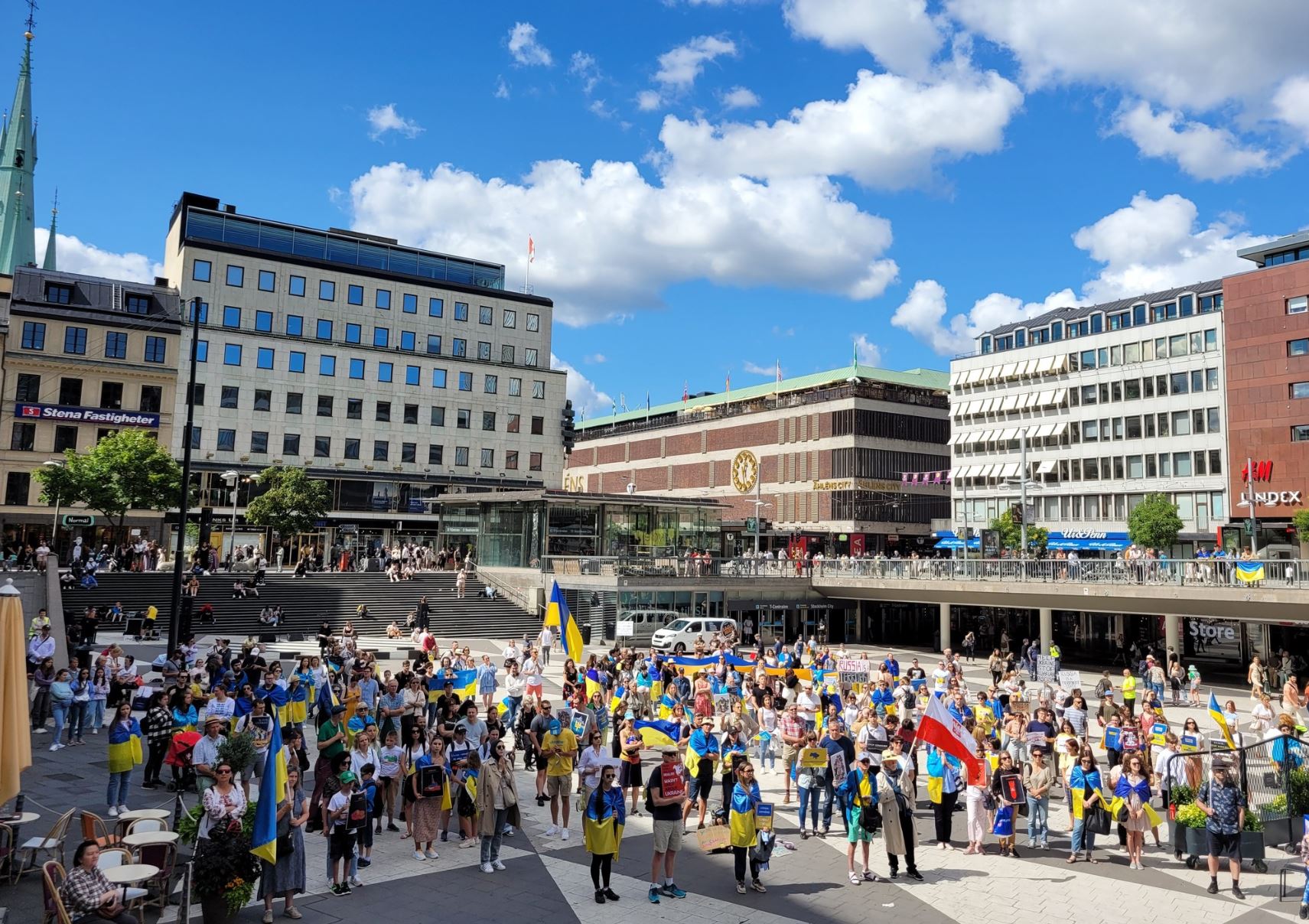
Sweden: Opposition to a Peace Plan Seen as Favouring Russia
The Ukrainian community in Sweden has also strongly criticized the 28-point peace plan proposed in late 2025, which they argue heavily favours Russian interests. The proposal demands significant territorial concessions from Ukraine, limits its military capabilities, and curtails its NATO aspirations. To many, it represents a capitulation that undermines Ukraine’s struggle for sovereignty.
Swedish political leaders have firmly rejected any peace plan that would recognize Russian territorial gains, particularly the annexation of Crimea. Sweden’s position on Ukraine’s full sovereignty aligns with the Ukrainian diaspora, who are committed to a stance of non-negotiation on territorial integrity. Public protests have erupted in Stockholm, with demonstrators voicing their opposition to any peace deal that they perceive as rewarding Russian aggression.
Swedish government officials have reiterated their commitment to Ukraine’s EU membership, military support, and humanitarian aid. These positions resonate with the Ukrainian community, who remain hopeful that Sweden will continue to advocate for a just peace—one that recognizes Ukraine’s sovereignty, holds Russia accountable, and ensures Ukraine’s security.
In conclusion, Ukrainians in Sweden stand firmly against any peace proposal perceived to reward Russian aggression. Their views are aligned with Sweden’s official policy, which supports Ukraine’s territorial integrity and continued assistance in its defence.
Denmark: Discontent with Peace Proposals Sidelining Ukraine
Ukrainians in Denmark have expressed deep concerns over peace proposals that they feel favour Russia at the expense of Ukraine’s sovereignty. The Danish public discourse reflects strong support for Ukraine’s territorial integrity and resistance to any plan that would force Ukraine to make military concessions or give up strategic territories like Donbas.
Danish Foreign Minister Lars Løkke Rasmussen has publicly criticized the lack of European involvement in the drafting of the US-Russia peace framework, which was reportedly developed without Ukrainian or European input. This sentiment resonates with the Ukrainian diaspora in Denmark, who view such peace proposals as undermining Ukraine’s sovereignty.
Denmark has been a staunch supporter of Ukraine throughout the conflict, emphasizing the need for peace that respects Ukraine’s independence and territorial integrity. Danish officials highlight the ongoing Russian attacks on Ukrainian civilians and infrastructure as reasons why peace proposals should not reward aggression or demand detrimental compromises from Ukraine.
In summary, Ukrainians in Denmark largely oppose peace plans that they perceive to be imposed or biased towards Russia. They echo Denmark’s broader political stance, advocating for a just peace based on respect for Ukraine’s sovereignty and security.
Finland: Shock and Rejection of US-Russia Peace Proposal
In Finland, Ukrainians have reacted with shock and dismay to the 28-point peace plan proposed by former US President Donald Trump. This proposal is widely viewed as a capitulation to Russian aggression and a violation of Ukraine’s sovereignty. Many see it as legalizing Russia’s territorial gains and failing to provide for the withdrawal of Russian forces or accountability for war crimes.
Olena Herasymenko, head of the Finnish Ukrainians Association, expressed profound disappointment with the plan, noting that it was negotiated primarily between the US and Russia, leaving Ukraine and European countries sidelined. The suggestion to recognize Russian control over occupied Ukrainian territories is seen as an unacceptable surrender.
Finnish political leaders, including Prime Minister Petteri Orpo and Defence Minister Antti Häkkänen, have also criticized the plan, stating that sustainable peace must be achieved with Ukraine’s full participation and acceptance. Finnish officials have emphasized that any peace process must not reward Russia’s aggression but should focus on restoring Ukraine’s territorial integrity and ensuring justice for the victims of the war.
In conclusion, Ukrainians in Finland share the broader concerns voiced across the Nordic region, rejecting any peace plan that they believe legitimizes Russia’s territorial claims or forces Ukraine into unfavourable compromises. They call for a peace agreement that ensures Ukraine’s sovereignty and security and holds Russia accountable for its actions.
Conclusion: A Unified Stance for Ukraine’s Sovereignty
The Ukrainian communities across the Nordic countries—Norway, Sweden, Denmark, and Finland—share a strong and unified stance against any peace plan that undermines Ukraine’s territorial integrity or sovereignty. Despite differing national contexts and political landscapes, there is a common thread of support for a just peace based on international law, one that respects Ukraine’s right to self-determination and ensures the withdrawal of Russian forces from occupied territories.
While the communities express deep frustration over the lack of Ukrainian involvement in the peace negotiations, they remain steadfast in their belief that any lasting peace must involve Ukraine’s full participation and must not reward Russian aggression. Their solidarity with Ukraine’s sovereignty is reflected in their support for their respective governments’ positions, which consistently align with the principles of territorial integrity and resistance to Russian territorial expansion. The message is clear: peace should be just, fair, and rooted in respect for Ukraine’s independence.