
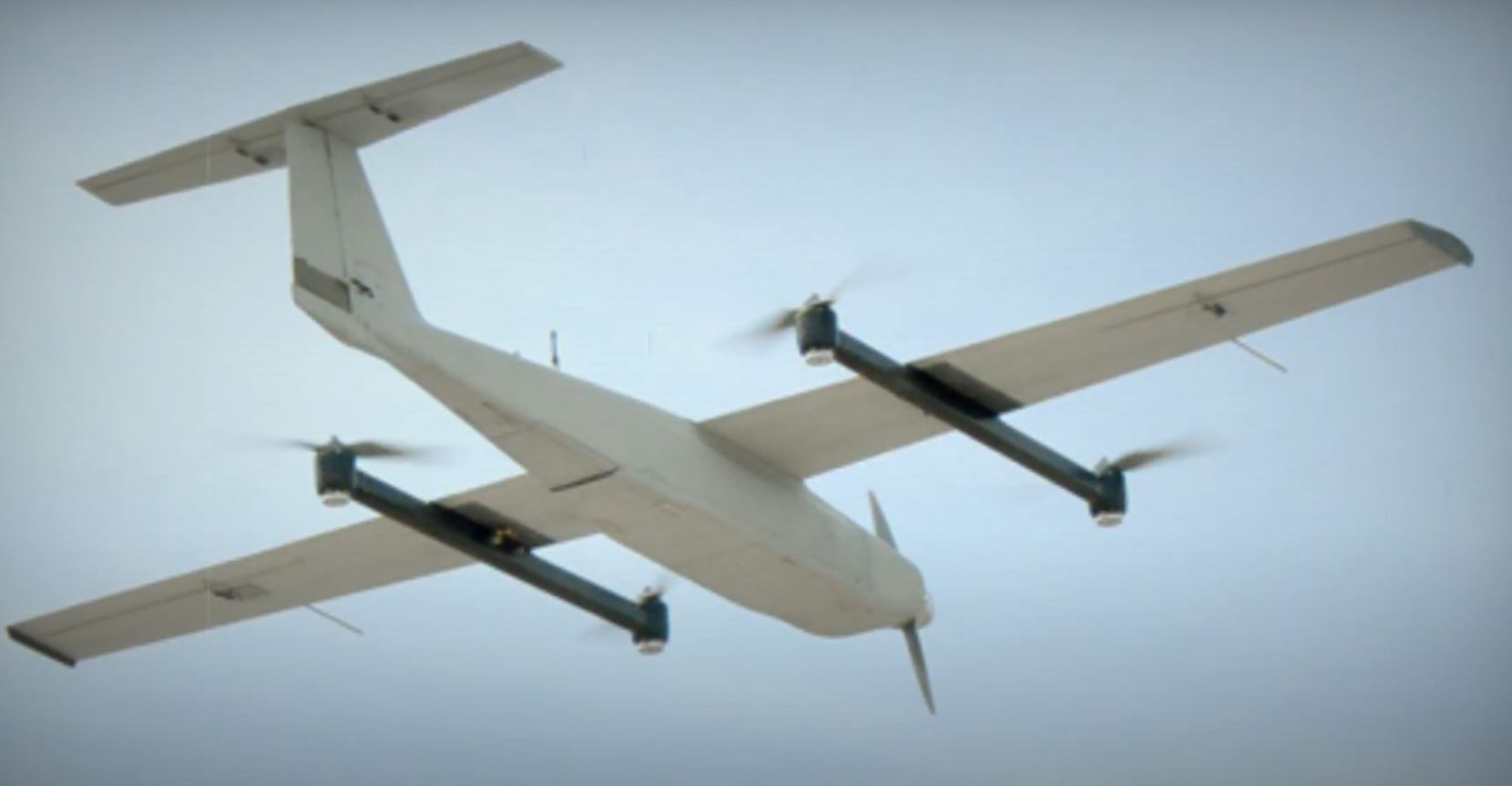
In a landmark move signalling the deepening integration of Ukraine into Europe’s defence-industrial architecture, Norway and Ukraine signed a Letter of Intent on November 29, 2025, to jointly produce Ukrainian-designed unmanned aerial vehicles (UAVs) on Norwegian soil. Pilot production is slated to begin in early 2026, with full-scale operations expected to ramp up through the year. Critically, all drones manufactured under the agreement will be donated directly to Ukraine’s Armed Forces—a strategic arrangement that simultaneously bolsters Kyiv’s war effort and accelerates Norway’s domestic defence innovation.
The pact represents more than a bilateral defence agreement; it is a cornerstone of a broader Nordic-European pivot toward defence industrial self-reliance amid deteriorating transatlantic security assurances. With U.S. military aid to Ukraine facing increasing political headwinds in Congress, European nations—particularly those in the Nordic region—are stepping into the breach not only as donors but as co-producers and co-innovators.
A Partnership of Strategic Necessity and Mutual Gain
Ukrainian Prime Minister Denys Shmyhal highlighted the urgency of the deal, noting that “Norway provides a secure, high-capacity production base beyond the reach of Russian strikes, while offering access to cutting-edge research infrastructure.” The collaboration will link Ukrainian drone developers with Norway’s Defence Research Institute (FFI), long a hub for advanced aerospace and electronic warfare R&D, enabling joint development of next-generation UAV platforms optimised for electronic resilience, autonomy, and precision strike capabilities.
For Norway, the initiative delivers tangible dual-use value. “This isn’t charity—it’s strategic investment,” stated Norwegian Defence Minister Tore O. Sandvik in an exclusive interview with the Nordic Business Journal. “Ukraine has waged the world’s most intensive real-world laboratory for drone warfare. By embedding their battle-tested technologies into our industrial ecosystem, we enhance our own defence readiness while catalysing growth in Norway’s emerging defence-tech sector.”
The agreement builds directly on the Brave-Norway Memorandum, signed in October 2025, which committed €20 million to joint innovation in unmanned systems, cybersecurity, and dual-use technologies. That framework now serves as the financial and operational backbone for the drone co-production effort, with additional EU funding channels—such as the European Defence Industrial Development Programme (EDIDP)—poised to supplement national contributions.
The Nordic Corridor for Ukrainian Defence Tech
Norway’s move follows closely on the heels of a similar breakthrough in Denmark. In September 2025, Ukraine inaugurated its first overseas drone production line in Copenhagen, enabled by a July bilateral agreement backed by €1.26 billion in Danish state financing for long-range UAV development and manufacturing. That “Danish model”—which allows Ukrainian firms to export proprietary drone designs and establish secure assembly facilities—has already become a blueprint for European defence cooperation.
Ukrainian President Volodymyr Zelenskyy has explicitly framed these partnerships as part of a broader strategy to “Europeanize” Ukraine’s defence industry, creating production nodes across allied nations to ensure continuity of supply regardless of battlefield conditions. Speaking at the Ukraine Defence Contact Group in Brussels last month, Zelenskyy announced plans to replicate the Danish and Norwegian models in Poland, the Baltic states, and potentially Sweden.
Economic and Industrial Implications for the Nordics
The implications for Norway’s economy are already becoming apparent. Defence-tech clusters in Kongsberg, Trondheim, and Oslo are preparing to absorb Ukrainian engineering talent and integrate Ukrainian drone subsystems—such as AI-enabled targeting modules and hardened communication protocols—into local supply chains. Industry analysts project the initiative could generate 200–300 high-skilled jobs in Norway by 2027, primarily in final assembly, systems integration, and R&D.
Sweden, though not yet a formal participant, is widely expected to join this emerging Nordic defence-tech corridor. With Saab, BAE Systems Hägglunds, and a robust ecosystem of SMEs specializing in sensors and autonomous systems, Sweden possesses complementary capabilities that could anchor regional supply chains—particularly in components less vulnerable to battlefield disruption.
Moreover, Ukraine’s drone exports are surging globally. Recent contracts include the delivery of over 10,000 UAVs to Poland and a multi-year framework agreement with the U.K. for maritime and loitering munition systems. This commercial momentum validates the technological edge Kyiv brings to the table—and underscores why Nordic nations view partnership not as a wartime stopgap, but as a long-term industrial opportunity.
Risks and Resilience
The partnership is not without challenges. Supply chain vulnerabilities persist: key components such as microelectronics remain subject to global shortages and potential Russian sabotage attempts. Furthermore, integrating Ukrainian firms into EU regulatory frameworks—particularly concerning export controls and cybersecurity certification—requires careful harmonisation.
Yet these risks are being actively mitigated. The Brave-Norway program includes dedicated funding for supply chain diversification and digital security audits, while Norway’s NATO membership ensures alignment with broader Allied defence standards.
Forward Outlook: Defence Integration as Deterrence
Ultimately, the Norway-Ukraine drone pact reflects a paradigm shift in Nordic security strategy. No longer content to rely on U.S. guarantees or passive neutrality, Nordic states are embracing defence industrialization as a core pillar of national resilience—particularly in the face of Russia’s escalating hybrid warfare tactics, which now include cyberattacks, disinformation, and economic coercion alongside conventional threats.
As Minister Sandvik put it: “When Russia sees Ukrainian drones built in Oslo and flown over Kharkiv, it understands that Europe’s defence is no longer fragmented—it’s fused.” This fusion, forged in the crucible of war, may well define the next decade of Nordic security and industrial policy.
For the Nordic business community, the message is clear: defence is no longer a siloed government function. It is a dynamic, innovation-driven sector where wartime necessity is accelerating peacetime competitiveness—and where partnerships with Ukraine offer both strategic security and economic upside.