
ÖREBRO, SWEDEN – In the quiet corridors of memory clinics across the Nordics, a familiar, heart-wrenching scene often plays out: families arrive with a loved one whose forgetfulness has grown into something more concerning—only to learn that the changes in their brain began years, even decades, earlier.
But a quiet revolution is underway in a lab at Örebro University. Here, a research team has helped develop artificial intelligence models capable of detecting subtle signs of dementia long before traditional methods can—potentially changing the narrative from late-stage management to early, meaningful intervention.
“Early diagnosis is crucial,” writes Muhammad Hanif, one of the lead researchers behind the project, in a statement that carries both scientific weight and human urgency. “It’s the difference between preparing and reacting.”
How Does It Work? Listening to the Brain’s Whisper
The AI doesn’t diagnose in the traditional sense. Instead, it recognises patterns—patterns too subtle or complex for the human eye or ear to reliably catch.
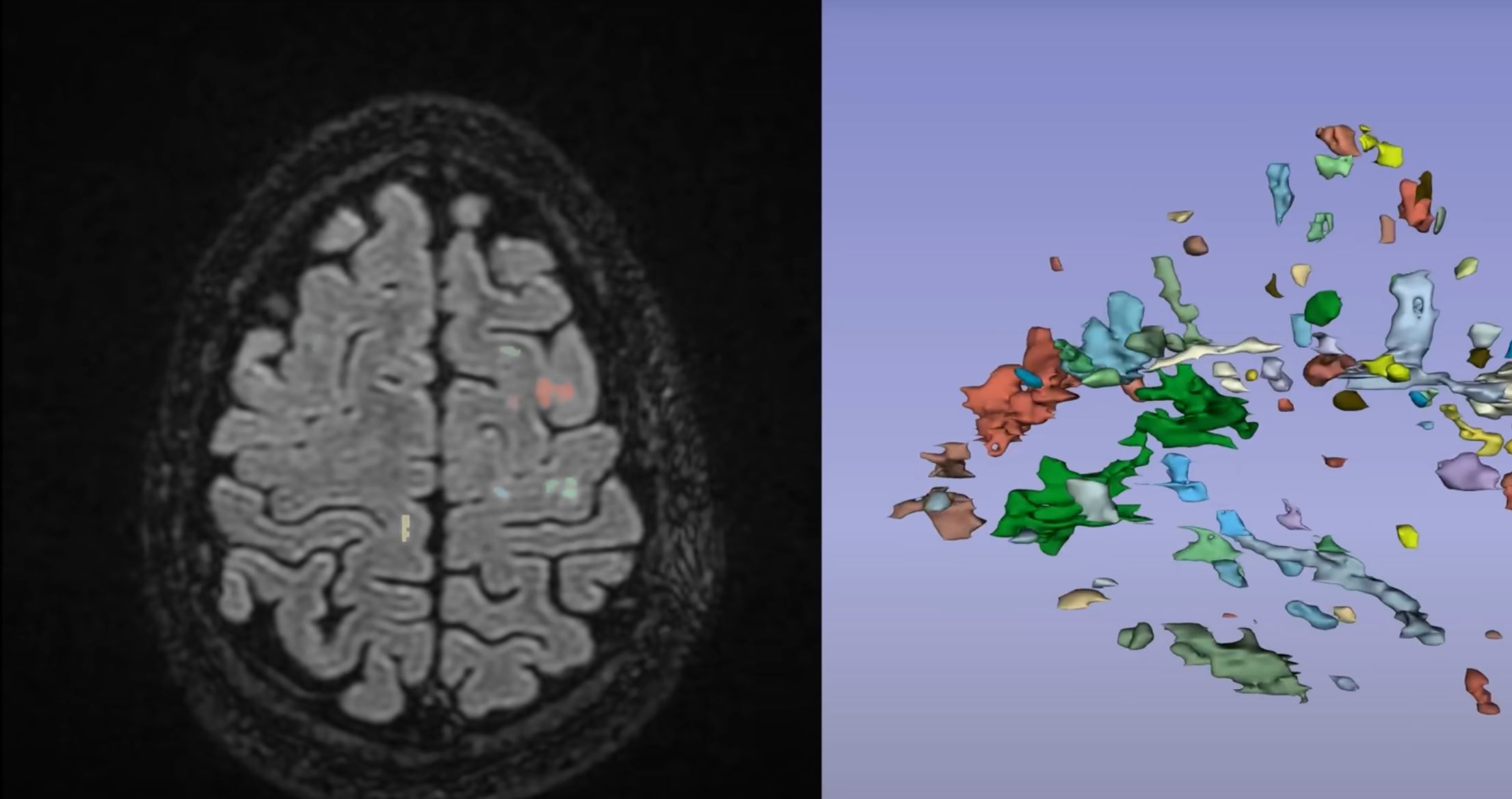
It reads between the pixels of an MRI scan, detecting minute shrinkage in the hippocampus—the brain’s memory centre—or changes in neural connectivity that hint at Alzheimer’s disease years before significant symptoms arise.
It listens between the words in a clinical conversation. By analysing speech patterns, rhythm, word choice, and grammar, the AI can pick up on the slight linguistic fumbling that often precedes noticeable memory loss. A tendency to use more vague terms, a slight pause before naming common objects, a simplification of sentence structure—these become data points in a predictive model.
Most powerfully, the AI can integrate multiple signals: brain imaging, speech analysis, cognitive test results, and even genetic markers. This “multimodal” approach allows it to not only identify cognitive decline but also suggest which type of dementia may be developing—be it Alzheimer’s, frontotemporal dementia, or vascular dementia—each requiring different management strategies.
Why the Nordics Are Leading This Charge
The Nordic model of universal, digitised healthcare provides a unique foundation for this research.
“We have robust, high-quality health registries and a strong tradition of ethical review and patient privacy,” explains Dr. Lena Sjöberg, a geriatrician not involved in the Örebro study but familiar with its implications. “This allows researchers to train AI on comprehensive, representative data while maintaining the highest ethical standards—a balance that is critical.”
Furthermore, the Nordic emphasis on equitable care aligns with one of the biggest challenges in AI diagnostics: avoiding bias. An AI trained only on one demographic group performs poorly on others. Swedish and Nordic teams are acutely aware of this, working to ensure their models are validated across diverse populations.
The Human Impact: More Than Just a Label
An early warning is not about causing unnecessary anxiety. It’s about agency.
For the growing number of new drugs that slow the progression of Alzheimer’s (such as lecanemab), timing is everything. These treatments are most effective in the earliest stages. An AI-assisted early diagnosis could mean the difference between preserving independence for years or missing the therapeutic window.
It also means time. Time for individuals and families to plan—financially, legally, and emotionally. Time to adapt homes, to make lifestyle changes that support brain health, and to participate in clinical trials for the next generation of therapies.
The Road Ahead: From Lab to Clinic
The team at Örebro is clear: the AI is a decision-support tool, not a replacement for a neurologist’s expertise. The next steps involve rigorous clinical trials, regulatory approval as a medical device, and designing how this tool fits seamlessly—and ethically—into the patient journey.
“The goal is to give our clinicians a sharper lens,” says Hanif. “To see what was once invisible, so we can act with more clarity and compassion.”
As our populations age, the societal burden of dementia grows. This Swedish-led innovation represents more than a technical achievement; it’s a shift toward a future where we meet dementia not with fear and reaction, but with foresight and preparation.
Want to Know More?
The research is published in Nature Portfolio Journal of AI Imaging. For support and information in the Nordics, visit Dementiaförbundet (Sweden), Alzheimerforeningen (Norway/Denmark), or Muistiliitto (Finland).