
Despite Sweden’s commitment to reducing reliance on Russian energy sources, a complex web of global uranium trade may still link Swedish nuclear power plants to Russia’s state-controlled uranium industry. A new investigation reveals that while Swedish nuclear plants have ceased importing uranium directly from Russia, it is possible that uranium from Russian-owned companies continues to power the nation’s reactors. This raises concerns about the traceability and transparency of nuclear fuel supply chains, particularly in the wake of ongoing geopolitical tensions and the European Union’s sanctions on Russian energy exports.
The Global Uranium Supply Chain: A Murky Reality
Sweden’s three nuclear power plants, including those at Ringhals, Forsmark, and Oskarshamn, have pledged to stop purchasing uranium directly from Russian sources. However, the origin of uranium fuel currently in use remains difficult to track. Uranium, a key component of nuclear fuel, is not subject to origin labelling requirements. This means that from the mining process to the final fuel used in reactors, uranium passes through multiple countries and entities without clear documentation of its provenance.
For instance, Vattenfall, which owns a majority share in Ringhals and Forsmark, has stated that it sources uranium exclusively from Canada and Australia. On the other hand, Uniper, the majority owner of Oskarshamn, accepts uranium from a broader range of countries including the USA, Australia, Canada, Kazakhstan, Uzbekistan, South Africa, and Namibia.
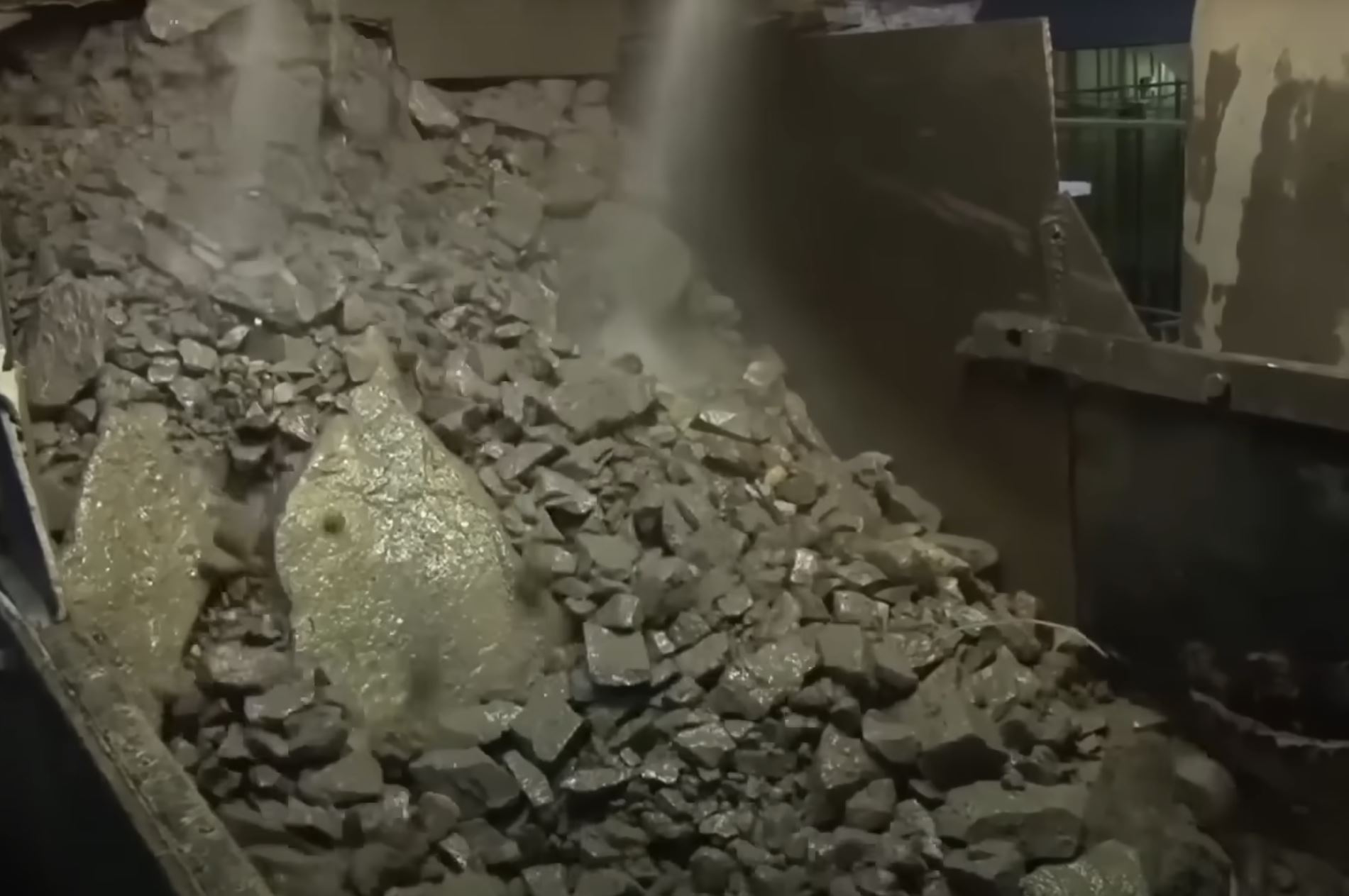
Kazakhstan: The Silent Russian Connection
In 2022, Oskarshamn power plant reported that it purchased all of its uranium from Kazakhstan. While the plant has since declined to confirm the current level of its purchases, it is notable that Kazakhstan is the world’s largest producer of uranium, accounting for 39% of global mining output in 2024. However, Kazakhstan’s uranium industry is heavily influenced by Russian interests.
The state-owned Russian company Rosatom owns approximately 20% of Kazakhstan’s uranium production, a partnership that allows Russia to exert significant influence over uranium extraction in the region. This fact raises concerns that despite Sweden’s best efforts to avoid Russian uranium, the country may still indirectly rely on Russian interests for its nuclear fuel.
The EU’s Uranium Imports: A Glaring Gap
Although the European Union has implemented sweeping sanctions against Russian energy exports, uranium remains an exception. By 2024, Russia still accounted for 14% of the EU’s uranium imports, 23% of conversion services, and 24% of enriched uranium. This gap in sanctions policy continues to fuel debates over energy independence and transparency in the nuclear sector.
The European Commission’s recent efforts to reduce EU reliance on Russian energy have so far excluded uranium. The lack of sanctions on this crucial resource highlights the challenges facing the EU as it seeks to transition to a more sustainable and independent energy future.
The Case for Transparency: Should Uranium Have an Origin Mark?
Amidst these concerns, there is growing support for introducing a labelling system for uranium, similar to those in place for other energy resources. Politicians from various parties have weighed in on the issue, with the Left Party and the Green Party both advocating for an origin marking system to ensure greater transparency in the nuclear fuel supply chain.
Birger Lahti, the Left Party’s energy spokesperson, argues that such a system would enhance accountability and provide stronger incentives for nuclear power companies to source uranium from countries with more stringent environmental and safety regulations. Similarly, the Centre Party has called for the introduction of origin labels on all energy sources, including uranium, to enable both businesses and consumers to make more informed and sustainable choices.
However, not all political groups agree. The Moderates, for instance, contend that Swedish nuclear power companies already have sufficient oversight of their uranium sources. Jesper Skalberg Karlsson, leader of the Moderate group in the Economic Affairs Committee, argues that an origin marking system would create unnecessary costs and administrative burdens without offering significant benefits.
The Political Divide: Views on Swedish Uranium Mining
At the same time, the political landscape is divided over Sweden’s domestic uranium mining potential. The Sweden Democrats, alongside the government, recently lifted a ban on uranium extraction in Sweden, citing the country’s dependency on imported uranium. The introduction of origin labelling, they argue, should be handled within the framework of the Euratom cooperation to ensure consistency across the EU.
On the other hand, the Green Party and the Social Democrats have emphasized the importance of increasing transparency around uranium imports. They advocate for EU-wide import bans on Russian uranium and stronger oversight of nuclear fuel sourcing to ensure both environmental sustainability and geopolitical security.
Conclusion: Navigating the Future of Swedish Nuclear Power
The issue of Russian-linked uranium in Sweden’s nuclear power plants is emblematic of a broader challenge facing the global energy sector: the need for greater transparency in the sourcing and trading of critical resources. While Sweden has taken steps to reduce its reliance on Russian energy, the complex, multi-country supply chain for uranium leaves open the possibility of indirect Russian influence in the country’s nuclear energy mix.
As the debate around origin labelling continues to unfold, Sweden must consider how to balance energy security, environmental responsibility, and geopolitical stability. With an eye on the future, the country may need to adopt clearer regulations to ensure that its nuclear power sector is both transparent and truly independent from Russian influence.