
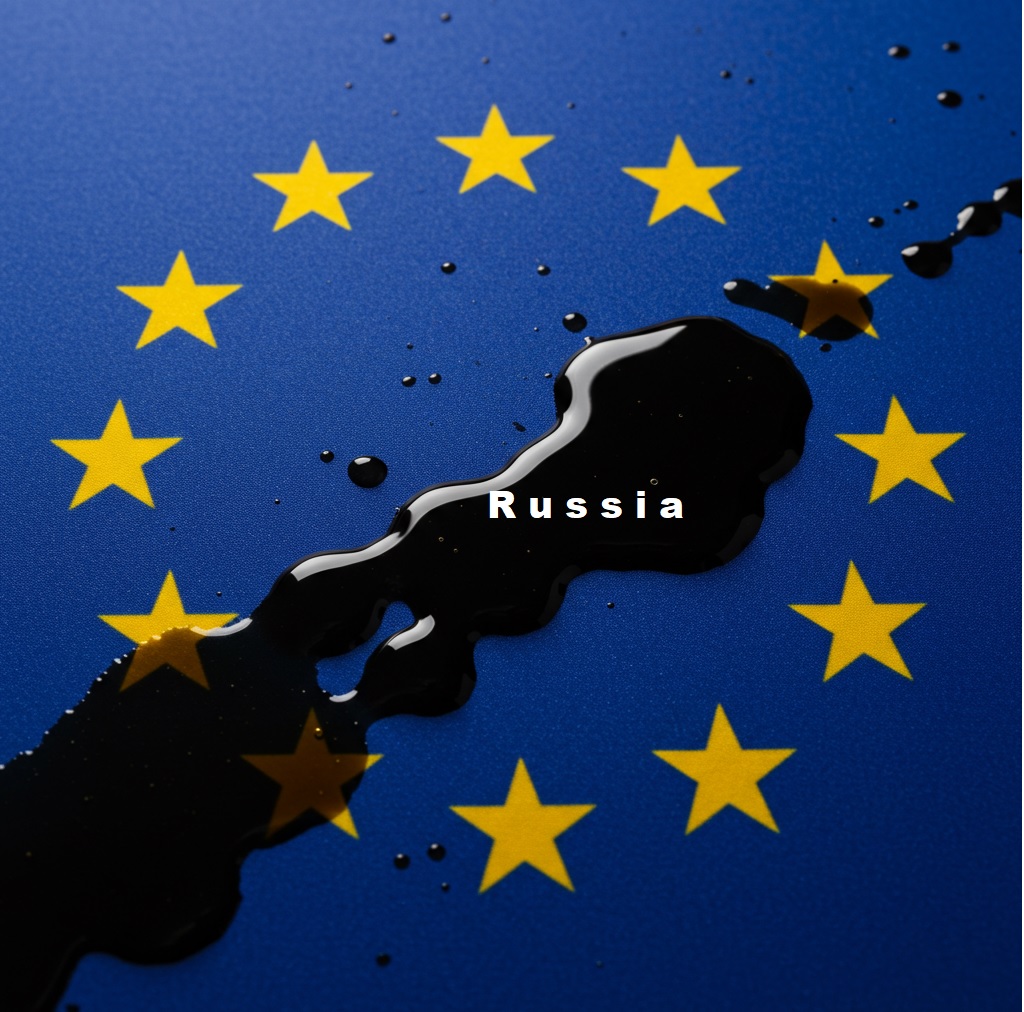
The European Union has reached a landmark agreement to end its reliance on Russian natural gas by autumn 2027. This decision, announced by the EU Council of Ministers, marks a significant step in the EU’s efforts to reduce dependence on Russian energy sources in the wake of the invasion of Ukraine.
The agreement, while still subject to formal approval, outlines a clear timeline for the complete cessation of Russian gas imports. Once the plan is fully implemented, all new gas contracts with Russian suppliers will be prohibited within six weeks of the agreement’s enforcement. However, transitional arrangements will be put in place for existing contracts to ensure a smooth phase-out.
Key Provisions of the Agreement:
- Short-Term Contracts: Any short-term contracts signed before June 17, 2023, will be allowed a grace period, which extends until the summer of 2026. These contracts will be subject to review and renegotiation as the EU works towards securing alternative energy sources.
- Long-Term Contracts:
- Long-term contracts for liquefied natural gas (LNG) from Russia will cease by January 1, 2027.
- Long-term pipeline contracts, however, will remain valid until October 31, 2027, giving member states a few more years to transition to non-Russian suppliers.
This deal represents a compromise between the European Parliament and the EU Council of Ministers. The European Parliament initially pushed for a quicker transition, proposing to phase out Russian gas by January 1, 2027, and also calling for a ban on all oil imports from Russia. However, due to divergent views among member states and the complexity of energy markets, the final plan provides a more gradual timeline.
Shifting Energy Landscape:
The agreement comes at a time of significant change in the EU’s energy landscape. As of October 2023, Russian gas accounted for just 12% of the EU’s total gas imports, a sharp decline from the 45% share it held before the full-scale invasion of Ukraine in 2022. This dramatic shift reflects both the EU’s concerted efforts to diversify its energy sources and the broader geopolitical impacts of the war in Ukraine.
Despite these efforts, some EU member states, including Hungary, France, and Belgium, continue to import Russian gas, albeit in reduced quantities. These countries face more complex challenges in transitioning away from Russian energy due to existing energy infrastructure and geopolitical considerations.
The Road Ahead:
The gradual phase-out of Russian gas is part of a broader EU strategy to achieve energy security and reduce its vulnerability to external political pressures. In recent years, the EU has accelerated investments in renewable energy, LNG imports from other suppliers, and energy efficiency measures, all in a bid to diversify its energy mix and reduce dependence on fossil fuels.
However, this ambitious transition also brings challenges, especially for those countries still heavily reliant on Russian gas. Ensuring a stable and affordable energy supply for businesses and consumers during this transition will require further coordination between EU member states and the energy sector.
The agreement also signals the EU’s commitment to a more resilient energy future, one that prioritizes sustainability and security. The complete phase-out of Russian gas by 2027 is expected to play a pivotal role in reshaping Europe’s energy landscape for years to come, fostering greater energy independence and aligning with the EU’s long-term climate goals.
While the EU’s decision to phase out Russian gas by autumn 2027 marks a significant milestone in Europe’s energy transition, it is clear that the road ahead will require continued cooperation, innovation, and strategic planning. As the EU moves toward greater energy diversification and security, the coming years will be critical in determining how successfully it can navigate this complex transition.