
Recent data reveals a concerning reversal in the global fight against malaria. Cases are on the rise, just as the two major pillars—financial support and medicines—are weakening. As the world struggles to keep momentum, malaria’s threat intensifies, with rising cases and emerging resistance threatening progress.
Rising Cases, Stagnant Progress
The global malaria situation in 2023 paints a grim picture.
- 263 million cases and 597,000 deaths were reported, marking an 11 million increase from the previous year. This is the third consecutive year of rising cases.
- Sub-Saharan Africa remains the epicentre, with 94% of cases and 95% of deaths concentrated there. Just four countries—Nigeria, the Democratic Republic of Congo, Niger, and Tanzania—account for half of the global malaria deaths.
- The global mortality rate of 13.7 per 100,000 people is now nearly three times higher than the 2025 target set by the World Health Organization (WHO).
The Impact of Aid Contraction
A reduction in international aid is significantly affecting malaria control efforts.
- After the 2025 U.S. foreign-aid pause, over 40% of insecticide-treated net campaigns (targeting 425 million people) are delayed or at risk. Meanwhile, 30% of seasonal chemo-prevention programs for 58 million children are falling behind.
- Over 50% of malaria-endemic countries report disruptions to critical services. Stocks of rapid diagnostic tests and first-line treatments are dangerously low.
- The current trend mirrors past failures: when the global eradication campaign was abandoned in 1969, malaria resurged over the following three decades. Similarly, COVID-19 disruptions in 2020 led to an estimated 14 million additional cases and 47,000 deaths.
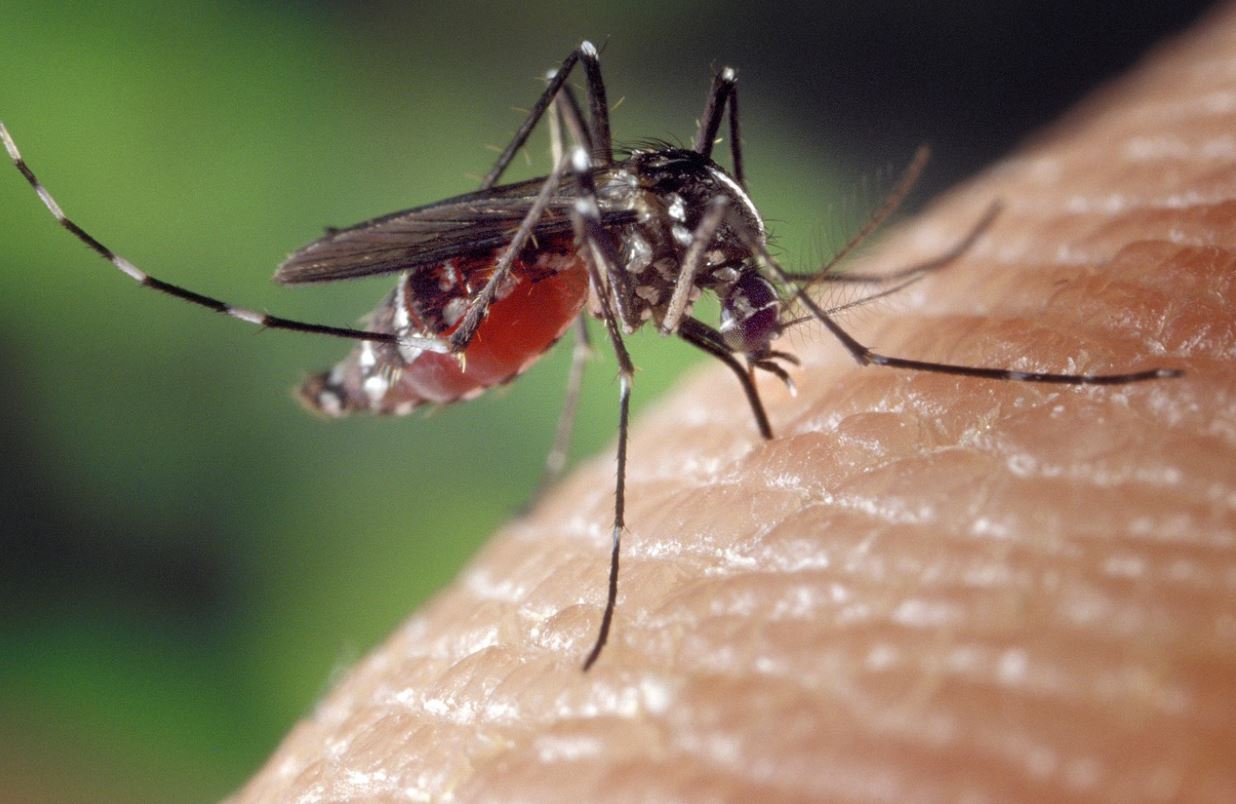
Rising Resistance to Drugs and Insecticides
The emergence of resistance is undermining key malaria control strategies.
- Artemisinin resistance has been confirmed in countries like Eritrea, Rwanda, Uganda, and Tanzania. The drug is central to artemisinin-based combination therapies (ACTs), which remain the gold standard for malaria treatment.
- Piperaquine resistance has emerged in South America, eroding the effectiveness of the dihydroartemisinin-piperaquine regimen, which is widely used.
- Vector resistance to pyrethroids and other insecticides is now documented in most high-burden countries, threatening the efficacy of bed nets and indoor spraying—key preventive measures.
When “Easy to Treat” Becomes Challenging
Malaria is no longer “easy to treat” in many areas due to logistical and economic barriers.
- Even where effective ACTs remain available, stock shortages, long distances to health facilities, and higher out-of-pocket costs (due to reduced aid) lead to delayed treatment or inappropriate therapy for children. This results in severe disease and further transmission.
- Malaria vaccines, such as RTS,S and R21, offer some hope, but they are not a magic bullet. Although 17 African countries have introduced these vaccines, their efficacy diminishes sharply after 12 months. Additionally, booster schedules are still being refined, and coverage remains too low to offset losses in other areas.
The Fork in the Road: A Critical Juncture for Malaria Control
The future of malaria control depends on how countries respond in the coming years.
- Without urgent re-financing and comprehensive resistance containment strategies, some experts warn that annual malaria deaths could surpass 700,000 within just two years, erasing two decades of progress.
- Conversely, countries like Nigeria, which have allocated $200 million to health in their 2025 budget, show that national ownership and strategic investments can shield the most vulnerable populations, even in the face of declining international aid.
Malaria remains a preventable and treatable disease, yet the combination of diminishing financial resources and growing drug and vector resistance is reopening a pathway for the parasite’s resurgence. To avoid a new era of malaria resurgence, the global community must prioritize sustained external financing, aggressive resistance surveillance, and stronger primary health systems. Only then can we hope to stem the tide of malaria and protect vulnerable populations from its devastating impact.