
The Swedish National Food Agency’s latest report reinforces what has been confirmed by global research: the same foods that protect the heart also support brain health. As dementia rates continue to rise worldwide, dietary interventions are gaining attention as part of a broader strategy to combat cognitive decline.
This article presents an updated, Nordic-inspired “brain-protective shopping list,” merging Sweden’s food culture with the latest global research from 2024-2025. These 15 foods, supported by strong scientific evidence, can play a crucial role in reducing dementia risk and boosting brain health.
15 Brain-Protective Foods to Include in Your Diet
| Food Group | Recommended Frequency | Key Brain-Protective Nutrients | Quick Tips |
| Green Leafy Vegetables (spinach, kale, arugula) | ≥ 6 servings/week | Folate, Vitamin K, Lutein | Add to smoothies or sauté with olive oil. |
| Other Vegetables (broccoli, peppers, tomatoes) | ≥ 1 serving/day | Flavonoids, Carotenoids | Roast a variety of vegetables for a week’s worth of meals. |
| Berries (blueberries, strawberries, blackberries) | ≥ 2 servings/week | Anthocyanins, Flavonols | Freeze berries in summer and add to oatmeal. |
| Nuts & Seeds (walnuts, almonds, chia) | ≥ 5 servings/week | Polyunsaturated Fats, Vitamin E | Keep ¼-cup snack packs in your bag for a quick bite. |
| Beans & Lentils | ≥ 3 servings/week | Fiber, Plant Protein, Magnesium | Batch-cook chili or hummus for easy meals. |
| Whole Grains (oats, barley, brown rice) | ≥ 3 servings/day | Magnesium, Fiber, B-Vitamins | Try overnight oats or replace white rice with barley. |
| Fatty Fish (salmon, mackerel, herring) | 1–2 meals/week | DHA & EPA Omega-3 | Canned salmon counts, look for the “MSC” label. |
| Poultry (chicken, turkey) | 2 meals/week | Lean Protein, Vitamin B12 | Remove skin and grill instead of frying. |
| Olive Oil (extra-virgin) | Main added fat | Polyphenols, MUFA (Monounsaturated Fatty Acids) | Drizzle on vegetables instead of butter. |
| Tea (green or black) | Daily | Catechins, Theaflavins | Brew for 3 minutes; skip sugar. |
| Red Wine (optional) | ≤ 1 small glass/day | Resveratrol | Only if you already drink alcohol. |
| Onions & Garlic | Several times/week | Sulfur Compounds, Quercetin | Use as the base for savory dishes. |
| Citrus Fruits | 3–4 times/week | Vitamin C, Hesperidin | Add orange segments to salads or smoothies. |
| Dark Chocolate (≥70% cacao) | Small square most days | Cocoa Flavanols | Limit to ≤10g per day. |
| Fermented Foods (kefir, sauerkraut) | 2–3 times/week | Probiotics, Short-Chain Fatty Acids | Choose low-salt options. |
Foods to Limit
While still available in Swedish supermarkets, some foods should be limited to reduce cognitive decline risks:
- Red & Processed Meats: ≤ 4 servings/week
- Butter/Stick Margarine: ≤ 1 Tbsp/day
- Cheese: ≤ 1 serving/week
- Pastries, Sweets, Sugary Drinks: ≤ 5 servings/week
- Fried & Fast Foods: ≤ 1 serving/week
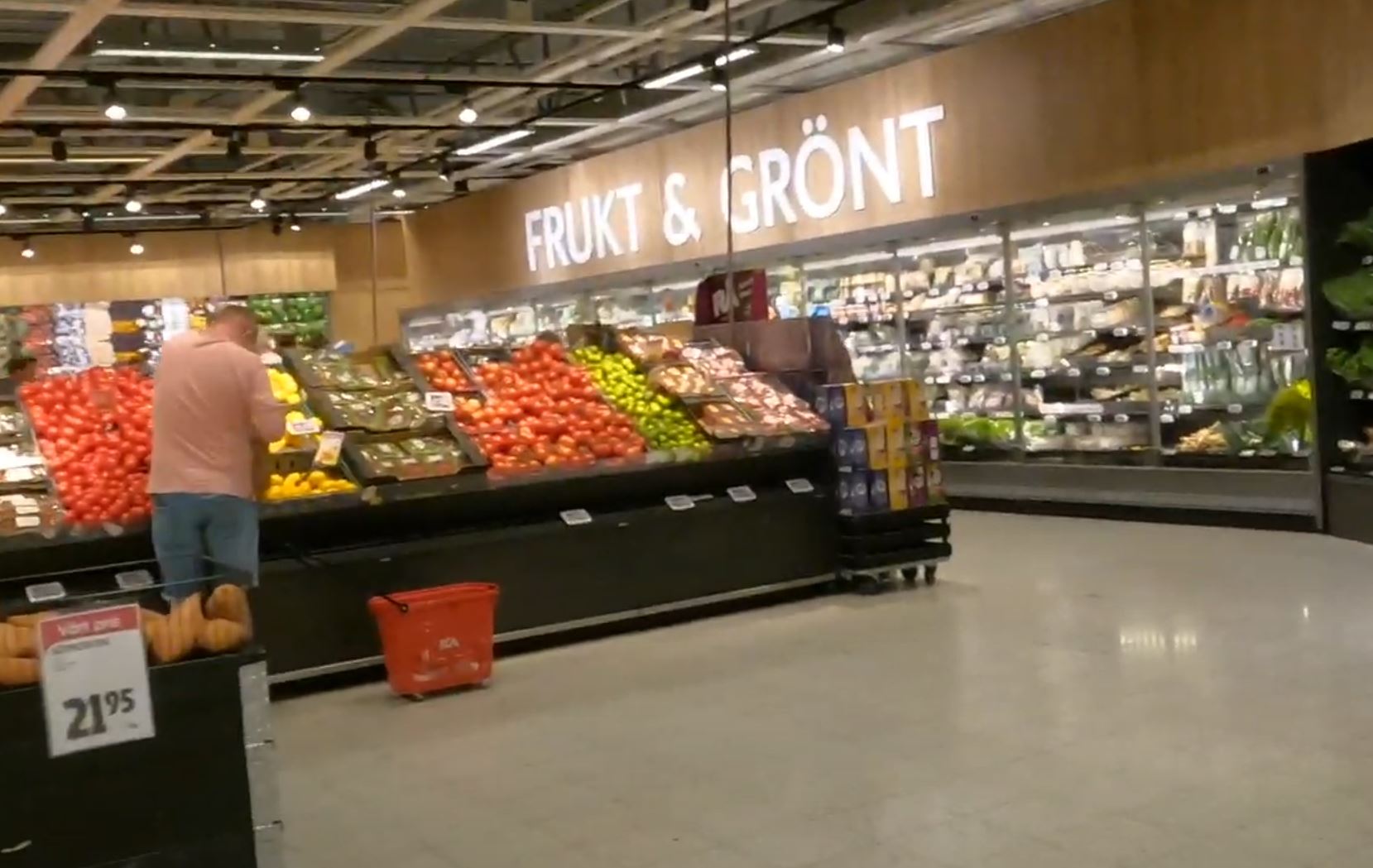
Why These Foods Matter: Key Insights from 2024-2025 Research
- Flavonoid Power: A 2024 UK study involving 121,000 adults found that consuming 6 servings of flavonoid-rich foods (e.g., berries, peppers, tea, citrus) daily reduced dementia risk by 28% over 9 years. This effect was strongest among individuals with high blood pressure or a genetic predisposition to dementia.
- MIND Diet vs. Mediterranean Diet: Research shows that the MIND diet—a hybrid of the Mediterranean and DASH (Dietary Approaches to Stop Hypertension) diets—led to a 53% reduction in Alzheimer’s risk among high adherers. Even moderate adherence resulted in a 35% risk reduction.
- Swedish Data on Parkinson’s: Swedish research, including the 30-year Women’s Lifestyle & Health cohort, found that a Mediterranean-style diet in mid-life significantly lowered Parkinson’s risk after age 60. Similar food patterns have now been shown to slow cognitive aging.
A One-Day “Nordic-MIND” Sample Menu
- Breakfast: Steel-cut oats with blueberries and crushed walnuts + green tea
- Lunch: Salmon-and-white-bean salad on baby spinach; rye crispbread; water flavoured with lemon
- Snack: Apple + 1 square 70% dark chocolate
- Dinner: Lentil-root vegetable stew, side of kale sautéed in rapeseed oil, half-glass red wine (optional)
- Evening: Chamomile tea + a small handful of almonds
Reality Check: The Bigger Picture
No single food is a magic bullet. The key to reducing dementia risk lies in consistency. A diet rich in brain-healthy foods, combined with physical activity, quality sleep, social engagement, and blood-pressure management, can make a significant difference.
Remember, small changes add up. Start by adding one extra vegetable to your meals today, swap a processed snack for a handful of nuts, and gradually incorporate more brain-protective foods into your routine. Every step count in protecting your brain for the long term.
By following these simple, science-backed steps, you can take control of your cognitive health and reduce your risk of dementia, starting with your next meal.