
Norway and the UK are shifting from “close cooperation” to a de facto integration of their forces in the North Atlantic and High North. This new phase, focusing on anti-submarine warfare (ASW) and seabed infrastructure protection, signals a deeper bilateral relationship and strengthens NATO’s deterrence posture against Russian aggression. The pact also tightens control over the GIUK–Barents gateway, further restricting Russia’s access to the North Atlantic.
Key Aspects of the Norway-UK Pact
- Combined ASW Force: The UK and Norway will jointly operate a fleet of at least 13 warships—eight British and at least five Norwegian—focused on countering Russian submarine activity and safeguarding critical seabed infrastructure. These assets will cover undersea cables and pipelines between Greenland, Iceland, the UK, and the Norwegian Sea.
- Enhanced British Presence in Norway: The agreement includes increased deployment of British Royal Marines to Norway and the pre-positioning of UK equipment and ammunition. This setup will enable rapid reinforcement and deeper integration of UK forces into Norwegian territory.
- Collaboration on Unmanned Systems: Both nations will enhance cooperation on drones and autonomous systems for maritime surveillance. The UK will also participate in Norwegian “mothership” concepts for unmanned mine hunting and undersea warfare, expanding technological and operational integration.
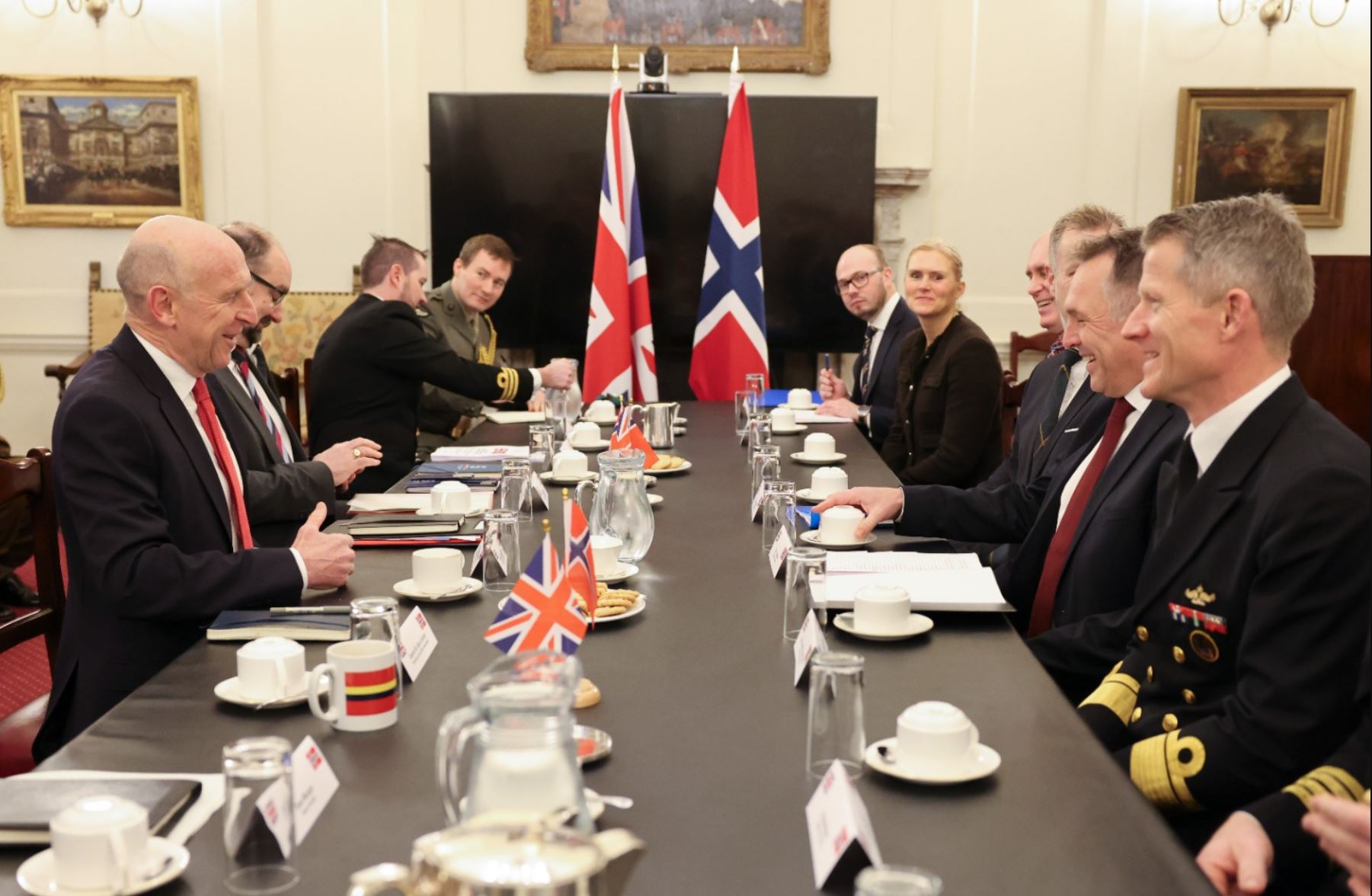
/ Norwegian MoD
Why This Agreement is Historic
- First-of-Its-Kind Agreement: The UK government has described the deal as a “first of its kind,” primarily due to its focus on integrating UK and Norwegian Type 26 frigates into a unified ASW fleet. This collaboration is tied to a £10 billion frigate deal and long-term industrial cooperation, which moves beyond NATO’s traditional task groups.
- Norway’s Deepest Bilateral Defence Pact: For Norway, this is the most far-reaching defence agreement with a European partner in recent history. It strengthens NATO’s framework but also surpasses it in scope, particularly in terms of UK-Norway cooperation on maritime patrol aircraft and intelligence sharing.
Strategic Context in the North Atlantic
The GIUK Gap and Norwegian Sea represent NATO’s most critical chokepoint for Russian Northern Fleet submarines attempting to access the North Atlantic. UK officials report a 30% increase in Russian naval activity near UK waters in just two years. In this context, the protection of undersea cables and energy infrastructure has become a priority, with recent incidents raising concerns over Russian surveillance of seabed networks. The joint UK-Norway efforts are an important escalation of deterrence, protecting vital infrastructure while sending a strong signal to Russia.
Implications for Nordic-Baltic Security
The pact is closely linked to broader efforts to enhance regional security in the Nordic-Baltic region. NATO’s integration of Sweden and Finland and Norway’s collaboration with the UK strengthens overall regional deterrence. The UK-Norway naval partnership also enhances NATO’s maritime defence strategy by creating a seamless, unified defence arc stretching from the High North to the Danish Straits.
- For Sweden and Finland: The UK-Norway cooperation complements the Nordic countries’ own strategic priorities, reinforcing deterrence against hybrid threats and enhancing coordination in the Baltic and North Atlantic.
What to Watch Moving Forward
- British Presence in Norway: One key aspect to watch is the extent of British pre-positioning on Norwegian soil, particularly given Norway’s traditional policy of limiting foreign military bases. This arrangement could evolve into something akin to the US pre-positioning strategy.
- Expanding Multinational Cooperation: There is potential for this UK-Norway model to expand beyond bilateral cooperation, possibly linking with other multinational naval initiatives in the North Atlantic and Arctic. The response of Russian submarine operations and seabed activities will also be a key area of focus.
To conclude, the Norway-UK defence pact marks a significant step in strengthening security in the North Atlantic and High North. By integrating military forces and focusing on critical infrastructure protection, this agreement not only deepens the bilateral relationship between the two countries but also serves as a strategic message to Russia. As NATO’s deterrence capabilities evolve in the region, the continued expansion of cooperation between the UK, Norway, and their Nordic and Baltic allies will be crucial in safeguarding maritime security and resilience.
The Nordic Business Journal is committed to accuracy and fairness. If you believe our reporting is flawed or misleading, please contact us at info@Nordicbusinessjournal.com.