
Equinor’s recent oil and gas finds at Lofn and Langemann in 2025 are part of a growing trend on the Norwegian Continental Shelf (NCS). These discoveries, like others made this year, share a common recipe: sizable volumes, tie-backs to existing infrastructure, and fast payback periods. A closer look at the discoveries in the past year reveals three significant finds that follow a “Sleipner-style” profile—an approach focused on efficiency and leveraging existing infrastructure.
Key Discoveries of 2025
Omega Alfa (Oil, North Sea – Yggdrasil Area)
- Size: 96–134 million barrels of oil equivalent (boe) recoverable, marking the largest oil discovery in Norway since 2015.
- Ownership: Aker BP holds 38-48% across three licenses, with Equinor as a partner.
- Infrastructure Play: Located 15 km from the Alvheim FPSO, the development will tie back to the existing facility through new subsea templates. First oil is targeted before 2030.
- Status: Appraisal was completed in August 2025, with concept selection currently underway.
Kjøttkake (Oil & Gas, Northern North Sea – Troll-Gjøa Corridor)
- Size: 39–75 million boe recoverable.
- Ownership: Aker BP holds 45% after assuming operatorship from DNO in November 2025.
- Infrastructure Play: A 12 km pipeline will tie back to the Gjøa platform, with a fast-track development plan already in place.
- Timeline: Final investment decision (FID) is expected by 2026, with first oil anticipated by 2028—one of the quickest FID-to-start-up schedules on the NCS.
Verdande (Oil with Associated Gas, Norwegian Sea – Tied to Norne FPSO)
- Size: Small-to-medium reserves (exact figures not disclosed), comprising the 2017 Cape Vulture and 2020 Alve Nord East discoveries.
- Ownership: Operated by Equinor.
- Infrastructure Play: Three subsea wells will be tied back to the Norne FPSO via a 28 km flowline. Production is expected to start in December 2025, just 32 months after the investment decision.
- Strategic Fit: This development aligns with Equinor’s “factory” approach, aiming to slot six subsea tie-backs onto the Norne FPSO to maintain full capacity and extend field life to 2035 and beyond.
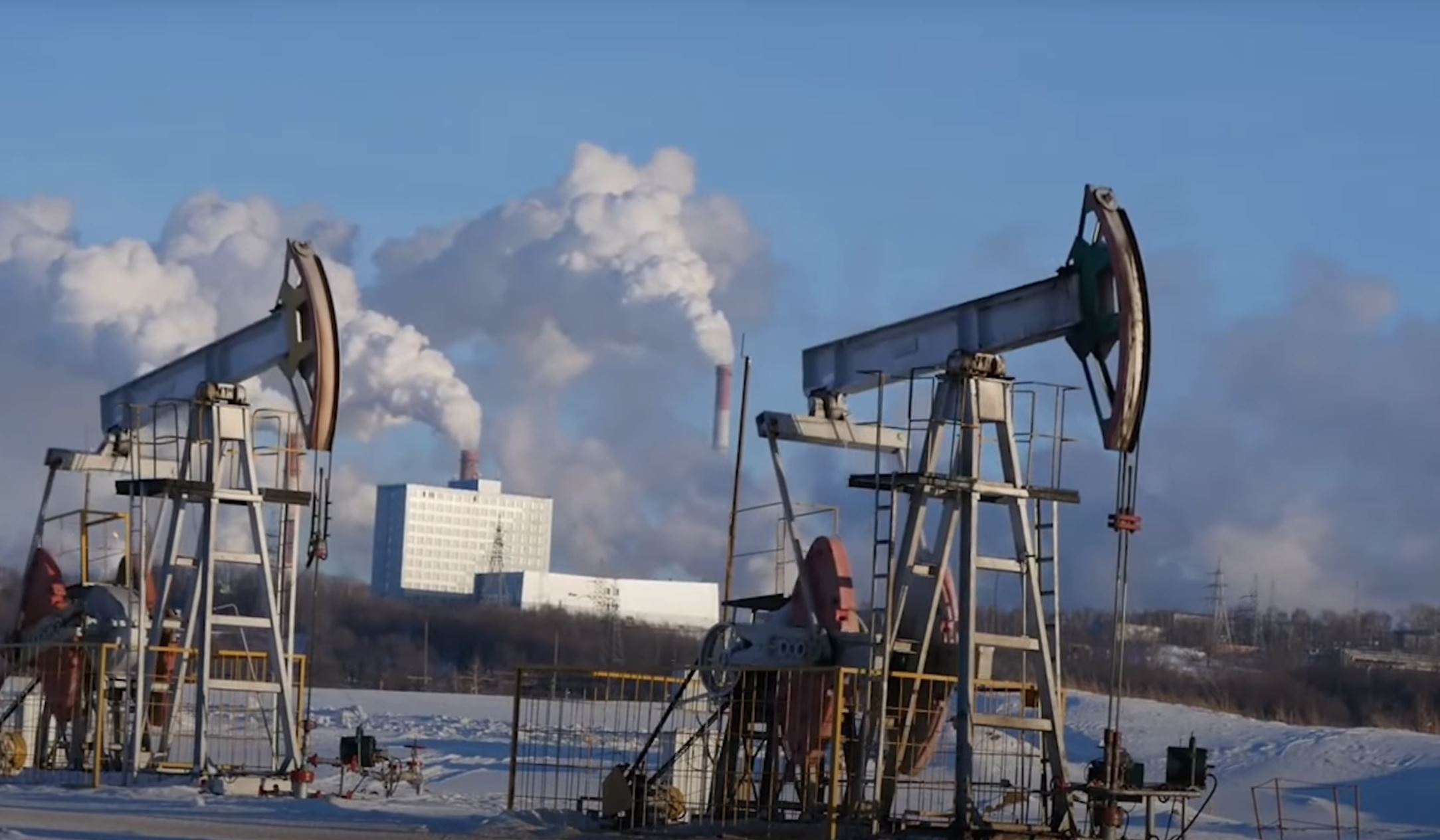
Common Themes Across 2025 Discoveries
These discoveries share several key attributes, which reflect a strategic shift in the development of the NCS:
| Theme | How the 2025 Discoveries Align |
| Hub Mindset | All discoveries are located within 30 km of existing host platforms or FPSOs. |
| Low-Carbon Barrels | Reuse of existing infrastructure, power-from-shore, or electrified hosts ensures CO₂ intensity remains under 7 kg/boe. |
| Capital-Light | Tie-back developments are 50–70% cheaper than standalone projects, with payback periods of less than five years at oil prices of $70–80 per barrel. |
| License-Round Origins | All three licenses (PL1140 for Lofn/Langemann, PL1164 for Omega Alfa, PL1182S for Kjøttkake) were awarded in the 2020-2022 APA rounds, proving that near-field exploration continues to yield significant finds. |
Strategic Implications: A Transformative Year for the Norwegian Shelf
The year 2025 marks a pivotal moment for the Norwegian oil and gas sector. With discoveries like Lofn, Langemann, Omega Alfa, Kjøttkake, and Verdande, the NCS is solidifying its role as a reliable source of energy for Europe, while minimizing costs and environmental impact. These developments are designed to maximize the use of existing infrastructure, keeping the gas grid and oil export lines operational without the hefty price tag of building entirely new hubs.
These “bite-size but material” finds represent a shift towards more efficient, capital-light strategies that prioritize fast development times and lower carbon footprints. As Equinor and its partners continue to leverage existing infrastructure, these discoveries reinforce the NCS’s resilience and long-term sustainability.
Conclusion: Lofn & Langemann—The Exclamation Mark on a Bigger Trend
Equinor’s twin discoveries at Lofn and Langemann may steal the spotlight, but they are only the latest in a series of strategic finds in 2025. These developments reflect a broader trend in the NCS toward cost-effective, low-carbon, and infrastructure-driven projects. As Europe’s energy needs evolve, the Norwegian shelf is proving to be a critical player in the continent’s energy security—without the need for expensive new hubs.
The trend is clear: the future of oil and gas on the NCS lies in smaller, smarter discoveries that make the most of existing infrastructure, keeping costs low, production timelines fast, and emissions manageable.
The Nordic Business Journal is committed to providing accurate and fair reporting. If you spot an error or misleading information, please email us at info@Nordicbusinessjournal.com