
Recent findings from the Swedish Association of Local Authorities and Regions (SKR) highlight a significant and ongoing shift in Sweden’s welfare workforce. Immigrant labour has become an essential pillar of the welfare system, particularly in elderly care, where the demand for skilled personnel is soaring. According to SKR’s latest report, the number of foreign-born employees working in municipalities and regions has surged over the past decade, underlining the growing reliance on immigrant labour to address Sweden’s demographic challenges and workforce shortages.
Immigrant Labour’s Expanding Presence
Over the last ten years, the proportion of foreign-born employees in Sweden’s municipal and regional sectors has experienced notable growth. Today, almost 300,000 individuals born outside Sweden are working in these areas, representing a significant portion of the workforce. Specifically, the number of foreign-born monthly salaried employees in municipalities increased from 13% in 2014 to 22% in 2024. Similarly, in regions, this proportion grew from 14% to 20% during the same period.
Bodil Umegård, head of SKR’s Data and Analysis section, emphasized the growing importance of foreign-born workers in meeting the increasing demand for skilled labour in welfare services, particularly in elderly care. Many of these workers, Umegård notes, have arrived in Sweden within the past decade, making immigrant labour a critical part of the solution to the nation’s skills shortage in welfare sectors.
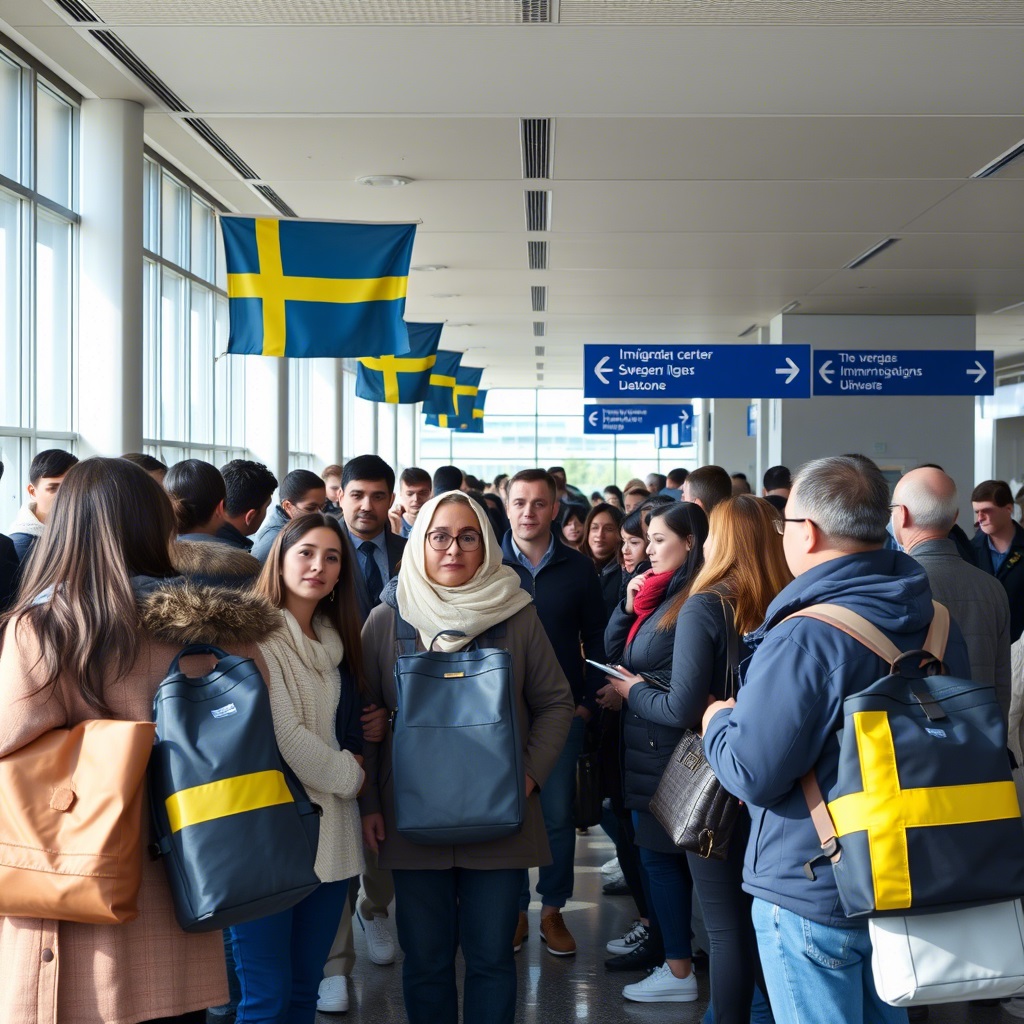
The Workforce Breakdown
Foreign-born workers are particularly dominant in healthcare and social care. More than half (53%) of all nursing assistants in Sweden were born outside the country, while 37% of nurses, 46% of dentists, and 37% of doctors with specialist qualifications also come from abroad. This underscores the vital role that immigrant labour plays in ensuring Sweden’s welfare system remains functional, especially in light of the country’s aging population.
Furthermore, foreign-born workers have become integral to filling the growing gaps in sectors where demand is high and supply is low, especially in care services. A deeper dive into the statistics shows that foreign-born care assistants have seen the most dramatic increase. The proportion of foreign-born care assistants has risen from just under 30% in 2018 to over 50% in 2024. Within municipalities, the share of foreign-born nurses has grown from 25% to 37%, while the figure for regional nurses has climbed from 19% to 28% over the same period.
The Demographic Challenge: A Future at Risk?
The report also highlights Sweden’s ongoing demographic challenges, which threaten the sustainability of the welfare system in the long term. While the number of people of working age (20-66) increased by 500,000 in the past decade, this growth was primarily driven by immigration. The number of individuals born in Sweden remained stagnant. This trend signals that, without continued immigration, Sweden’s welfare sector may face increasing difficulty in finding workers to meet demand, especially given the rising number of elderly citizens.
Umegård warns that Sweden’s more restrictive migration policies could exacerbate these challenges. If fewer immigrants are able to enter the country, the supply of skilled workers for the welfare system may be severely impacted, making it harder to recruit staff for vital services such as elderly care and healthcare.
The Rising Share of Foreign-Born Students
Despite the potential challenges posed by demographic trends and migration policies, SKR’s findings also reveal a positive trend among young foreign-born individuals pursuing education in healthcare-related fields. Over the past decade, the proportion of foreign-born students in nursing programs has increased from 10% to 28%. In the dental program, this figure has surged from 20% to 57%. These statistics suggest that young immigrants are increasingly interested in pursuing careers in healthcare and social services, contributing to the replenishment of the workforce in the coming years.
Umegård explains that the foreign-born group is more open to working in welfare sectors compared to their Swedish-born counterparts. This willingness to work in healthcare, especially among younger immigrants, is vital to maintaining a sustainable workforce, as the demand for services continues to grow.
A Call for Policy Consideration
As Sweden faces mounting demographic challenges, the country’s welfare system will increasingly rely on immigrant labour to meet the needs of its population. SKR’s report urges policymakers to recognize the crucial role that immigrants play in the welfare sector and to develop strategies that support their integration and retention within the workforce.
This may include policies that promote the continued influx of skilled immigrants, better integration programs, and support for foreign-born individuals pursuing education and careers in the welfare sector. At the same time, there must be a focus on ensuring that these workers are supported through fair wages, opportunities for career advancement, and inclusive working environments.
Conclusion
The SKR report paints a clear picture: immigrant labour is essential for the future of Sweden’s welfare system, particularly in healthcare and elderly care. With Sweden’s changing demographics and the increasing reliance on foreign-born workers, it is crucial that the country adopts policies that ensure the continued supply of skilled labour for these sectors. The growing number of foreign-born workers entering healthcare and other welfare roles is a positive development, but it also underscores the need for continued openness to immigration to safeguard the welfare system for future generations.
This insight not only paints a comprehensive picture of the current state of Sweden’s welfare workforce but also signals the need for forward-thinking policy decisions that address the ongoing demographic challenges while maintaining the high standards of care that Sweden is known for.