
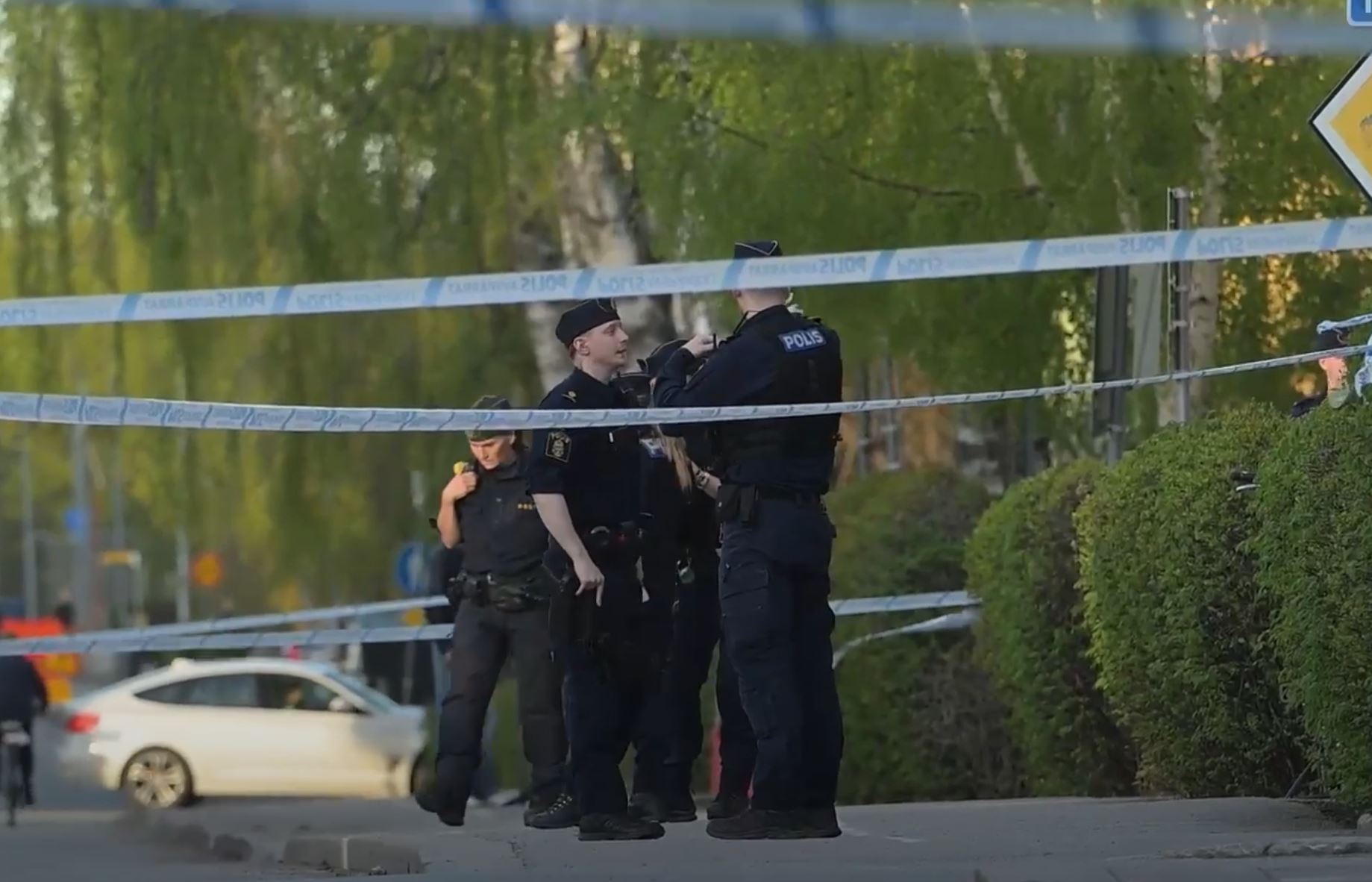
Swedish authorities in Region Syd have reported a significant rise in youth involvement in planned violent acts, with around 20 serious incidents, including bombings and shootings, prevented in November. These acts were allegedly orchestrated by criminal networks who have increasingly turned to children aged 13-17 as recruits. While media and political discussions have labelled them “child soldiers,” this term is not legally recognised in Sweden and is primarily used to describe the exploitation of minors in criminal activities.
The Nature of the Threats: “Crime as a Service”
Police attribute the growing trend to the concept of “crime as a service,” wherein criminal organisations recruit minors to carry out dangerous tasks, such as shootings or bombings, in exchange for money, status, or under threats to their safety and that of their families. The recruitment of youths by these gangs has become a pressing issue, especially as the age of involvement in serious crimes continues to drop.
According to police, the interventions that prevented these violent acts were largely thanks to early tips from concerned parents and community members. Many of these tips came from noticing sudden behavioural shifts in children, such as changes in social circles, possession of expensive items, or disturbing digital communications. The vigilance of the public, especially parents, has been critical in stopping potential violence before it could escalate.
“Child Soldiers”: A Rhetorical Term, Not a Legal Classification
The term “child soldiers” has gained prominence in media and political rhetoric, but it is not part of Swedish legal terminology. International law typically reserves the term for minors involved in armed conflicts with non-state armed groups or regular military forces. In Sweden, the issue at hand is domestic gang violence, where the exploitation of minors is seen as a form of manipulation, often due to threats or promises of belonging.
The comparison to armed conflicts lies in the fact that gangs are preying on minors’ vulnerability—exploiting their lower age of criminal responsibility to avoid prosecution. The Swedish government has acknowledged the rise in youth involvement in violent crimes, particularly among those as young as 13-14. In response, reforms are underway to address youth custody and preventative measures, targeting the root causes of youth crime.
Who Are the Recruited Youths?
While many believe that the most serious crimes are primarily committed by youths in institutional care (SiS and HVB homes), the police report highlights a worrying shift. An increasing number of these young perpetrators are living at home and may not have prior interactions with social services or other authorities. This makes their recruitment by gangs, often through schools, local networks, gaming platforms, and social media, harder to detect.
Research from Brå (the Swedish National Council for Crime Prevention) reveals a concerning trend: the number of serious crimes involving children under 15 has doubled over the past decade. The causes behind this rise are complex, with many of these youths already facing issues such as family problems, school struggles, neuropsychiatric conditions, and aggression. However, Brå notes that changes in police registration methods and an increase in reporting also account for some of the rise in statistics, suggesting that the overall trend is not necessarily indicative of an intrinsic surge in violence.
Prevented Acts: A Step Towards Prevention, Not a Final Solution
The police have not provided a detailed case-by-case breakdown of the 20 planned violent acts, but the term “prevented” indicates that these were active threats with a real risk of escalation. In some cases, these plans involved the preparation of weapons or explosives, or youths were already scouting targets. The police responded by seizing weapons, detaining individuals, and escalating cases into social services or child-focused investigations.
It is important to note that these were not “solved crimes,” but rather successful interventions that prevented violent acts before they could be carried out. The goal of this communication is to highlight the scale of the problem and demonstrate that early intervention, based on tips from concerned citizens, can prevent killings and bombings.
A Disturbing Trend: The Evolving Nature of Youth Violence
What makes this situation particularly disturbing is the growing involvement of young people in extremely violent activities, such as murder and bombings, as part of what is effectively a service job for criminal networks. A significant portion of these youths appear to be leading “normal” lives at home, challenging traditional risk profiles that typically involve institutionalized or long-term offenders.
What to Watch Moving Forward
For deeper analysis and follow-up on this issue, several key areas deserve attention:
- The Structure of “Crime as a Service”: An investigation into how gangs structure their operations, including payment systems, the role of intermediaries, and digital recruitment strategies.
- The Relationship Between Youth Crime and Government Reforms: How Brå’s data on serious crimes among children and the government’s new youth custody reforms are influencing the narrative about young perpetrators.
- The Impact of “Child Soldier” Rhetoric: Whether framing minors as “child soldiers” will lead to more preventive resources and family-oriented support, or if it will primarily shift the conversation towards punitive measures for minors.
This situation represents a significant challenge for both Swedish society and law enforcement. As the issue of youth involvement in serious violence continues to evolve, it will be crucial to balance effective prevention with a nuanced understanding of the complexities surrounding youth crime and gang exploitation.