
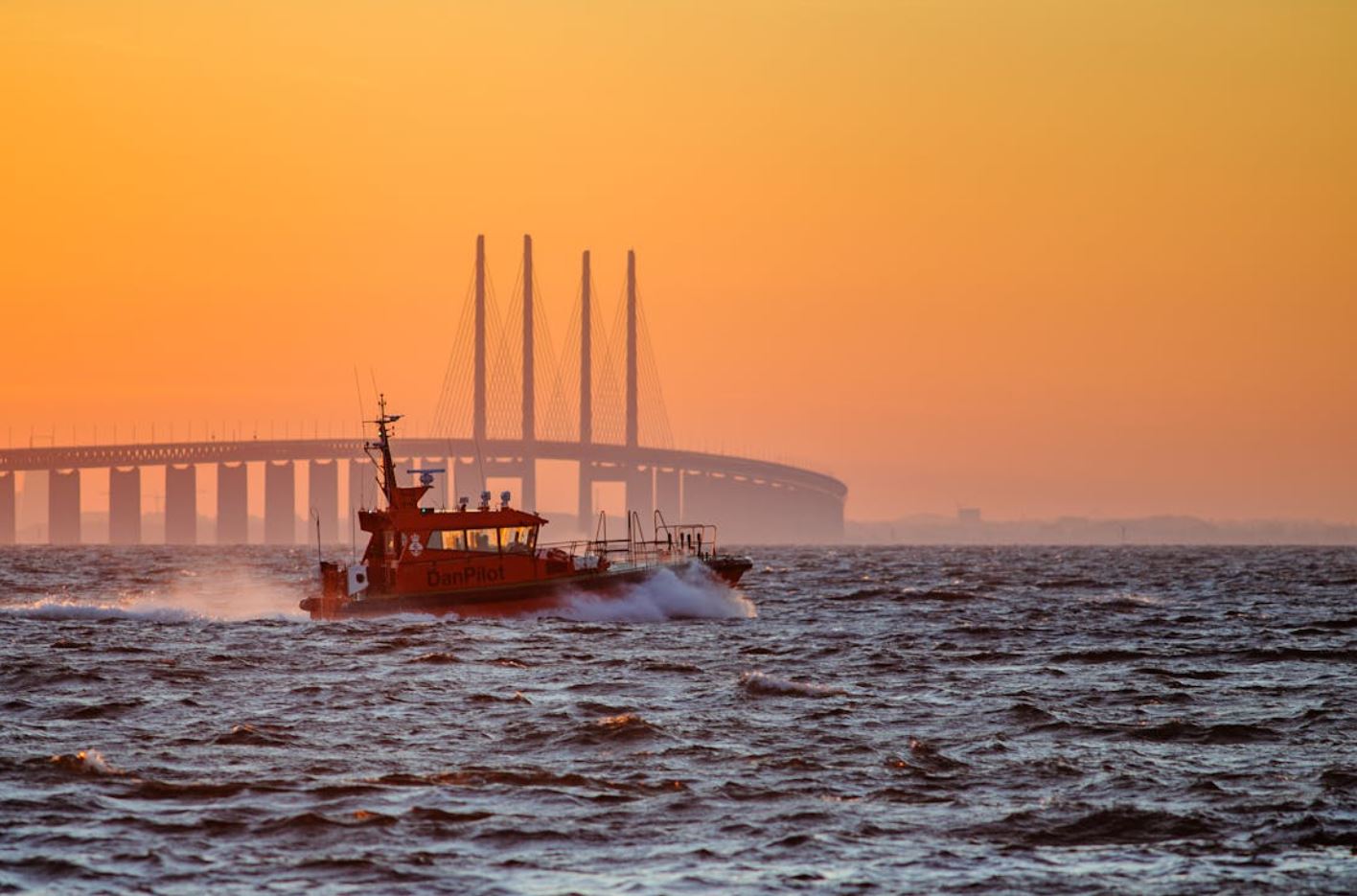
This summer, the Øresund Bridge marked its 25th anniversary—not just with fanfare, but with a milestone that underscores its growing strategic importance: record-breaking traffic volumes. As of early December 2025, the bridge had already surpassed the previous annual passenger record of 7.5 million set in 2024. With projections pointing to nearly 8 million crossings by year-end, the Øresund link has cemented its status as more than just an engineering marvel—it’s a linchpin of cross-border economic and social integration between Sweden and Denmark.
A Bridge Beyond Infrastructure
When the Øresund Bridge opened in July 2000, its ambition was bold: to bind Malmö and Copenhagen into a unified metropolitan region. A quarter-century later, that vision is not only realised—it’s expanding. According to Linus Eriksson, CEO of Øresundbron (the bridge’s operating company), the surge in traffic reflects deeper structural shifts.
“Malmö set a new record for guest nights this summer,” Eriksson notes. “Meanwhile, Copenhagen Airport—like the bridge—has seen consistent record-breaking activity. The Øresund region isn’t just recovering post-pandemic; it’s flourishing.”
Indeed, the numbers tell a compelling story. Cross-border commuting remains robust, bolstered by dual labour markets, integrated public transport, and housing dynamics that see Swedes working in Copenhagen and Danes residing affordably in Malmö. But it’s not just daily commuters. Leisure travel has surged, driven by heightened Nordic tourism and easier access for international visitors exploring Scandinavia. Notably, the “Nordic travel boom”—propelled by global interest in sustainability, design, and nature—has positioned the greater Copenhagen–Malmö corridor as a gateway to the North.
Economic Impact and Regional Potential
The bridge’s growing traffic isn’t merely symbolic—it has tangible economic consequences. A 2024 OECD report on cross-border regions highlighted the Øresund as one of Europe’s most successful examples of functional integration, with the bi-national labour market contributing an estimated €15 billion annually to the regional GDP.
Moreover, foreign direct investment (FDI) into both Malmö and Copenhagen has increasingly targeted the corridor as a unified logistics and innovation hub. Major tech firms, green energy startups, and life science clusters are leveraging the region’s combined talent pool and infrastructure—including seamless transport like the Øresund Bridge—to scale operations efficiently across Nordic markets.
And the potential remains untapped. With Sweden’s recent accession to NATO and both nations deepening energy and defence cooperation, the Øresund region is emerging as a geopolitical and economic nexus not just for the Nordics, but for the broader Baltic and European landscape.
Looking Ahead: Challenges and Opportunities
Despite its success, the bridge’s operators face looming challenges. Congestion during peak hours, environmental sustainability, and aging infrastructure require proactive investment. Moreover, as digital nomadism and hybrid work reshape commuting patterns, traffic forecasting must adapt.
Yet these challenges come with strategic opportunities. Plans for expanded electric vehicle charging infrastructure, smart tolling systems, and potential rail capacity upgrades could future-proof the crossing—ensuring it remains a model of efficient, green cross-border mobility.
What’s Next?
In our upcoming feature, we’ll explore how the Øresund region is becoming a testing ground for the EU’s “Green Corridors” initiative—balancing economic growth with climate resilience. We’ll also analyse proposed transport expansions, including the long-discussed Fehmarn Belt Fixed Link, and what it means for the Øresund’s role in the Nordic transport network.
Stay Connected
Have insights on cross-border Nordic business, infrastructure, or regional policy? We’d love to hear from you. Reach out to our editorial team at insights@nordicbusinessjournal.com or connect with us on LinkedIn for ongoing analysis and exclusive briefings.
— Nordic Business Journal: Connecting Commerce Across the North