
As the world continues to grapple with the complexities of energy transition, Sweden is experiencing a paradox. While much of the discourse revolves around the electrification of society, Sweden’s electricity consumption continues to decline, defying expectations and signalling a shift in the country’s energy landscape.
In contrast, neighbouring Denmark finds itself in uncharted waters. According to new data from Energinet, the national transmission system operator, Denmark’s electricity consumption is expected to reach an all-time high in 2025, surpassing 39,500 gigawatt hours (GWh). This represents a nearly 5% increase over the previous year, underscoring the growing demand for electricity driven by both electrification and population growth.
However, Sweden’s situation is markedly different. Despite ongoing discussions about society’s increasing dependence on electricity, Swedish consumption continues on a downward trajectory. The reasons behind this decline are complex but are tied to several key factors, including energy efficiency measures, the electrification of industry, and a slower-than-anticipated growth in the adoption of electric vehicles.
A Snapshot of 2024: Record Low Prices and Energy Mix
Sweden’s energy market in 2024 saw some notable shifts. Hydropower remained the dominant source of electricity, contributing a significant 41% of total electricity production—up from 38% in 2024. This surge in hydropower was driven by well-filled water reservoirs, which led to unusually low electricity prices in the northern parts of the country during the summer months. In June, the lack of transmission capacity from north to south meant that electricity prices plummeted in Norrland, where prices reached historic lows.
“Limited transmission capacity from north to south meant that power was locked into northern Sweden, resulting in record low prices,” says Magnus Thorstensson, an energy analyst at Energy Companies. This situation, while beneficial for consumers in the north, highlighted the ongoing challenges of the Swedish electricity grid, particularly in terms of its capacity to distribute power evenly across the country.
In contrast, residents of southern Sweden (Svealand and Götaland) faced a different reality. They saw a price increase of up to 25% compared to 2024, mainly due to the high demand for electricity and the constraints in transmission capacity. The overall result was a mixed energy experience for Swedish consumers, with some benefiting from lower prices in the north, while others faced higher costs in the south.
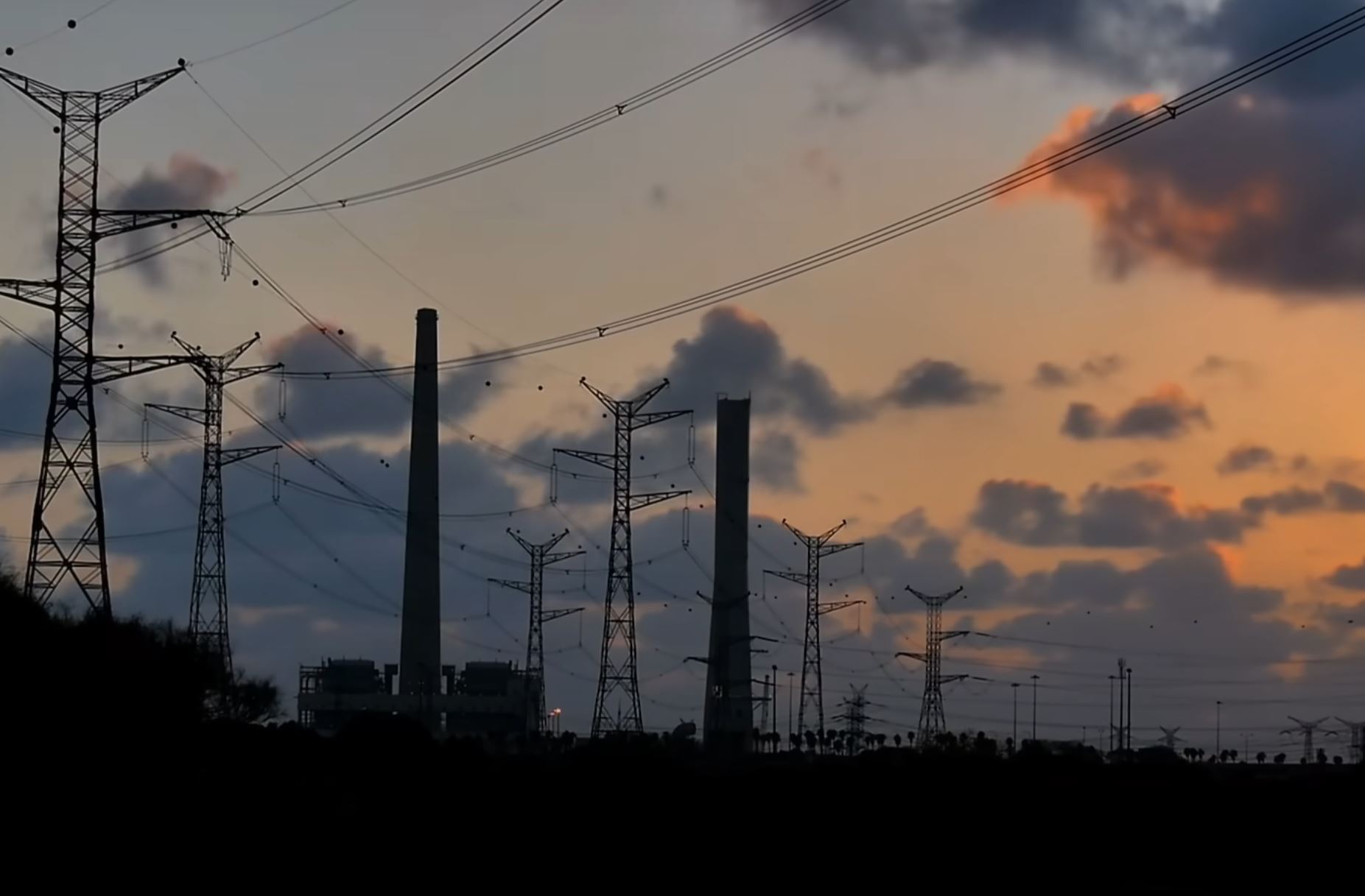
The Changing Energy Mix: Hydropower Dominance, Nuclear Struggles
Sweden’s energy mix continues to evolve. While hydropower’s share of the energy production mix increased, solar power set new records, continuing its upward trajectory. Solar power is becoming an increasingly significant part of Sweden’s energy future, contributing 3% of the national electricity production in 2024, up from just 2% the previous year. However, other sources of power faced challenges.
Nuclear power, which traditionally plays a significant role in Sweden’s energy landscape, had a difficult year. The Oskarshamn plant, one of Sweden’s key nuclear power stations, was shut down for over six months, which contributed to a decrease in overall nuclear production. This highlights the vulnerability of nuclear power generation, particularly when older plants face operational challenges or prolonged maintenance shutdowns.
Wind power also underperformed in 2024. After a record year in 2023, wind turbines produced less electricity in 2024, likely due to less favourable weather conditions and a slower pace of new installations.
Despite these setbacks, Sweden’s overall electricity production decreased only slightly, with exports remaining robust. In fact, electricity exports outpaced imports, which were at record lows. This could partly explain the decrease in domestic consumption—Swedes are using less electricity, while the country is exporting more to neighbouring nations. This shift also suggests that Sweden’s energy efficiency programs are having an impact, reducing demand for electricity even as the broader electrification of society continues.
A Look Ahead: What’s Driving the Decline?
The decline in Swedish electricity consumption, despite the increasing electrification of society, raises interesting questions. The fact that electricity consumption is down by 1% year-over-year, even when factoring in weather patterns, suggests that Sweden is becoming more energy-efficient. Industrial upgrades, building insulation, and the growing use of smart energy systems may be helping to curb electricity demand.
Furthermore, the increased adoption of electric vehicles (EVs) has not yet reached the levels that some anticipated, possibly due to a combination of factors including higher upfront costs, lack of charging infrastructure in certain areas, and consumer hesitancy. This trend points to the challenges that come with transforming Sweden’s energy landscape, as even a national shift toward electric transportation may take longer than expected.
Facts: Power Types’ Share of Electricity Production
- Hydropower: 41% (up from 38% in 2024)
- Nuclear power: 26% (down from 29%)
- Wind power: 23% (down from 24%)
- Thermal power: 7% (unchanged)
- Solar power: 3% (up from 2%)
Source: Energy Companies, Swedish Power Grid, Statistics Sweden
Future Outlook: What’s Next for Sweden’s Energy Sector?
Looking ahead, Sweden’s energy landscape is at a crossroads. While the country continues to innovate in renewable energy, especially with hydropower and solar, it faces ongoing challenges with nuclear and wind production. The current focus on energy efficiency and reducing domestic consumption could shape Sweden’s energy future for years to come.
For the next article, we will delve into the long-term trends and challenges Sweden faces in terms of energy storage, transmission infrastructure, and the role of emerging technologies like green hydrogen in shaping the country’s energy future. We will also explore the role of the Swedish government in supporting sustainable energy transitions and what policies are necessary to secure a future of energy resilience.
Stay connected with us to keep up-to-date with the latest trends and insights on the energy sector.