
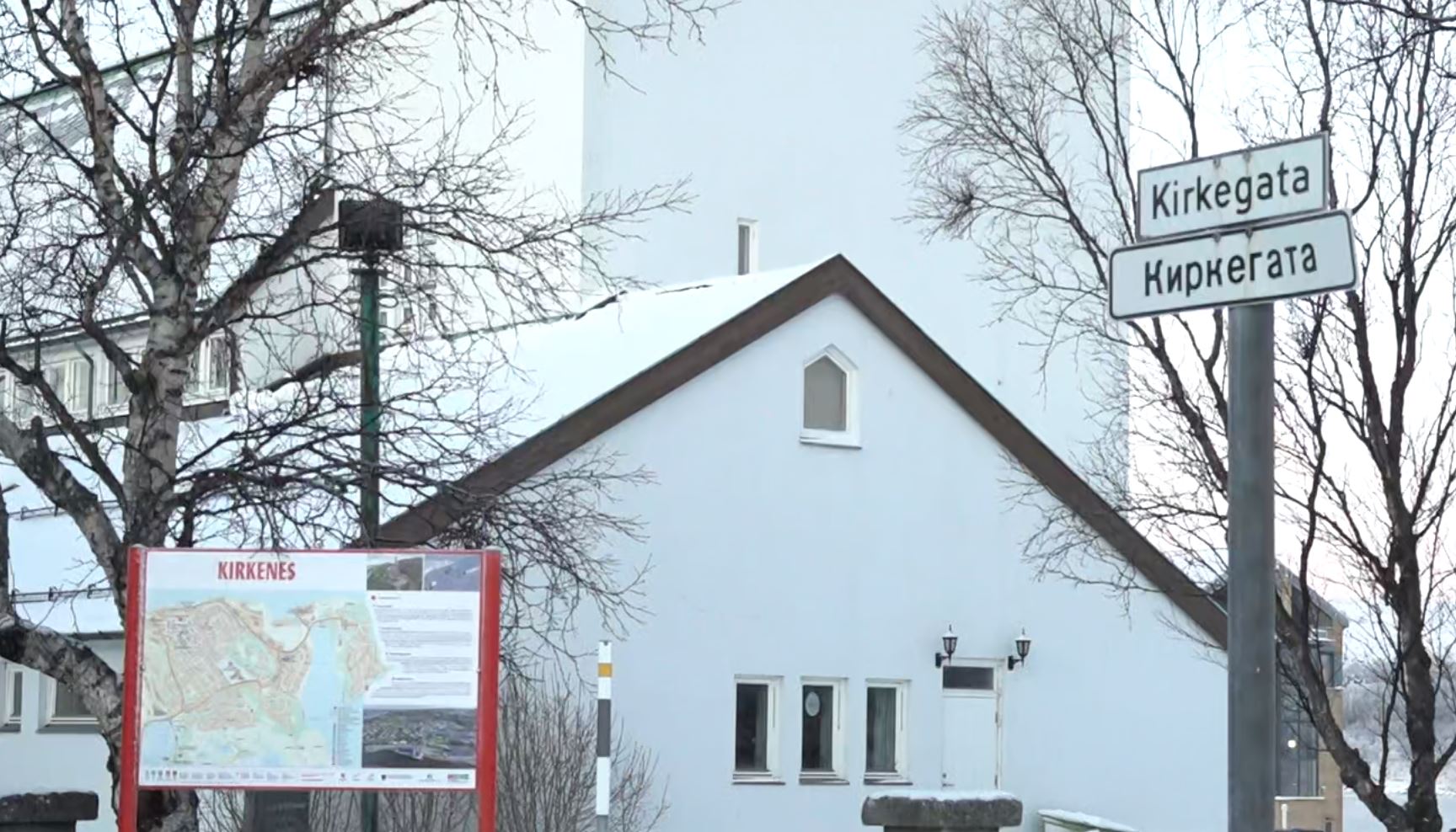
For over three decades, Kirkenes—a quiet town of 3,500 residents nestled in Norway’s northeastern most corner—thrived on its proximity to Russia. Bilateral trade, cross-border friendships, and a steady flow of Russian visitors turned this Arctic outpost into a symbol of peaceful Nordic-Russian cooperation under the Barents Framework established in 1993. Today, however, the town stands at a historic crossroads.
Following Russia’s full-scale invasion of Ukraine on February 24, 2022, Norway—alongside its Nordic and EU partners—imposed sweeping sanctions and closed its only land border crossing at Storskog. Almost four years on, the economic and cultural aftershocks continue to ripple through Sør-Varanger municipality.
“We’re grieving,” admits Magnus Mæland (H), municipal councillor for Sør-Varanger. “But it’s a necessary grief. Turning away from the east is painful, but looking west—toward Europe, innovation, and resilience—is where our future lies.”
From Border Boom to Economic Silence
Before 2022, cross-border commerce powered Kirkenes’ economy. Russian shoppers flooded local stores, spending an estimated 600 million NOK annually. Shipyards hummed with activity, servicing Russian fishing fleets—a sector so central to the town’s identity that its sudden collapse left deep scars.
“Several shops have shuttered,” says Kristian Larsson, a Swedish tour bus operator from Norrköping who regularly brings visitors to the region. “The boatyards are gone. Locals are genuinely thrilled now when tourists show up—it’s that quiet.”
Adding to the rupture was a startling revelation: Russian fishing vessels operating in Norwegian waters were found to be involved in espionage activities. In response, Norwegian authorities banned all servicing of Russian vessels in 2023—a move that accelerated Kirkenes’ economic pivot away from Moscow.
Strategic Reorientation: Tourism, Aquaculture, and Arctic Innovation
Yet amid the loss, transformation is underway. The municipality has launched an aggressive economic diversification strategy, leveraging Kirkenes’ unique geography and Arctic appeal:
– Tourism is being rebranded around Arctic heritage, Sami culture, and geopolitical tourism—visitors now come not for Russian goods, but for the story of Europe’s northernmost border.
– The salmon farming industry has emerged as a new economic pillar, with investments from major Norwegian seafood firms and EU green-transition funds.
– Digital infrastructure and renewable energy projects—backed by Norway’s sovereign wealth fund and Nordic development banks—are turning Kirkenes into a testbed for Arctic sustainability.
“We’re not just replacing lost revenue,” Mæland emphasizes. “We’re building something more resilient, more sovereign, and more aligned with our democratic values.”
Broader Nordic Implications
Kirkenes’ experience offers a microcosm of the Nordic region’s strategic recalibration in the post-2022 security landscape. Finland and Sweden have joined NATO, cross-border cooperation with Russia has frozen across the Barents Region, and supply chains once reliant on Russian inputs are being rewired through the Baltic and North Sea corridors.
Critically, Kirkenes’ pivot mirrors a larger trend: economic decoupling is no longer just a policy choice—it’s a security imperative. For Nordic municipalities once dependent on Russian trade, the lesson is clear: diversification isn’t optional; it’s existential.
As of early 2026, Norway maintains strict border controls, with no indication of reopening to Russian civilian traffic. Meanwhile, the EU’s 14th sanctions package (adopted December 2025) further restricts Arctic-related cooperation with Russian entities, cementing Kirkenes’ westward turn.
Yet challenges remain. Unemployment in Sør-Varanger is still 20% above the national average, and youth outmigration threatens long-term viability. The municipality’s success will depend on sustained public-private investment and integration into pan-Nordic Arctic economic zones.
What’s Next?
In our next feature, Nordic Business Journal will explore how other Arctic communities—from Tornio (Finland) to Murmansk’s former trade partners—are reinventing their economies in the wake of Nordic-Russia decoupling. We’ll also analyse the rise of the “Arctic Economic Corridor” linking northern Norway, Sweden, and Finland through green tech, critical minerals, and defence-adjacent industries.
Stay Connected
Have insights from your region or business on post-Russia economic transitions? We’d love to hear from you. Reach out at insights@nordicbusinessjournal.com or connect with us on LinkedIn. Together, we can map the Nordic North’s next chapter.
© 2026 Nordic Business Journal. All rights reserved.
Reporting from the frontlines of Nordic economic transformation.