
Norway joins Denmark to record its own highest-ever hourly electricity consumption on January 7, 2026. In it, 25,309 megawatt-hours (MWh)—a new national benchmark that eclipses the previous record set in January 2021 by 79 MWh, equivalent to the hourly usage of 3,000–4,000 average households.
This follows Denmark who also announced a very high electric consumption at the end of 2025.
The milestone, confirmed by Statnett—the Norwegian transmission system operator—was driven by a confluence of immediate weather pressures and deeper structural shifts in the country’s energy landscape. As temperatures plummeted across much of the country, electric heating systems surged into action. Simultaneously, electric vehicles (EVs) charged overnight, industrial facilities operated at capacity, and households began their morning routines—collectively placing unprecedented strain on the grid.
Beyond the Cold Snap: A Structural Surge in Demand
While the frigid weather certainly played a role, Peer Olav Østli, Executive Vice President for System Operations and Markets at Statnett, emphasised a more enduring trend: “We see that consumption will increase in the future… it is important that we utilise the network we have in parallel with building a new network.”
Indeed, Norway’s transition from fossil fuels to electrification—accelerated by national climate goals and EU-aligned green policies—is fundamentally reshaping energy demand. The electrification of transport (Norway now has the world’s highest EV adoption rate), industrial processes, and heating systems is not a temporary blip but a long-term structural shift. According to Statistics Norway, electricity now accounts for over 75% of final energy consumption in the residential and transport sectors—up from 58% a decade ago.
At the time of the record peak, domestic production stood at 26,978 MWh, slightly exceeding consumption—a testament to Norway’s robust hydropower infrastructure. Yet even this surplus offers limited comfort during sustained cold spells or dry winters when reservoir levels dip.
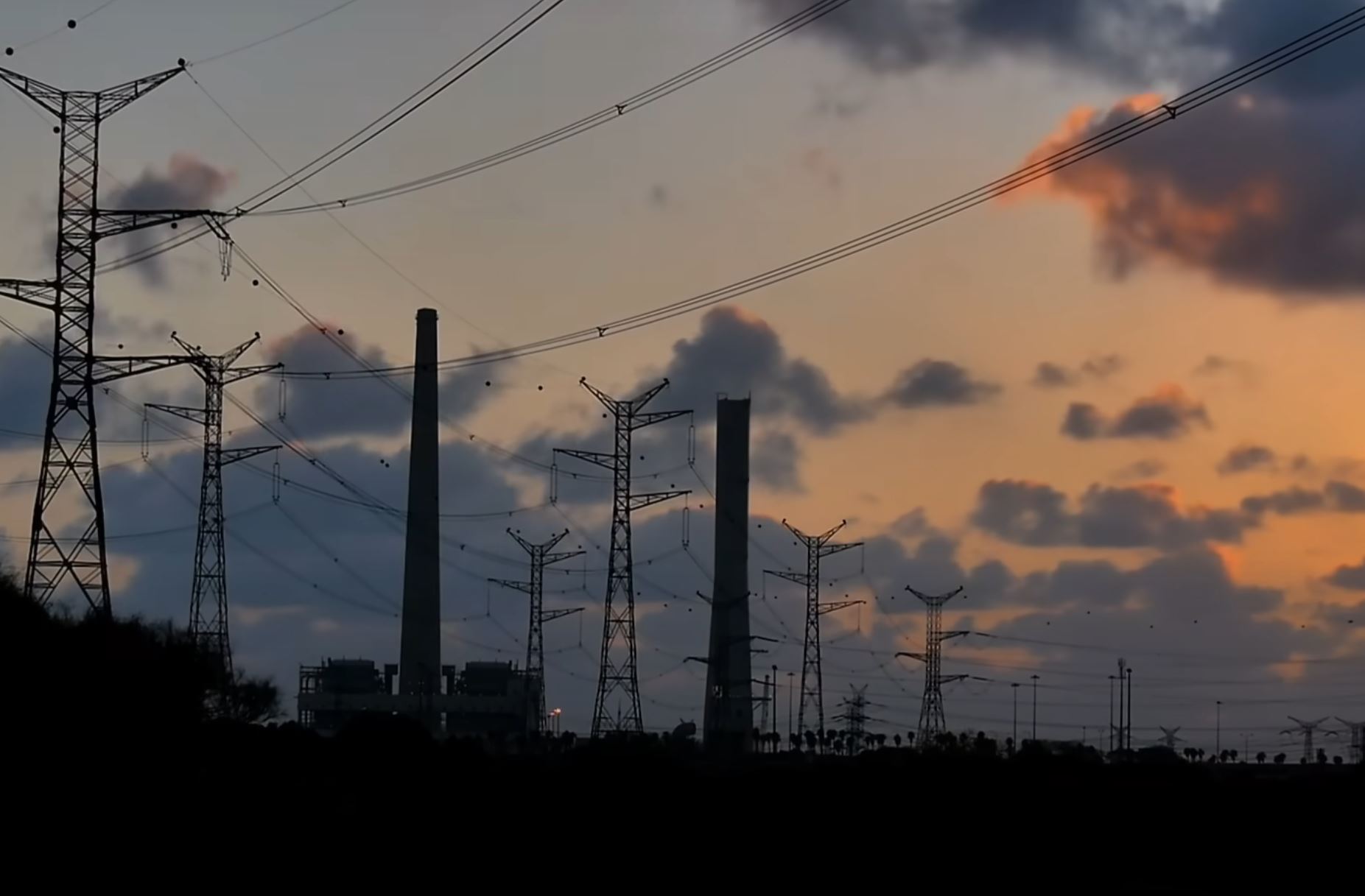
Why Your Electricity Bill Might Spike—Even If You Didn’t Notice
The record-setting hour carries tangible financial implications for consumers, particularly those on variable or spot-price contracts. While Norway’s grid remains among the greenest in the world, price dynamics are increasingly complex. Four key factors are shaping today’s electricity costs:
1. Marginal Pricing and “Button Play”
Electricity prices in the Nordic market are set hourly based on marginal cost. When demand hits peaks like 25,309 MWh, the system must activate the most expensive available generation—often gas-fired plants in continental Europe or older thermal units. This “last unit” sets the price for all, creating sharp intra-day spikes. Households with smart meters and spot-price agreements saw their morning bills jump accordingly.
2. Grid Tariffs Tied to Peak Demand
Norway’s grid rental model increasingly incorporates capacity-based pricing, where monthly bills reflect your highest instantaneous usage (kW), not just total consumption (kWh). Running an EV charger, heat pump, and oven simultaneously during a national peak could push a household into a higher tariff tier—locking in higher fixed costs for months. This “hidden cost” of electrification is becoming a growing concern for energy advisors.
3. European Price Contagion
Despite abundant domestic hydropower, Norway is deeply integrated into the European grid via interconnectors to Denmark, the UK, Germany, and the Netherlands. When cold, windless conditions grip Europe—as they did across much of the continent in early January 2026—Norway may need to import power at elevated prices. On January 7, for example, Southwest Norway’s spot price hit 1.78 NOK/kWh, while Northern Norway—rich in hydro and isolated from southern bottlenecks—paid just 0.47 NOK/kWh. This regional disparity underscores the fragility of “national” pricing in an interconnected market.
4. The “Norway Price” Subsidy: Lifeline or Liability?
To blunt volatility, the Norwegian government introduced the “Norsk Strømpris” (Norway Price) scheme in late 2022—a partial subsidy that caps average household spot prices. The government recently announced that the program saved consumers 1.6 billion NOK over the 2025 holiday season alone.
But controversy looms. The state has budgeted 9.1 billion NOK for the subsidy in 2026, assuming continued high spot prices and widespread enrolment. However, recent mild winters and falling European gas prices have reduced market volatility. Several energy economists, including those at the Fridtjof Nansen Institute, argue the estimate is overstated by 30–40%, potentially diverting funds from grid modernization or battery storage investments.
Strategic Implications for Business and Policy
For Nordic businesses—especially data centres, manufacturing, and EV infrastructure operators—the record highlights a critical challenge: managing demand-side flexibility. As Norway’s grid approaches physical and economic limits during peak hours, companies that can shift or curtail load (e.g., through smart charging, thermal storage, or demand-response contracts) will gain both cost and resilience advantages.
Moreover, the event underscores the urgency of grid modernization. Statnett’s ongoing investments in new 420-kV transmission lines and digital grid management are vital—but may not keep pace with demand growth. The government’s recent “Power for the Future” white paper (released December 2025) proposes accelerating offshore wind integration and battery storage deployment, recognizing that hydropower alone cannot shoulder future peaks.
Looking Ahead
This historic peak is not an anomaly—it’s a preview. With Norway targeting net-zero emissions by 2030 and full fossil fuel phaseout in transport and heating by 2025, electricity demand could rise 40–50% by 2040 (per NVE estimates). The question is no longer if consumption will grow, but how the system will adapt.
In our next article, we’ll examine how Finnish and Swedish grid operators are using AI-driven forecasting and cross-border storage partnerships to manage similar demand surges—and whether Norway should follow their lead.
Stay informed. Stay connected.
Have insights on energy resilience, electrification strategies, or Nordic grid innovation? We’d love to hear from you. Contact our editorial team at insights@nordicbusinessjournal.no or join our upcoming webinar: “Powering the Nordics Through 2030: Risks, Reforms, and Opportunities.”
— Nordic Business Journal: Shaping the Future of Northern Enterprise