
In a striking market development that has captured regional attention, shares of Grønlandsbanken—the sole commercial bank in Greenland—have surged by 36% in the first week of 2026. While such a rally might initially appear anomalous for a small Arctic economy, analysts point to renewed geopolitical currents as the primary catalyst.
Per Hansen, investment economist at Nordnet, attributes the spike directly to resurgent U.S. interest in Greenland. “It’s definitely about Donald Trump,” Hansen told Euroinvestor earlier this week—a reference to the former U.S. president’s well-documented and repeated assertions that America should “acquire” Greenland, most recently reiterated during his 2024 presidential campaign.
Now, with Trump back in the White House following the November 2024 election, markets are pricing in tangible consequences. Investors are speculating that a second Trump administration could accelerate strategic investments in the Arctic island—particularly in infrastructure, rare earth mineral extraction, and defence logistics—as part of a broader push to counter Chinese and Russian influence in the High North.
Beyond Hype: Real Economic Levers at Play
While sentiment-driven rallies can be fleeting, there are concrete developments lending credibility to the optimism:
1. Strategic Minerals Demand: Greenland holds vast deposits of rare earth elements critical to clean energy technologies and defence systems. With the U.S. actively seeking to diversify supply chains away from China, Greenland’s mineral wealth has become geopolitically valuable. In late 2025, the U.S. Department of Defence signed a preliminary agreement with Copenhagen to explore joint ventures in critical mineral projects—an arrangement that would require close cooperation with Greenlandic authorities under its self-governance framework.
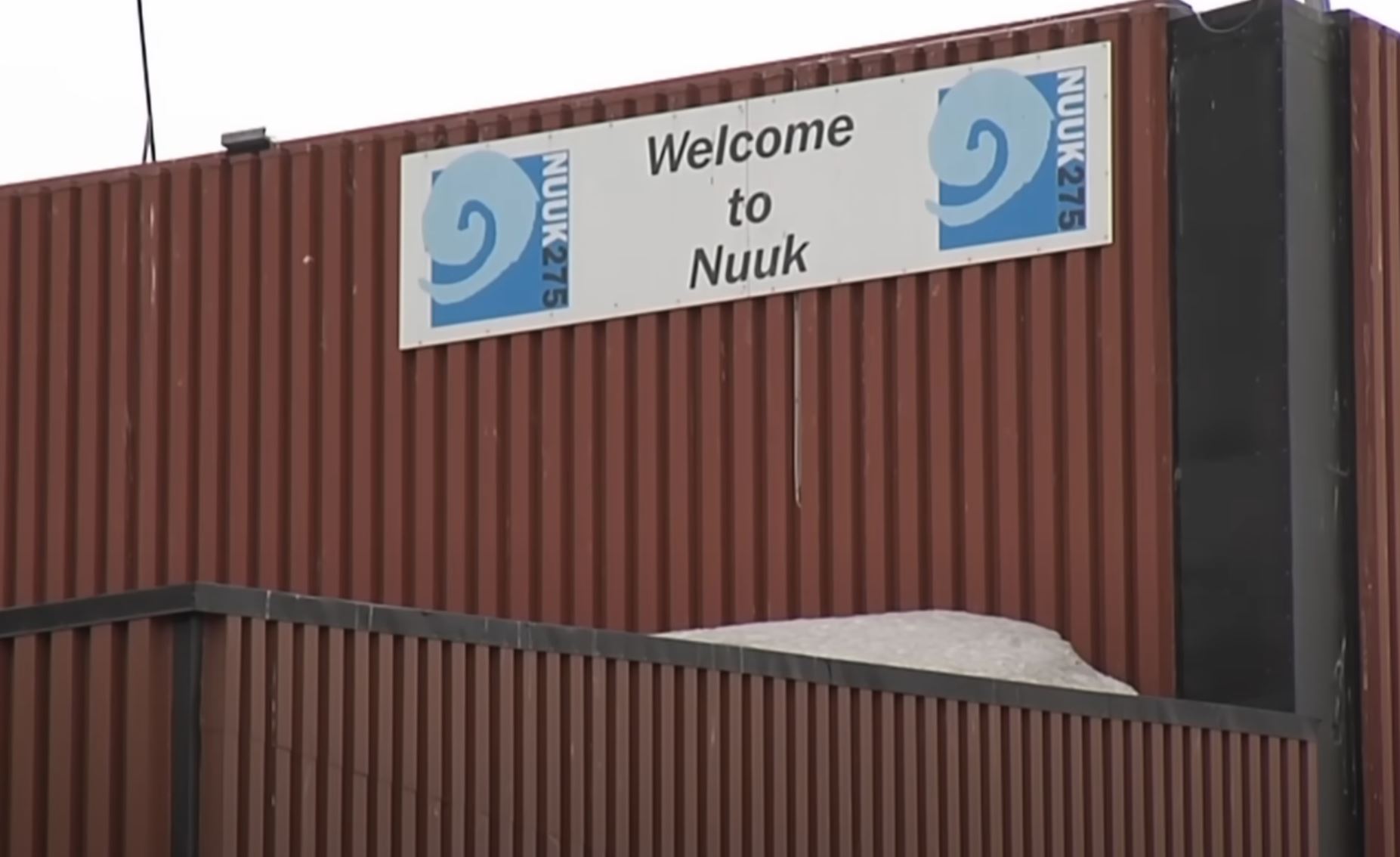
2. Infrastructure Investment Pipeline: The U.S. has already committed $150 million through the Arctic Development Fund (established in 2025) to upgrade Thule Air Base and support civilian port expansions in Nuuk and Sisimiut. These projects, though modest in global terms, represent transformative capital inflows for Greenland’s $3 billion economy.
3. Financial System Exposure: As Greenland’s only domestically headquartered commercial bank, Grønlandsbanken stands to benefit disproportionately from any uptick in business activity, foreign direct investment, or public-private partnerships. Its loan portfolio, heavily weighted toward local fisheries and public sector contracts, could expand into mining services, logistics, and housing—sectors poised for growth.
Cautious Optimism Warranted
Despite the bullish momentum, seasoned Nordic investors should proceed with caution. Greenland remains a high-risk frontier market: its population is just 56,000, regulatory frameworks are still evolving, and environmental sensitivities constrain rapid industrialisation. Moreover, while the U.S. may desire influence, Greenland’s government—elected on a platform of cautious sovereignty—has consistently rejected outright sale or cession of territory. Any American involvement will likely come through negotiated partnerships, not annexation.
Furthermore, Grønlandsbanken’s market capitalisation remains under €200 million, making it highly susceptible to speculative swings. The current rally may reflect more “Trump trade” enthusiasm than fundamental revaluation.
The real test will come in Q2 2026, when the Greenlandic Parliament is expected to finalise legislation enabling foreign equity stakes in mining ventures—a move that could unlock billions in private capital. Should these reforms pass with strong environmental and revenue-sharing safeguards, Grønlandsbanken could transition from a speculative play to a genuine proxy for Arctic economic integration.
What’s Next?
In our upcoming feature, we’ll analyse how Nordic financial institutions—from Nordea to Arctica Finance—are positioning themselves for the emerging Arctic investment corridor. We’ll also assess whether Greenland’s fiscal autonomy can withstand the pressures of sudden capital influxes without compromising long-term sustainability.
Stay Connected
Are you tracking Greenland’s economic evolution or involved in Arctic investment strategies? We’d like to hear from you. Reach out to our editorial team at insights@nordicbusinessjournal.com or connect with us on LinkedIn for exclusive briefings and roundtable invitations.
— The Nordic Business Journal: Illuminating the Future of Northern Economies