
In recent years, Greenland, the vast, ice-covered territory in the Kingdom of Denmark, has found itself at the epicentre of a political and military drama involving major global powers, particularly the United States and NATO. The increased military presence on this remote island is driven by a unique set of geopolitical goals and a careful balancing act, with multiple factors in play: ensuring Greenlandic security, countering former President Trump’s narratives, and deterring potential military aggression. However, this strategic shift has raised questions and concerns, both regionally and internationally, regarding the underlying purpose of the buildup and its broader implications for the Arctic region.
Understanding the Threefold Purpose of Greenland’s Military Presence
The military buildup in Greenland serves three main purposes, each of which plays a crucial role in the island’s evolving geopolitical landscape.
- Greenlandic Security
While the United States has historically maintained a military presence on the island, the growing security concerns in the Arctic region, particularly from Russia and China, have led to a significant increase in NATO’s engagement. This military reinforcement is intended to ensure the security of Greenland’s vast territory, vital for both NATO and global security interests. As the Arctic continues to thaw and new shipping routes emerge, Greenland’s strategic location is becoming increasingly important. - Countering False Narratives
A secondary, but no less important, purpose of the military presence is to directly counter the narrative previously espoused by Donald Trump during his presidency, who controversially suggested that the United States might attempt to “buy” Greenland. The political fallout from Trump’s statements sparked diplomatic tensions, and the decision to strengthen military assets in Greenland was, in part, a response to these misguided remarks. The presence of NATO forces serves as a clear signal that Greenland is not for sale, and that its security and sovereignty are a matter of international concern. - Deterrence Through Political Means
The third and perhaps most significant purpose of the buildup is to increase the “political price” for any potential future threats from the U.S. While military conflict is highly unlikely, the strategic positioning of NATO forces in Greenland sends a powerful political message. It is a form of deterrence aimed at discouraging any further escalation of tensions that could lead to serious diplomatic or military consequences, particularly should the U.S. consider threatening Greenland’s territorial integrity again.
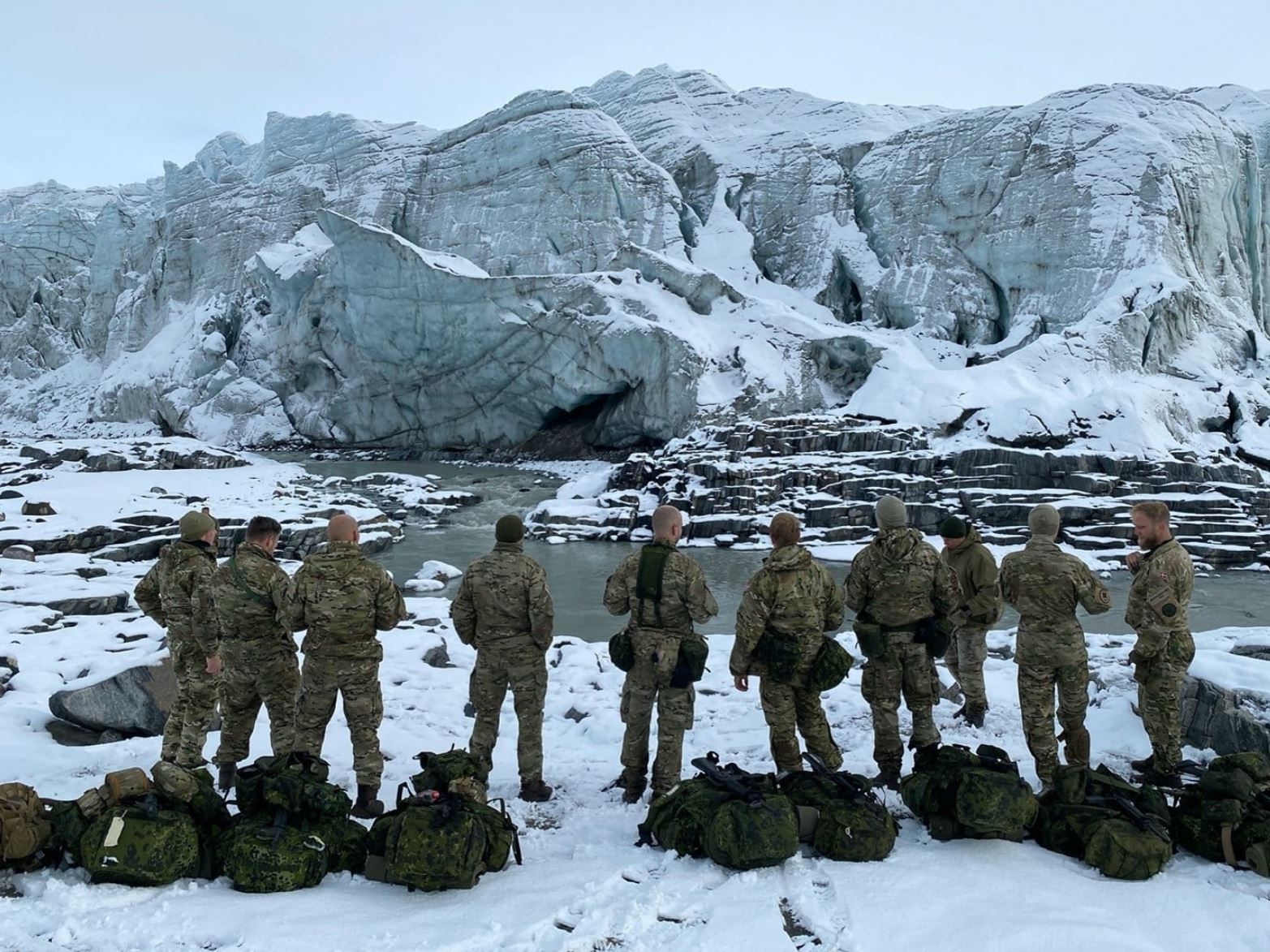
The Diplomatic and Military Implications
The military buildup in Greenland is not a simple matter of fortifying a remote island. It’s a highly complex and politically sensitive issue that involves careful diplomacy and strategic messaging. Despite efforts by several European leaders to downplay concerns, reassuring both the American public and the international community that NATO’s increased presence is primarily in response to the growing geopolitical rivalry with Russia and China, the situation remains precarious.
To many observers, particularly in the U.S., the buildup may be perceived as a direct challenge to American power and influence in the Arctic. However, from Denmark’s perspective, there is no intent to threaten the U.S. militarily. The aim is to assure both the people of Greenland and the international community that the Kingdom of Denmark is committed to safeguarding Greenland’s security, without escalating tensions unnecessarily.
Greenlanders’ Concerns and NATO’s Role
For the people of Greenland, the presence of foreign soldiers on their streets is not a neutral matter. There is a genuine sense of concern among Greenlanders who worry about becoming caught in the crossfire of larger geopolitical battles. As tensions between the United States and Denmark have escalated, the local population is understandably anxious about the future. The visible presence of NATO soldiers, however, serves two purposes: it reassures Greenlanders that their security is being taken seriously, and it reminds the United States of NATO’s commitment to the Arctic region.
For NATO, the military reinforcement is an opportunity to send a clear message: the Arctic is a region of strategic importance, and the alliance is serious about defending its northernmost territories against any threat, whether that be from Russia, China, or any other actor. This is particularly significant considering the Arctic’s growing importance as a potential economic zone, with new shipping lanes and untapped natural resources that could shift the global balance of power.
Political Risk vs. Military Reality
While the idea of a military confrontation between NATO allies seems far-fetched, the political dimension of the conflict is real and cannot be ignored. The presence of NATO forces in Greenland is, in part, a message to the U.S. that any attempt to undermine Greenland’s sovereignty would come at a high political cost. A military intervention in Greenland would inevitably drag NATO allies into the conflict, forcing the United States to potentially engage in combat with countries it is bound to by alliance. This would not only create significant political problems for President Trump—both domestically and abroad—but could also threaten the stability of the NATO alliance itself.
As Danish Prime Minister Mette Frederiksen has pointed out, while the prospect of military action is highly unlikely, it is not something that can be entirely ruled out. The stakes are high, and the Danish government must continue to safeguard its territorial integrity and diplomatic standing while navigating a complex and volatile international situation.
The Path Forward: A Delicate Diplomacy
Ultimately, the purpose of the military presence in Greenland is not to provoke a conflict, but to ensure that any future tensions are met with a clear and unified response. The hope is that the political costs of military aggression would outweigh any potential benefits, thereby deterring further threats to Greenland’s sovereignty.
However, the delicate balancing act continues. Greenland’s security, the political fallout from Trump’s narrative, and the need to maintain NATO unity are all factors that will shape the future of this situation. For now, the people of Greenland and the broader international community will watch closely, waiting to see how these tensions will evolve in the Arctic’s shifting geopolitical landscape.
Looking Ahead: Next Steps and Engagement
As the situation in Greenland continues to develop, we will be closely following the strategic manoeuvres and diplomatic dialogues between NATO allies and global powers. In our next article, we will analyse how NATO is adjusting its Arctic defines strategy and the implications for global security. We invite our readers to stay connected and engaged with us for more in-depth analysis and updates on this critical geopolitical issue. Feel free to reach out to us with your thoughts or questions, and stay tuned for our continued coverage.