
In a historic shift, 2025 marked a pivotal moment for the European Union’s energy transition when wind and solar power surpassed fossil fuels in contributing to the region’s electricity generation for the first time. As renewables take the lead across Europe, Sweden, however, finds itself at a crossroads, struggling to keep pace with the growing demand for clean energy.
The EU’s Renewable Milestone: A Critical Turning Point
According to the European Electricity Review 2025, wind and solar power accounted for a remarkable 30% of the EU’s electricity last year, while fossil fuels—coal, oil, and gas—fell to 29%. This marks a significant milestone in the EU’s energy transition and is described as a “crucial tipping point” for Europe’s future energy landscape. The progress in Europe highlights the Union’s commitment to reducing its carbon footprint and securing energy independence from volatile fossil fuel markets.
However, Sweden’s progress in the energy transition stands in stark contrast. While the EU accelerates its push toward green energy, Sweden is grappling with an environment that stifles new renewable projects, jeopardizing its own green future. As the pace of expansion falters, Sweden risks not only missing out on renewable energy investments but also losing its competitive edge in a rapidly evolving global market.
Sweden’s Struggle: A Ticking Clock for Energy Transformation
Per Witalisson, CEO of Eolus, a leading renewable energy company in Sweden, expresses growing frustration among businesses that are eager to transition to renewable energy but find themselves hindered by a lack of accessible, affordable electricity. The crux of the problem lies in Sweden’s sluggish permit process for new renewable projects, with many waiting up to a decade for approval.
“Electricity prices are too low to stimulate new expansion,” Witalisson states. “Industrial demand and the pace of expansion must go hand in hand.” He believes the lack of investment incentives, coupled with an uncertain energy supply, is preventing Swedish businesses from making the necessary commitments to green energy.
Sweden’s slow-moving permit process—often taking up to 10 years for new electricity grid investments—poses a significant barrier to the growth of renewable energy. While the actual construction of wind and solar farms is relatively quick, the prolonged bureaucratic delays mean that projects are stalled, preventing industries from securing the stable, affordable energy supply they need.
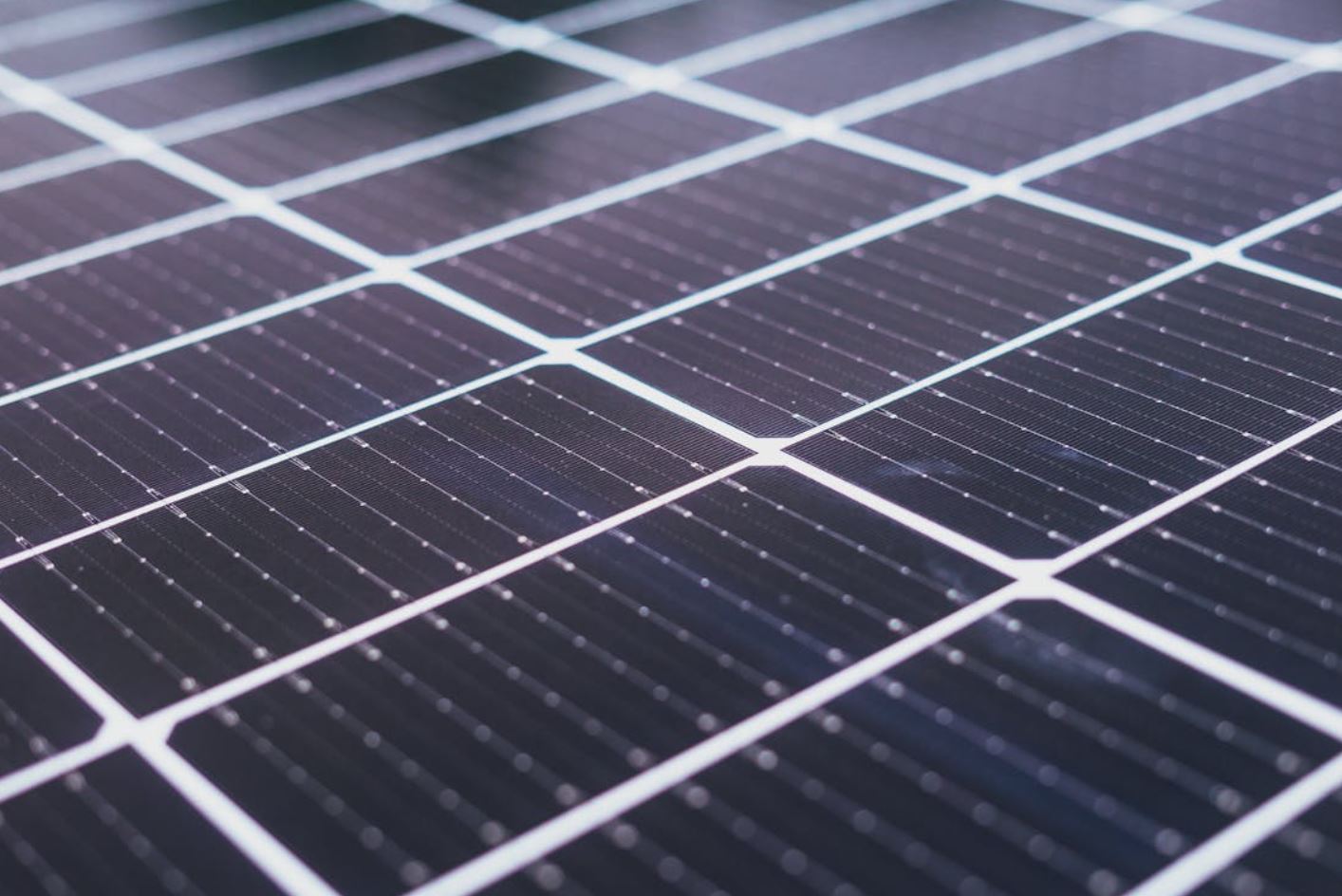
A Shift in Europe’s Energy Dependencies
The EU’s transition to renewables is not just about reducing carbon emissions; it’s also a response to the growing political risks associated with dependency on imported fossil fuels. With geopolitical tensions rising globally, particularly the ongoing instability in regions reliant on fossil fuel production, Europe’s reliance on external energy sources is becoming increasingly precarious.
As Witalisson points out, Sweden must recognize the emerging risks of an energy system dependent on nuclear power and fossil fuel imports. “It is never good to be dependent on anyone, no matter who it is,” he warns. The EU must not only strive for energy sustainability but also ensure security of supply in a volatile global landscape.
Sweden’s Window of Opportunity: Embrace the Future of Energy
Sweden is at a crossroads. The nation has the technical expertise and resources to lead Europe’s renewable revolution, but policy and regulatory obstacles are stifling its progress. If Sweden is to remain competitive, the government must streamline the permit processes, incentivize green energy investments, and ensure that industrial demand for clean electricity is matched by an accelerated pace of renewable energy projects.
The energy transition in Europe also faces challenges beyond production. The electricity grid across the continent is not equipped to handle the growing influx of variable renewable energy. Grid modernisation is crucial to accommodate the surge in wind and solar power, which fluctuates with weather patterns. Without significant upgrades to the grid, Europe’s energy transition risks being slowed down.
However, there is hope on the horizon. Battery storage technology is advancing rapidly, and in countries like Italy, batteries are helping to manage the evening peak demands for electricity. As the cost of storage continues to decline, the role of batteries in stabilizing the grid will only grow, reducing the need for expensive and short-lived investments in gas-fired power plants.
Probing the future: The Need for a Unified Approach
As the EU moves closer to a future powered by renewable energy, Sweden must act swiftly to avoid being left behind. The country must focus on unlocking the full potential of its wind and solar resources, facilitating faster permit processes, and creating an environment that encourages investment in the green energy sector.
The upcoming discussions in EU energy policy will be pivotal for Sweden’s energy future. A unified approach across Europe—one that combines renewable energy expansion with enhanced infrastructure—will determine the success of the continent’s transition to a greener, more secure energy system.
Looking Ahead: Connect With Us
In our next article, we will explore how Sweden can strengthen its position as a renewable energy leader in Europe and what specific steps policymakers and businesses can take to drive the transition forward. Join us in the conversation and share your insights on the energy transformation by connecting with us. Together, we can shape the future of Sweden’s energy landscape.