
When German Foreign Minister Johann Wadephul stood beside Sweden’s Tobias Billström in Stockholm this week, their conversation transcended traditional diplomacy. It signalled a fundamental recalibration of Northern Europe’s security architecture—one with profound implications for Nordic boardrooms, supply chains, and investment strategies. As Wadephul bluntly stated: “The entire Baltic Sea region is where it will be decided whether Europe can stick together and defend itself.”
This isn’t merely geopolitical rhetoric. For Nordic business leaders, the Baltic Sea has transformed from a commercial highway into Europe’s most contested economic corridor—and Germany’s commitment to becoming the continent’s leading military power by 2029 marks a strategic inflection point with tangible business consequences.
Beyond Defence: The Economic Security Imperative
Germany’s Zeitenwende—its historic defence policy shift—now manifests in concrete industrial momentum. In December 2025 alone, Berlin approved over €50 billion in new military procurement orders, catalysing a defence industrial renaissance that Nordic firms are strategically positioned to join. Swedish defence giants like Saab and Finland’s Patria are already deepening integration with German counterparts under newly signed bilateral frameworks, creating supply chain opportunities worth billions.
But the business stakes extend far beyond defence contracts. Three vulnerabilities demand executive attention:
1. Subsea Infrastructure at Risk
Nearly 40% of Europe’s digital traffic flows through Baltic Sea cables connecting Nordic data hubs to continental markets. Following multiple unexplained cable cuts in 2024–2025, the EU’s “Cable Security Toolbox”—operational since late 2025—now coordinates maritime patrols, real-time monitoring, and rapid repair protocols across member states. For Nordic tech firms and financial institutions reliant on low-latency connectivity, this represents both risk mitigation and opportunity: specialised marine survey vessels, autonomous monitoring systems, and cable-hardening technologies are emerging as critical growth sectors.
2. The Shadow Fleet’s Commercial Contagion
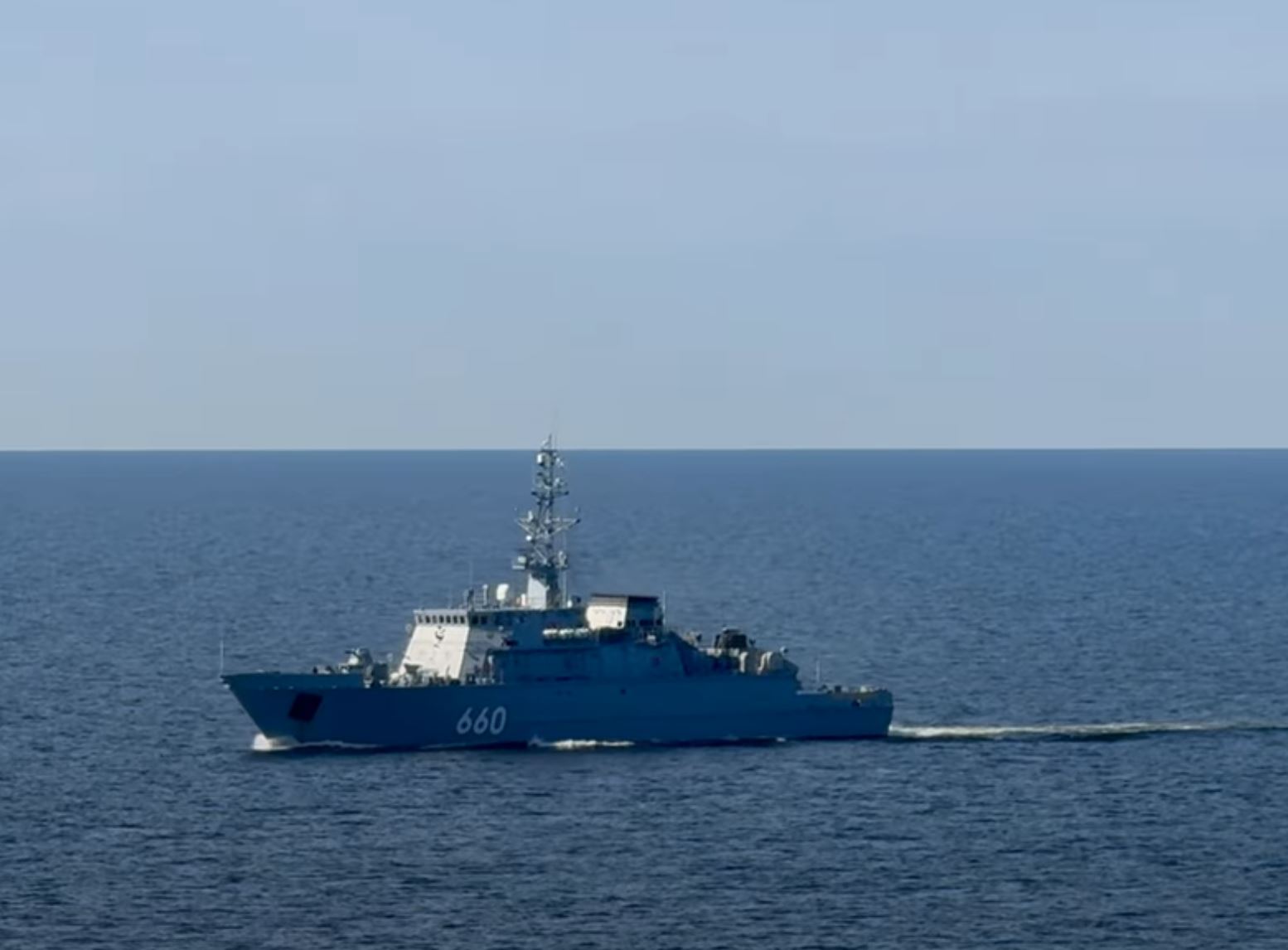
Russia’s “shadow fleet” of over 500 tankers—nearly half now sanctioned by Western powers—continues illicit oil shipments through Baltic waters, creating legal exposure for unwitting commercial actors. In December 2025, the EU sanctioned an additional 41 vessels, tightening port access bans and maritime service restrictions. Nordic shipping firms, port operators, and commodity traders must now implement enhanced due diligence protocols or risk secondary sanctions—a compliance burden that smaller players may struggle to bear, potentially accelerating industry consolidation.
3. Energy Infrastructure Interdependence
With Finland and Sweden fully integrated into NATO’s defence planning since 2024, energy security has become indivisible from military strategy. Germany’s push to protect Baltic energy interconnectors—including the planned NordBalt 2 expansion—creates investment opportunities in hardened infrastructure, while simultaneously exposing Nordic energy exporters to new geopolitical friction points.
Strategic Diversification: Germany’s New Partnership Doctrine
Wadephul’s call to “spread the risks” through partnerships with “liberal democratic states governed by the rule of law”—specifically naming Japan, Australia, Canada, and New Zealand—signals a strategic pivot with commercial ramifications. Nordic firms with established footholds in these markets gain advantage as European supply chains reconfigure away from overreliance on any single partner. This isn’t isolationism; it’s resilience engineering. Companies with diversified manufacturing footprints across these aligned democracies will likely receive preferential treatment in future EU critical infrastructure tenders.
The Nordic Advantage in a Contested Sea
Finland’s 2025 NORDEFCO chairmanship has accelerated practical defence integration among Nordic states, moving beyond symbolism to shared air policing, joint ammunition stockpiles, and interoperable command systems. For businesses, this translates to more predictable operating environments: standardized crisis protocols, harmonised maritime traffic management during heightened alerts, and coordinated business continuity planning across borders. The region’s unique position—combining NATO membership (Finland, Sweden), EU integration, and deep industrial cooperation—creates a security premium that should inform location decisions for data centres, R&D facilities, and critical manufacturing.
Looking Ahead: Your Strategic Brief
This article is the first in our “Baltic Security Economy” series. Next month, we’ll analyse how Nordic SMEs are adapting supply chain resilience strategies amid hybrid threats—with exclusive data from our survey of 200 regional manufacturers.
→ Connect with us: How is your organisation preparing for infrastructure disruption scenarios? Share your resilience strategies with our editorial team at insights@nordicbusinessjournal.com. Selected responses will inform our Q2 2026 Security Economy Index—a benchmarking tool for Nordic corporate preparedness.
— Nordic Business Journal: Where strategy meets security
Published January 27, 2026 | © Ganiley Solutions