
The price of gold has shattered expectations, reaching a record high of over $5,280 per ounce by the end of January. This milestone, while impressive, raises a crucial question for investors and financial analysts alike: is this meteoric rise a signal of broader financial instability, or simply the result of a perfect storm of factors?
This surge in gold prices, driven by a combination of a weakening U.S. dollar, escalating geopolitical tensions, and growing disillusionment with traditional government bonds and fiat currencies, has garnered significant attention. But behind the record numbers lies a more intricate story that could redefine how we approach gold and other precious metals as investment assets in the current economic landscape.
The Rally: Unprecedented Growth and Imminent Risks
Gold’s impressive rise is not just a temporary spike. Since the beginning of the year, gold has already surged by about 22%, with silver following close behind with a remarkable 60% increase. Such a swift uptick has led many investors to consider precious metals a safe haven in a financial landscape marred by instability. However, this might not tell the whole story.
Historically, the price of gold tends to rise by an average of 8% per year. So, when prices increase exponentially within such a short time frame, it suggests something more than just an isolated market reaction. As Michel Rufli, a seasoned expert on precious metals, points out, “This surge is indicative of something much deeper—it’s not just about geopolitical tensions, but a confluence of financial system weaknesses.”
Indeed, gold’s record-setting price surge is largely attributed to a weak U.S. dollar, which has reached its lowest level in nearly four years. This depreciation has made gold more affordable for international buyers, thus driving up demand. Furthermore, the lack of concern from political leaders, such as U.S. President Joe Biden’s focus on other economic priorities rather than stabilising the dollar, has only exacerbated the situation.
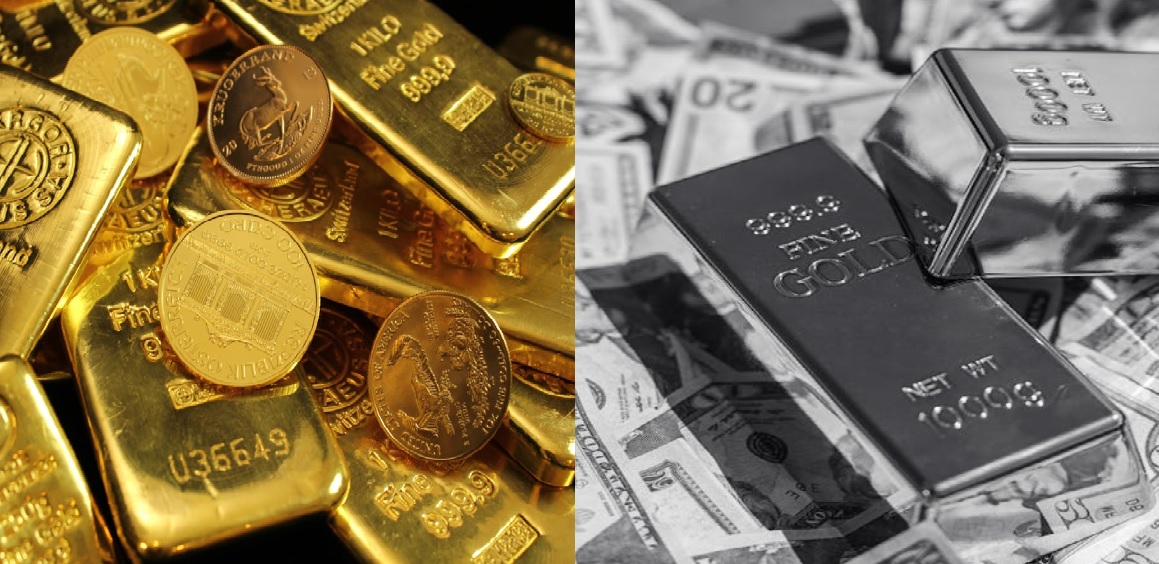
Silver: The Volatile Twin of Gold
While gold steals the spotlight, silver has been following a similar trajectory, albeit with greater fluctuations. The gold-to-silver ratio, which measures the relative price of these two precious metals, has plummeted from its historical range of 65-70 to around 50.
Rufli highlights the growing importance of silver beyond its traditional industrial uses. “Silver is increasingly seen as a critical commodity, especially in the context of solar energy, electrification, and surging demand from Asia,” he explains. This shift, while promising for long-term investors, also means that silver is exposed to heightened risk, particularly if the market corrects abruptly.
For investors who have been drawn to silver’s price volatility, this presents both opportunities and pitfalls. On one hand, silver has the potential for higher returns if it follows gold’s upward momentum. On the other hand, its increased susceptibility to large swings makes it a dangerous asset for short-term speculators.
The Small Investor’s Dilemma: Physical Metal vs. Paper Products
The swift rise in precious metals prices has attracted a flood of new investors, particularly those buying into exchange-traded funds (ETFs), certificates, or other paper-based financial products. While these financial vehicles offer ease of access and liquidity, they expose investors to significant risks.
“When the correction inevitably comes, it will likely hit paper products hardest. If you own physical gold or silver, you still own the metal itself, a key distinction that could safeguard you from potential losses,” warns Rufli. In Sweden, where a high percentage of investors are exposed to exchange-traded products, the risk is especially pronounced, given the country’s relatively weak tradition of holding physical gold or silver. For small investors, this means they could face significant losses if sentiment shifts abruptly.
Gold’s Evolving Role: Insurance or Speculation?
Traditionally, gold has been viewed as a reliable store of value—a hedge against economic crises and financial uncertainty. However, as Rufli notes, this classic role of gold as insurance has become increasingly muddied by its role in today’s market as a speculative asset. Instead of serving as a counterweight to volatile equities or bonds, gold’s rise is occurring in parallel with other risky assets, such as stocks. The result is an asset class that is being driven by speculative momentum rather than pure defensive demand.
“Gold and silver in their physical form are excellent long-term stores of value,” says Rufli. “But many investors are no longer buying gold as protection, but rather because they’ve seen how well it has performed recently.” This shift in the purpose of gold from insurance to speculation is where the risks lie.
When gold prices surge, they can create the illusion of guaranteed profits. But many investors are stepping in with money they might need in the short term—money they cannot afford to lose. As Rufli warns, “This is the exact point at which investors need to stop and reassess their positions before the rubber band snaps back.”
What Lies Ahead for Precious Metals?
The current rise in gold and silver prices is not just about an unstable global economy; it’s also about the broader changes in the financial system. With governments printing money and debt levels reaching unsustainable levels, the appeal of precious metals as a store of value will likely continue to grow. But investors must approach these assets with caution, particularly in light of the volatility and speculative behaviour that can accompany such rapid growth.
As the gold rush continues, we urge investors to carefully evaluate their portfolios and consider the long-term implications of their investment strategies. Should this rally end in a correction, those who have invested heavily in paper products rather than physical gold and silver may be left vulnerable.
Looking Ahead: The Next Article
In our next edition, we will delve deeper into the broader economic implications of these precious metals boom, examining how it interacts with the global financial system and what it means for investors in the coming months. Stay tuned for expert insights into the intersection of geopolitics, currency fluctuations, and precious metals as an asset class.
Stay Connected
For more in-depth analysis and to join the conversation, connect with us on social media or reach out through our website. Don’t miss the latest updates as we continue to monitor the evolving dynamics of the global financial landscape.