
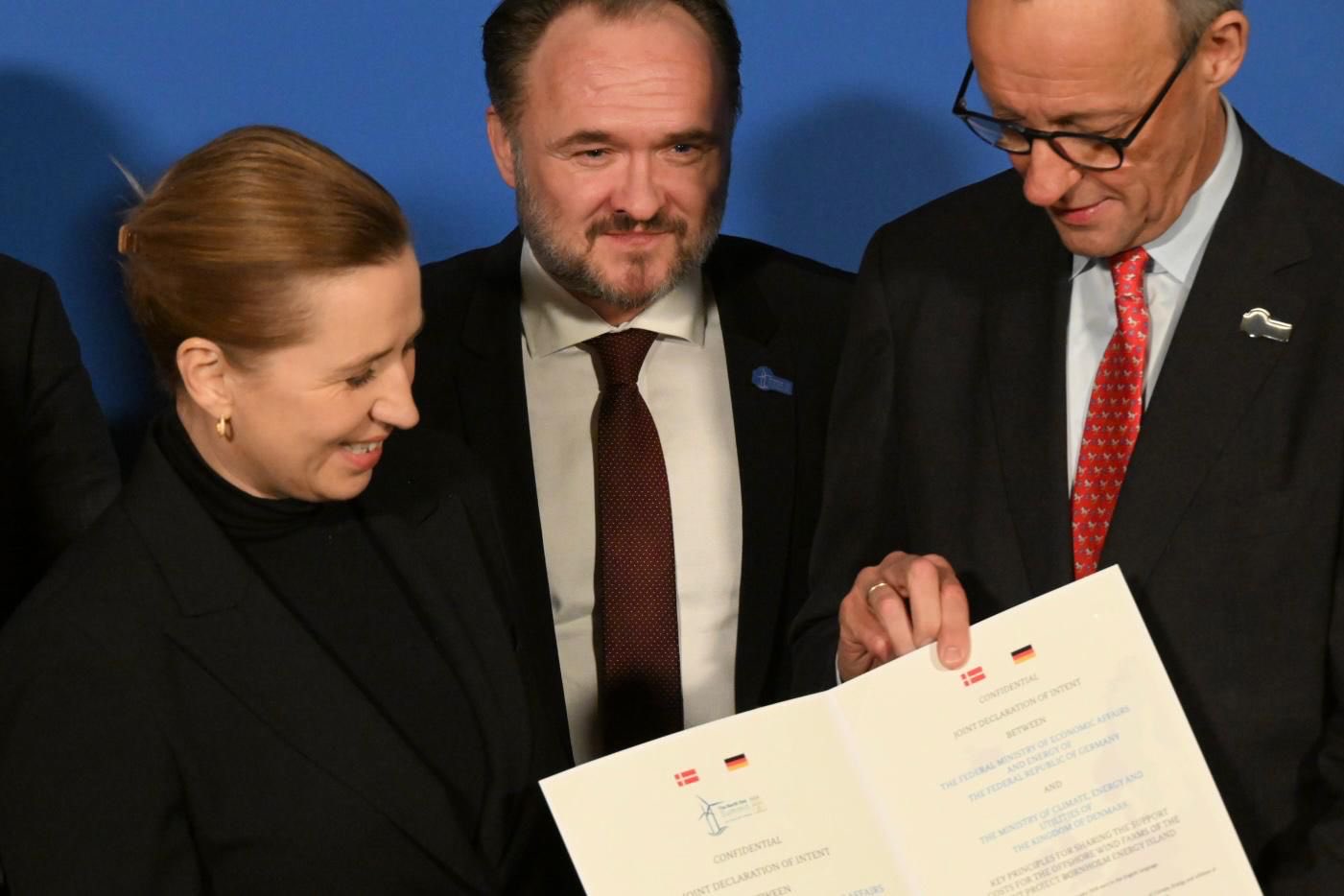
In a groundbreaking development, Denmark and Germany have officially sealed an agreement that will pave the way for the construction of what will become Denmark’s largest energy project: the Energiø Bornholm (Bornholm Energy Island). This ambitious initiative will not only provide electricity to an estimated 3 million homes across Denmark and Germany but also establish a transformative infrastructure for the future of renewable energy in the region.
A 42 Billion Kroner Commitment
The scale of the Bornholm Energy Island is vast. According to Denmark’s Climate Minister Lars Aagaard, Denmark is expected to contribute approximately 42 billion kroner over the next 30 years. This funding will cover the construction of key components of the project, including the large electric highway linking Denmark to Germany and a series of offshore wind turbines that will generate the energy needed to power millions of homes.
The magnitude of this investment reflects Denmark’s ongoing commitment to achieving its ambitious climate goals. By leveraging offshore wind energy, one of the country’s most abundant natural resources, Denmark aims to drastically reduce its carbon emissions while strengthening its energy security.
Collaborative Financing with Germany
A key feature of the agreement between Denmark and Germany is the equitable division of costs, with a 30/70 split for the offshore wind component of the project. Denmark will pay the smaller share of the bill, which speaks to the importance of international cooperation in large-scale infrastructure projects like this. The energy island not only underscores Denmark’s leadership in renewable energy but also serves as a symbol of European solidarity in addressing climate change.
Looking Toward the Future
The Bornholm Energy Island is expected to set a new benchmark for renewable energy projects worldwide. It combines cutting-edge offshore wind technology with robust energy distribution networks, ultimately contributing to the goal of a carbon-neutral Europe by 2050.
However, this monumental initiative is just one piece of a much larger puzzle. As Denmark moves forward with the energy island project, there will likely be an increasing emphasis on the integration of smart grids, energy storage solutions, and cross-border electricity trading. These advancements will further enhance the efficiency and sustainability of the energy system in the Nordic region and beyond.
What’s Next for Denmark and Germany’s Energy Collaboration?
As the Bornholm Energy Island moves from concept to construction, the focus will shift toward ensuring the long-term success of the project. In upcoming articles, we’ll delve into the technical aspects of offshore wind power, explore the economic impact of such large-scale investments, and discuss how other countries can learn from this ambitious collaboration.
For readers interested in following the latest developments in renewable energy, stay tuned for our next feature, which will cover the advancements in energy storage technologies and how they are reshaping the way we think about sustainable energy.
Stay connected with us to receive updates on the next step in Denmark’s energy journey and for more insights on renewable energy innovations. We welcome your thoughts and feedback—connect with us at insights@nordicbusinessjournal.com or our comment and debate forums below to continue the conversation.