
Denmark’s political landscape has experienced a seismic shift in the past few months, one that seems improbable given the initial trajectory of Prime Minister Mette Frederiksen’s tenure. Just months ago, Frederiksen’s Social Democrats faced a devastating blow in Denmark’s municipal elections, losing their century-long hold on power in Copenhagen. This marked a symbolic loss that seemed to signal a waning of Frederiksen’s political capital. However, as 2026 dawns, the tide has turned, with her party’s fortunes looking markedly brighter.
The Municipal Setback: A Wake-Up Call
In November 2025, Denmark’s municipal elections painted a dismal picture for the Prime Minister’s party. For the first time in a century, the Social Democrats lost control of Copenhagen, a city whose political significance cannot be overstated. While the loss in the capital was emblematic of broader dissatisfaction, the rise of the conservative faction under Foreign Minister Lars Løkke Rasmussen—who nearly tripled his party’s vote share—added fuel to the fire.
At the time, Rasmussen’s triumph seemed to signal a major realignment in Denmark’s political sphere. With an unexpected surge, Rasmussen’s conservative party achieved 6.4% in the polls, up from a mere 2.2% previously. The trend was deeply troubling for the Social Democrats, who faced significant pressure heading into 2026.
The Unexpected Turnaround: How Trump Played a Role
Fast-forward to early 2026, and Mette Frederiksen’s position has been remarkably rejuvenated. A recent opinion poll puts the Social Democrats at 22.7% of the vote, securing 41 seats out of the 179 in Denmark’s parliament. Although this is a drop from their current position of 50 seats, it still places Frederiksen’s party in a commanding position as Denmark’s largest political force. This surge can largely be attributed to a geopolitical development that no one could have foreseen: the rhetoric and actions of former U.S. President Donald Trump.
It was in early January that Trump renewed his threats to annex Greenland, an autonomous territory of Denmark, spurring intense international backlash. His comments were seen as a direct challenge to Danish sovereignty, one that demanded a response. For Frederiksen, this represented both a diplomatic crisis and a unique opportunity to solidify her leadership at home.
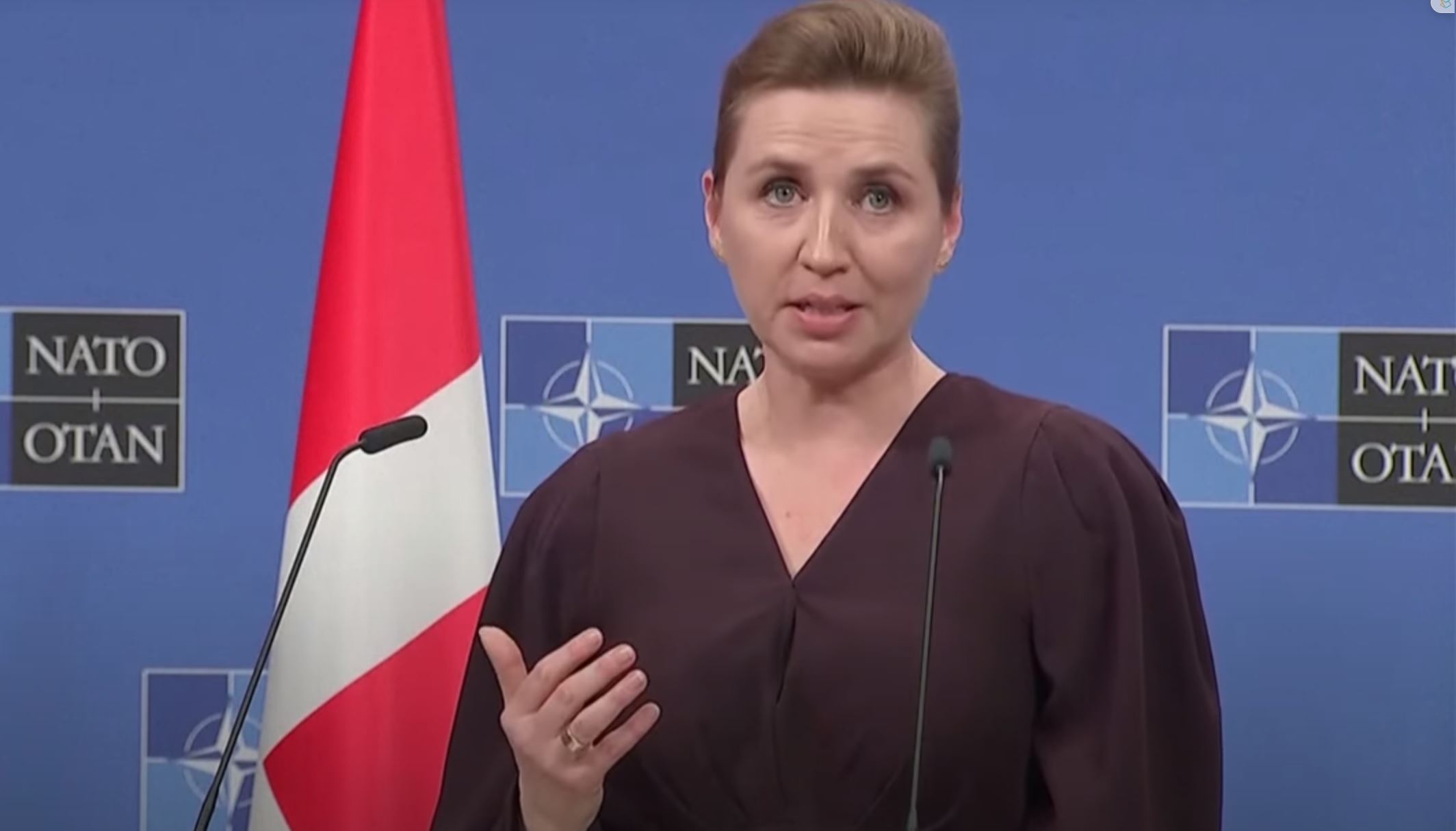
In her robust defence of Denmark’s territorial integrity, Frederiksen not only garnered support from her domestic base but also positioned herself as a defender of national sovereignty in a rapidly changing global order. According to Politico, Frederiksen has successfully leveraged her firm stance on Greenland to bolster her popularity among the Danish electorate.
A Broader Trend: The Global Reaction to Trump’s Rhetoric
Frederiksen’s surge is not an isolated incident. From Canada to Australia, national leaders who have stood firm against Trump’s rhetoric and actions have experienced a notable boost in their political fortunes. Voters in democratic nations appear to be rallying behind those who advocate for the protection of national sovereignty and liberal democratic values in the face of American aggression.
This phenomenon highlights a growing global sentiment: as the United States under Trump’s leadership became increasingly isolationist and confrontational, leaders who defended their countries against such pressures found themselves elevated in the eyes of their constituents.
Anne Rasmussen, a political scientist at King’s College London and the University of Copenhagen, notes that there is little doubt about the connection between Trump’s behaviour and Frederiksen’s recovery. “It is first and foremost Greenland,” she explains. The Danish public, Rasmussen suggests, has rallied behind Frederiksen because she was seen as standing up not only for Denmark but for the principles of sovereignty that resonate deeply in today’s geopolitical climate.
The Prospect of an Early Election: Timing Is Everything
Given the current political climate and Frederiksen’s revived standing, speculation has grown about whether she will call an early election. Under Danish law, the next election must be held before November 1, 2026. In 2022, Frederiksen successfully called for an early election, capitalizing on her party’s political momentum to secure a victory. Many analysts now believe that she could attempt to repeat this strategy in 2026, potentially capitalizing on her recent popularity.
However, timing will be crucial. Anne Rasmussen speculates that Frederiksen may choose to wait a bit longer before making any electoral moves. “It may seem a little too instrumental to do it in the midst of the biggest foreign policy crisis for Denmark and the world order,” she says. Nevertheless, the likelihood of an election before summer 2026 remains high.
While some argue that Frederiksen’s actions could be perceived as politically opportunistic, others contend that her firm stance on international issues could resonate deeply with voters, making an election call a calculated yet necessary move.
A Test of Political Will in Uncertain Times
The political narrative surrounding Mette Frederiksen’s Social Democrats serves as a case study in the ways global events can shape domestic politics. Denmark, like many other nations, is caught in the web of shifting international alliances and domestic pressures. The next few months will reveal whether Frederiksen can sustain her momentum or if new challenges, both foreign and domestic, will derail her political resurgence.
As Denmark grapples with its position on the world stage, it is clear that the current political drama is far from over. The interplay between national sovereignty, foreign policy, and domestic politics will likely define Denmark’s political future for years to come.
Next Steps:
In our next article, we will take a deeper dive into how global tensions, especially in the Arctic region, are affecting Nordic politics. From Russia’s assertiveness to the U.S. policy towards Greenland, we’ll explore the ways in which Denmark and its neighbours are positioning themselves in a shifting geopolitical landscape.
We invite our readers to stay connected with us on social media and to share their thoughts on the evolving political situation in Denmark. Your insights are invaluable as we continue to analyse the forces shaping the Nordic business and political environment.