
A high-stakes legal gamble reflects deeper political realignments—and signals long-term consequences for Denmark’s business climate and EU positioning.
Denmark is once again positioning itself at the forefront of Europe’s migration and legal policy debate. The government has proposed legislation that would allow the deportation of foreign nationals sentenced to at least one year in prison—regardless of how long they have lived in Denmark or how strong their ties are to Danish society.
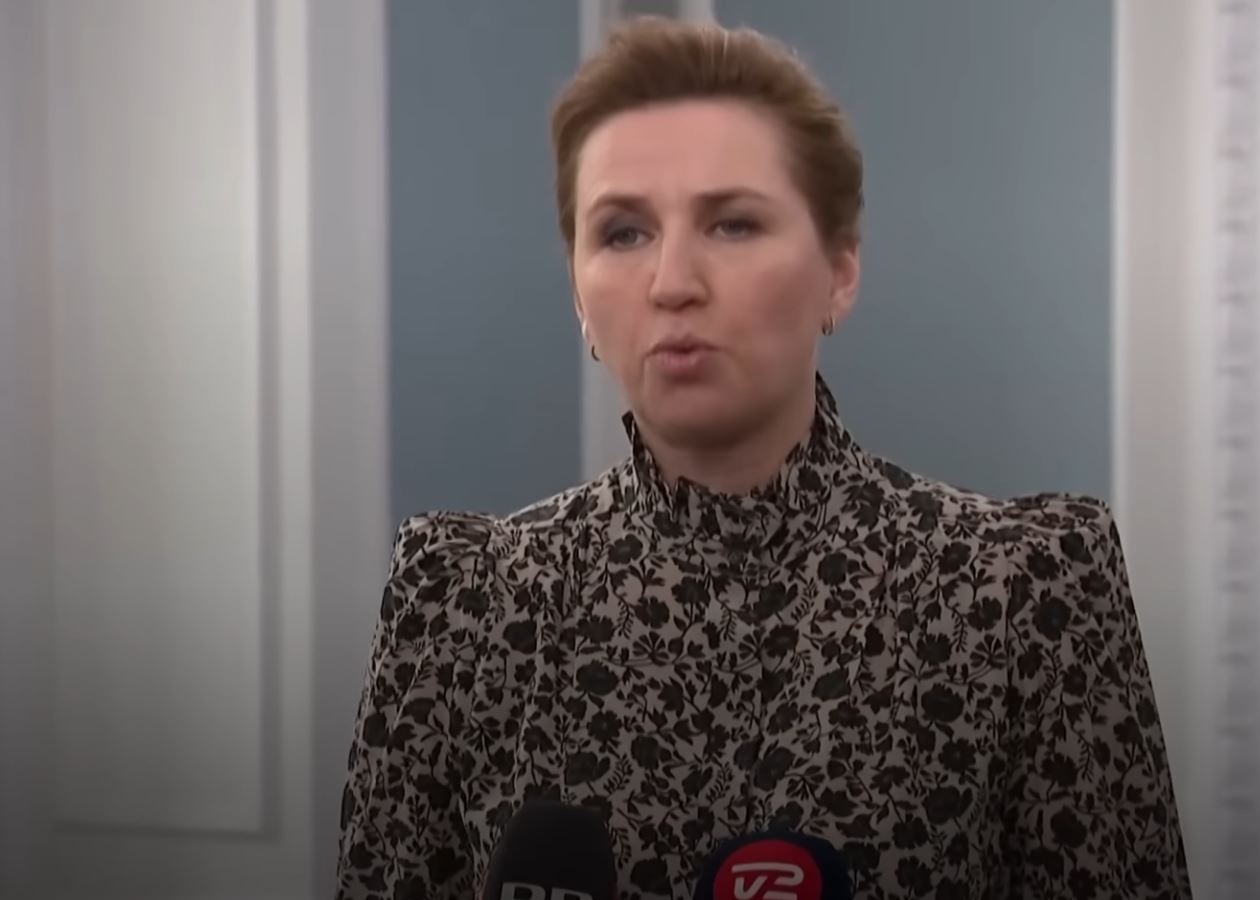
Prime Minister Mette Frederiksen announced the proposal in her New Year’s address, framing it as a matter of public safety and social contract rather than legal technicality.
“If you are convicted of rape, aggravated assault or other serious crime, then you are no longer in Denmark,” Frederiksen said, underscoring the government’s zero-tolerance approach.
The bill, now moving through the legislative process, represents a direct challenge to the prevailing interpretation of the European Convention on Human Rights (ECHR), particularly Article 8, which protects the right to private and family life.
A Calculated Legal Risk
The Danish Ministry of Justice has acknowledged that the proposal carries a significant risk of violating the European Convention as it is currently interpreted by the European Court of Human Rights (ECtHR) in Strasbourg.
Frederiksen has been unusually candid about this risk.
“We are taking a risk with this, and we are prepared to take it to protect the Danes.”
The government insists that Denmark will ultimately comply with any final ruling from the ECtHR, but officials hope the law will help push the court toward a reassessment of its jurisprudence. According to Frederiksen, 27 of the 42 Council of Europe member states have expressed dissatisfaction with how human rights law currently limits deportation of criminal offenders.
Why this matters beyond immigration
For Nordic executives and investors, this is not merely a legal debate. Denmark’s approach signals:
- A willingness to test supranational legal boundaries
- A broader European trend toward reasserting national sovereignty
- Increased regulatory unpredictability in politically sensitive areas
In the long term, such moves can influence talent mobility, integration policies, and even foreign investment perceptions, particularly for companies reliant on international workforces.
Deportation—even for Those Born in Denmark
One of the most controversial aspects of the proposal is its scope. In her speech, Frederiksen cited the case of an Iraqi national born and raised in Denmark who has never lived in Iraq.
When asked why another country should accept someone whose life has been entirely Danish, Frederiksen responded bluntly:
“It is strange to be born in Denmark and then thank for our hospitality by committing serious crime. If he has citizenship there, he has citizenship there.”
This stance reflects a shift from integration-based arguments to a strict citizenship-and-liability framework, redefining belonging as conditional on law-abiding behaviour rather than cultural or social ties.
The Political Undercurrent: A Government in Motion
The proposal also arrives amid a subtle but important reshaping of Denmark’s political landscape.
While Frederiksen drives the migration agenda, Foreign Minister Lars Løkke Rasmussen, leader of the Moderates, has experienced a remarkable resurgence in public support. After spending much of the past year as one of the government’s least popular ministers, his approval ratings have surged.
According to a January Epinion poll conducted for DR, Rasmussen jumped from last place in December to sixth-most popular minister—a dramatic reversal.
Analysts attribute this shift largely to his handling of foreign affairs, particularly Denmark’s strategic engagement on Greenland and the Arctic. A recent high-profile meeting in Washington, where Rasmussen and Greenlandic Foreign Minister Vivian Motzfeldt met with U.S. Vice President JD Vance and Secretary of State Marco Rubio, reinforced Denmark’s relevance in global geopolitics.
For business leaders, this matters: foreign policy credibility, Arctic strategy, and EU-US alignment increasingly intersect with trade, energy, and security investment decisions.
A Broader European Signal
Denmark’s deportation proposal should be read less as an isolated national initiative and more as part of a pan-European recalibration. Across the EU, governments are reassessing:
- The balance between human rights and public security
- The political cost of judicial constraints
- The sustainability of current migration frameworks
Denmark is testing whether political pressure—applied collectively—can shift Europe’s legal centre of gravity.
Whether the ECtHR ultimately changes course or reasserts its authority, the outcome will shape not only migration law, but also how far national governments can go in redefining the boundaries of European integration.
Nordic Business Journal – Editorial Note
Next follow-up:
Our next article will explore how shifting migration and citizenship policies across the Nordics may affect labour markets, demographic competitiveness, and long-term economic resilience—with insights from legal experts, employers, and policymakers.
We invite readers to share perspectives, data, and questions for future coverage.
Connect with Nordic Business Journal for continued analysis at the intersection of policy, politics, and business strategy.