
As memory prices surge and supply chains tighten, European businesses face a strategic inflection point—one that demands more than tactical procurement adjustments.
The data deluge is no longer a distant forecast; it is today’s operational reality. With global DRAM prices having climbed 58% year-over-year and NAND Flash up 36% in Q1 2026—per the latest TrendForce data—the storage crunch initially predicted for 2025 has materialized with striking force. For Nordic enterprises racing to deploy AI capabilities while navigating stringent EU data sovereignty rules, this convergence of supply constraints and regulatory complexity demands a new strategic playbook.
Beyond the Headlines: A Structural Shift
This is not a cyclical shortage. As Brad Gastwirth, Global Head of Research at Circular Technology, observed at CES 2026: “Memory and storage have transitioned from secondary components to system-level performance constraints.” The evidence is unequivocal:
– 85% of organizations globally now project increased storage spending in 2026—up from 59% just two years ago (Komprise, December 2025).
– 64% of enterprises cite cost optimization as their top storage priority, yet 61% simultaneously prioritize AI-ready data infrastructure—a tension Nordic CFOs know all too well.
– Western Digital and Samsung confirm supply agreements with hyperscalers now extend through 2027, effectively locking capacity away from mid-market buyers.
For Nordic firms—where sustainability imperatives intersect with digital ambition—this creates a dual challenge: how to scale AI capabilities without inflating carbon footprints or violating the EU AI Act’s data localisation requirements.
The Nordic Angle: Sovereignty Meets Scarcity
European companies face a distinct disadvantage in this landscape. While U.S. hyperscalers secure multi-year capacity deals, EU-based firms must comply with the Data Governance Act and GDPR restrictions on cross-border data flows. This means Nordic enterprises cannot simply “rent” storage capacity from U.S.-based cloud providers for sensitive AI training workloads—a reality accelerating on-premises infrastructure investments precisely when component costs are peaking.
Consider Open Heritage 3D, the San Diego-based nonprofit archiving cultural heritage sites. Its data volume will hit one petabyte within 18 months—not through AI training, but through high-resolution scanning alone. Now scale this to Nordic industrial giants like Volvo or Siemens Energy, where sensor-laden manufacturing lines generate exabytes of operational data annually. As Professor Falko Kuester notes: “We’re going to continue to consume as much storage as we have. It’s a self-fulfilling prophecy in computer science.” For Nordic firms committed to circular economy principles, this prophecy demands rethinking—not just reacting.
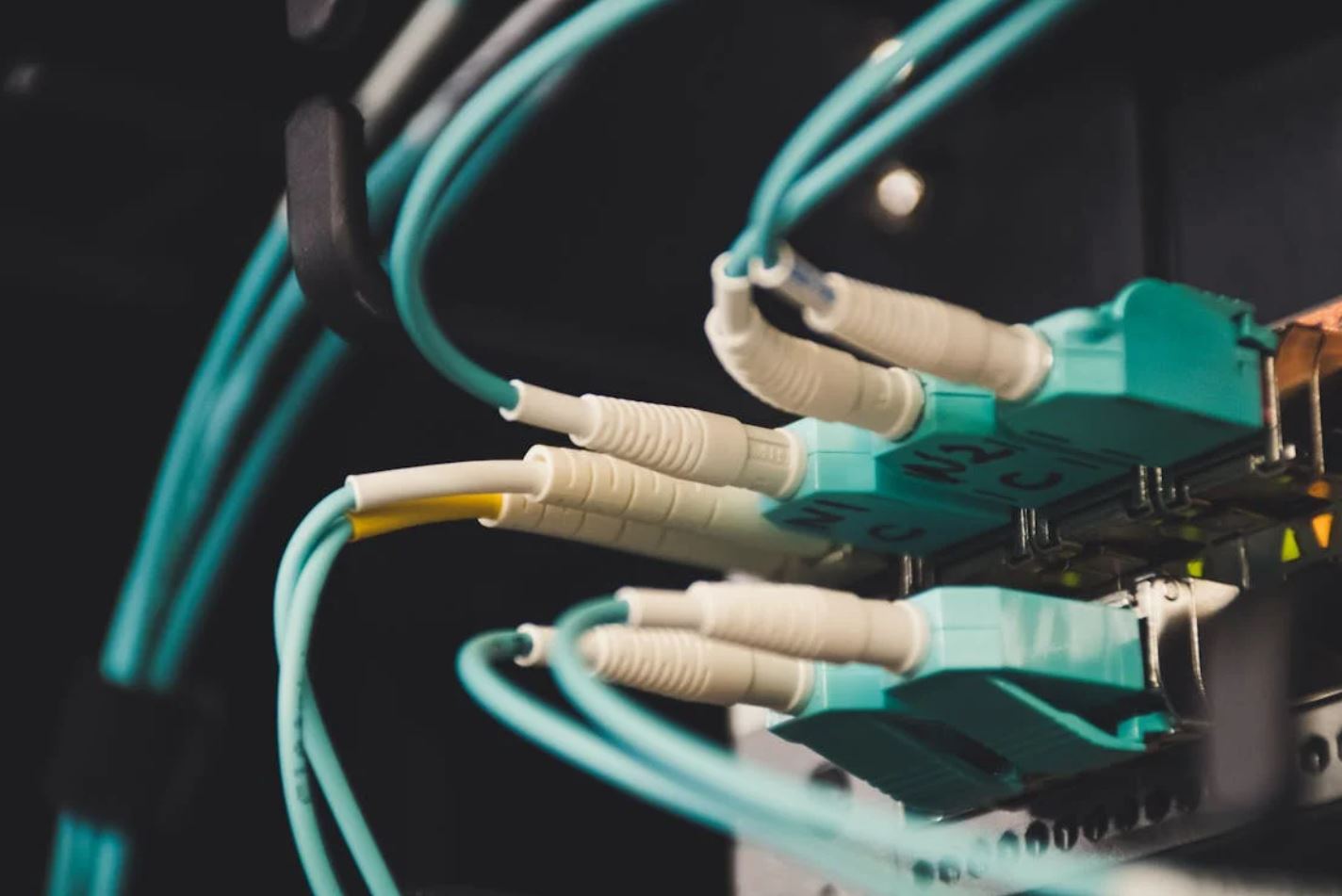
Data storage war | Ganileys
Strategic Pathways Forward
Waiting for prices to stabilize may prove costly. Instead, forward-thinking Nordic organizations are adopting three counter-cyclical strategies:
1. Intelligent Data Tiering: Rather than storing all data on premium NVMe drives, firms like Danish wind-energy leader Ørsted now implement automated tiering—moving cold data to QLC SSDs (projected to reach 30% of enterprise SSD market in 2026) or even tape archives. This reduces high-cost storage needs by up to 40% without compromising AI readiness.
2. Write Optimization for Longevity: As IEEE Fellow Tom Coughlin advises, minimizing unnecessary writes extends QLC NAND lifespan significantly. Swedish fintech Klarna recently reduced storage refresh cycles by 22 months through write consolidation algorithms—turning a supply constraint into a sustainability win.
3. Strategic Delay with Purpose: Forrester analyst Brent Ellis recommends postponing non-critical AI cluster deployments by 4–6 months—but only if used to refine data governance frameworks first. Norwegian energy firm Equinor is using this window to implement EU AI Act-compliant data labelling protocols, ensuring that when storage arrives, it fuels compliant AI—not regulatory risk.
The Road Ahead
Semiconductor fabs require 15+ months and $50 billion to build—a timeline that guarantees tight supply through 2027. Yet this constraint contains opportunity: Nordic firms leading in green data centre innovation (think Iceland’s geothermal-powered facilities or Finland’s waste-heat reuse models) can transform storage scarcity into competitive advantage by coupling efficiency with sustainability.
The companies thriving in this environment won’t be those with the deepest pockets—but those with the smartest data strategies.
— This article was informed by Q1 2026 supply chain data from TrendForce, Komprise’s Enterprise Storage Report, and exclusive interviews with industry leaders at CES 2026.
What’s Next? In our upcoming feature, Nordic Data Sovereignty in the Age of AI, we’ll analyse how Swedish, Finnish, and Danish firms are building GDPR-compliant AI infrastructure—and whether Europe’s data-localisation push is accelerating or hindering competitiveness.
Connect With Us: How is your organization navigating the storage crunch? Share your strategy with our editorial team at insights@nordicbusinessjournal.com. Selected responses will be featured in our Q2 Executive Briefing.
© 2026 Nordic Business Journal — Where Nordic Strategy Meets Global Markets