
Why military victories alone cannot protect investments—or people—in Nigeria’s expanding conflict zones
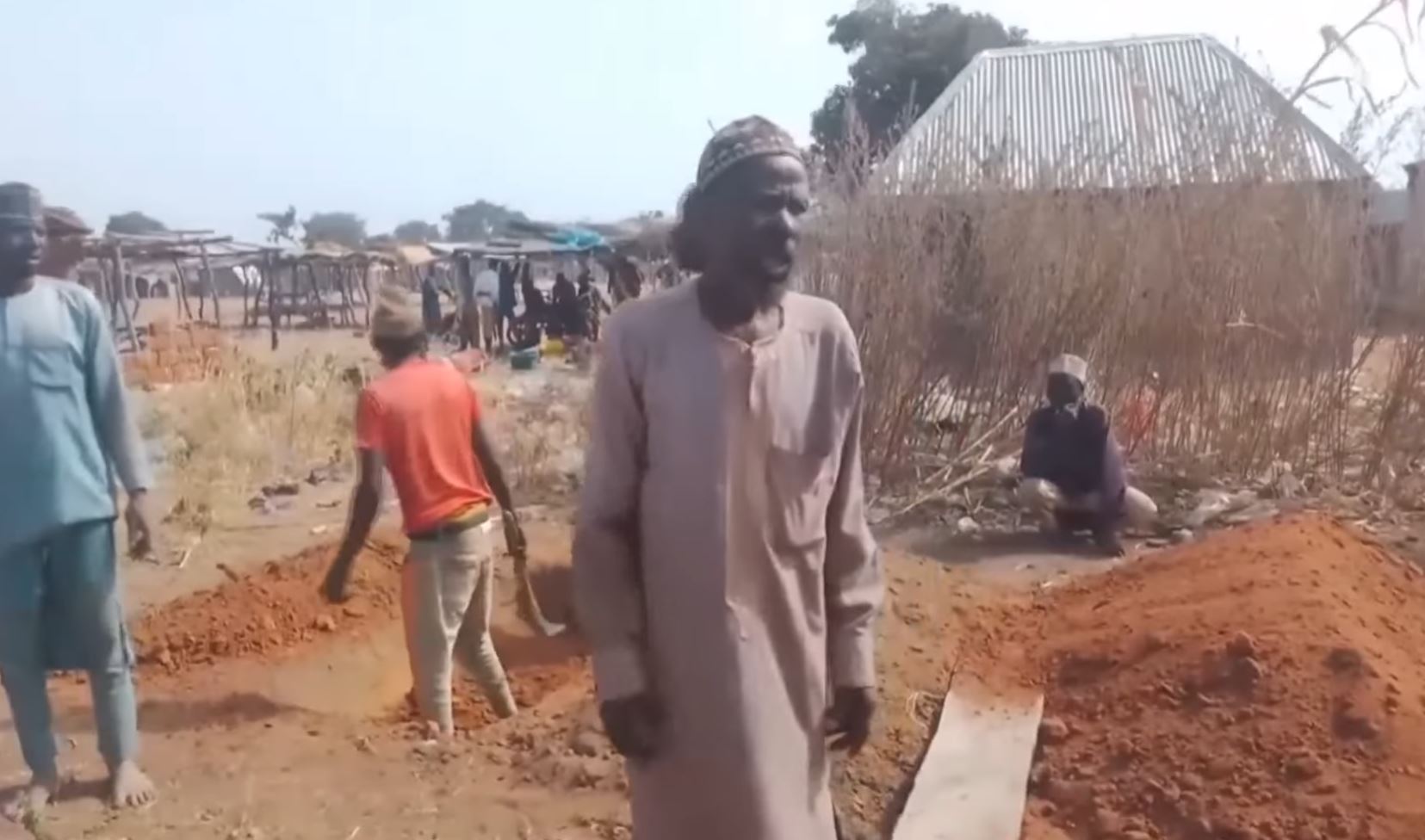
KWARA STATE, NIGERIA | February 5, 2026 — Two days after gunmen stormed Woro village in western Nigeria, killing 162 civilians in one of the deadliest single attacks of 2026, a troubling paradox defines Nigeria’s security landscape: tactical military successes are triggering catastrophic civilian reprisals. As Nordic companies evaluate opportunities in West Africa’s largest economy—from agricultural value chains to renewable energy projects—this massacre exposes a critical blind spot in risk assessment: the widening chasm between battlefield metrics and population security.
The Attack and Its Strategic Context
On the evening of February 3, heavily armed assailants descended on Woro and neighbouring Nuku villages in Kwara State’s Kaiama Local Government Area, setting homes and businesses ablaze—including the king’s palace—and executing residents indiscriminately. The International Committee of the Red Cross confirmed 162 fatalities, with recovery operations ongoing.
Kwara State Governor AbdulRahman AbdulRazaq characterised the assault as “a cowardly expression of frustration by terrorist cells following ongoing counterterrorism campaigns”—a telling admission. Just days prior, Nigerian military forces had claimed to neutralise 150 terrorists and destroy remote camps in the same region. Rather than retreat, these groups redirected violence toward undefended communities—a pattern increasingly documented across Nigeria’s North-Central belt.
Security analysts now confirm this was likely perpetrated by Jama’atu Ahlis Sunna Lidda’awati wal-Jihad (JAS), the Boko Haram faction loyal to the late Abubakar Shekau, which has expanded operations westward from its Lake Chad base. Critically, this attack signals a dangerous geographic shift: terrorist networks once confined to Nigeria’s northeast now operate freely across the North-Central corridor, exploiting porous borders with Benin and leveraging forest reserves like Kainji Lake National Park as sanctuaries.
Business Implications: Beyond the Headlines
For Nordic investors and development partners, the Woro massacre illuminates four underappreciated risks:
1. Agricultural Supply Chain Vulnerability
Kwara State anchors Nigeria’s “breadbasket” region, producing significant volumes of rice, maize, and sesame destined for export markets—including European buyers. Persistent insecurity has already reduced farmgate participation by 37% in affected zones according to Afex’s 2025 agricultural risk report, with farmers abandoning fields during planting and harvest seasons. For Nordic food importers sourcing Nigerian commodities, this translates to volatile supply volumes and escalating insurance premiums—risks rarely captured in standard ESG frameworks.
2. The Governance Gap Premium
Nigeria’s security architecture suffers from what Crisis Group analysts term “tactical myopia”: celebrating body counts while neglecting community protection. This governance failure directly impacts investment climates. Companies operating in Nigeria’s agro-processing or logistics sectors face compounding costs—from private security expenditures to disrupted transport routes along the Lagos-Kano corridor, which passes within 80km of the attack site. Nordic firms prioritising SDG-aligned investments must now price in “protection deficits” as a material financial risk.
3. Migration Pressures on Europe
The Sahel’s instability is no longer contained. As terrorist factions from Mali, Niger and Burkina Faso merge with Nigeria-based banditry networks, displacement intensifies. Nigeria’s 2026–2028 Crisis Response Plan anticipates 3.5 million internally displaced persons by year-end—many from regions like Kwara previously considered stable. For Nordic policymakers, this represents a leading indicator of future mixed migration flows toward Europe, with implications for development cooperation budgets and diplomatic engagement.
4. Regional Cooperation Deficits
ECOWAS has prioritised security in its 2026 roadmap, targeting 5% regional growth while activating a 1,650-strong standby force. Yet coordination remains fractured. Nigeria’s recent military intervention in Benin (December 2025) to repel a coup attempt highlighted both regional leadership and ad-hoc responses. For Nordic businesses, this volatility demands scenario planning beyond single-country risk models—requiring analysis of transnational threat corridors affecting cross-border operations.
A Nordic Lens: Ethical Investment in Fragile Contexts
Nordic development agencies and impact investors have deepened Nigeria engagement in recent years, with the Nordic-Nigeria Connect forum convening in Lagos as recently as October 2025 to explore digital infrastructure and green energy partnerships. Yet the Woro massacre demands recalibration:
– Due diligence must evolve: Security assessments should measure civilian protection capacity—not just terrorist body counts. Metrics like community early-warning systems, police-to-civilian ratios in rural areas, and border surveillance effectiveness now warrant inclusion in investment scoring models.
– ESG frameworks require security integration: Current sustainability reporting rarely captures “conflict spillover risk.” Nordic asset managers should advocate for IFRS-aligned conflict-risk disclosures, particularly for agricultural and extractive sector exposures.
– Development cooperation must target root causes: Norway’s longstanding support for Nigeria’s agricultural development should pivot toward community resilience—funding mobile security patrols for farming cooperatives and climate-adaptive livelihoods that reduce youth vulnerability to recruitment.
The Path Forward
The Woro massacre exemplifies a brutal truth: in Nigeria’s evolving conflict landscape, military pressure without governance reinforcement merely displaces violence onto civilians. For Nordic stakeholders—from pension fund managers to development agencies—this demands a dual-track approach: maintaining commercial engagement while insisting on transparent security governance metrics as prerequisites for scaled investment.
As ECOWAS activates its 2026 security architecture and Nigeria hosts its inaugural World Investment Summit later this year, the international community faces a choice: treat such massacres as tragic anomalies, or recognise them as symptoms of systemic state fragility requiring fundamentally reimagined security-development partnerships.
Next Steps For Nordic Stakeholders
This article initiates our 2026 West Africa Security & Investment series. Traditionally we are grounded in the Nordic region but could design our next article to analyse:
“Border Economies Under Fire: How Nigeria-Benin Trade Corridors Are Reshaping Nordic Sourcing Strategies” — examining real-time disruptions to sesame, cashew and shea butter supply chains, with field assessments from border markets in Saki and Illela.
Connect with our analysis team:
📧 security@nordicbusinessjournal.com
🔗 LinkedIn: Nordic Business Journal – West Africa Desk
🗓️ Join our virtual briefing: “ESG in Conflict Zones” – February 18, 2026 | 14:00 CET
Your insights shape our coverage. Share your organisation’s security-risk frameworks for African operations—we’ll feature anonymised best practices in our Q2 special report.
Nordic Business Journal: Where Northern Values Meet Global Opportunity
Published February 5, 2026 | Lagos & Oslo