
As Sweden lifts its uranium mining ban effective January 2026, a nuanced regulatory dilemma emerges around alum shale deposits—forcing policymakers to reconcile national energy security ambitions with legitimate municipal environmental concerns.
STOCKHOLM — When Sweden’s seven-year moratorium on uranium mining expired on January 1, 2026, headlines proclaimed a new era for domestic nuclear fuel production. Yet beneath the surface of this policy shift lies a more complex reality: the government’s simultaneous attempt to preserve municipal veto power specifically for alum shale extraction—a fragile geological formation containing not only uranium but also vanadium, nickel, and rare earth elements critical to Europe’s green transition.
Climate and Environment Minister Romina Pourmokhtari’s (Liberals) proposal for a targeted municipal approval requirement represents more than political compromise; it reflects Sweden’s strategic recalibration in an era of supply chain fragility. With the EU’s Critical Raw Materials Act now in force—mandating that 10% of strategic materials be sourced domestically by 2030—Sweden finds itself torn between two imperatives: securing access to its estimated 27% share of Europe’s uranium reserves while avoiding the environmental liabilities that plagued historical alum shale operations at Kvarntorp, where legacy contamination of groundwater and agricultural land remains documented.
The Business Reality: Two Minerals, Two Markets
The mining industry’s frustration is economically rational. Companies extracting base metals like copper or zinc frequently encounter uranium as a byproduct—currently required to be disposed of as waste despite its strategic value. Removing the general uranium ban enables these operations to monetise what was previously a liability, potentially improving project economics across Sweden’s mining sector.
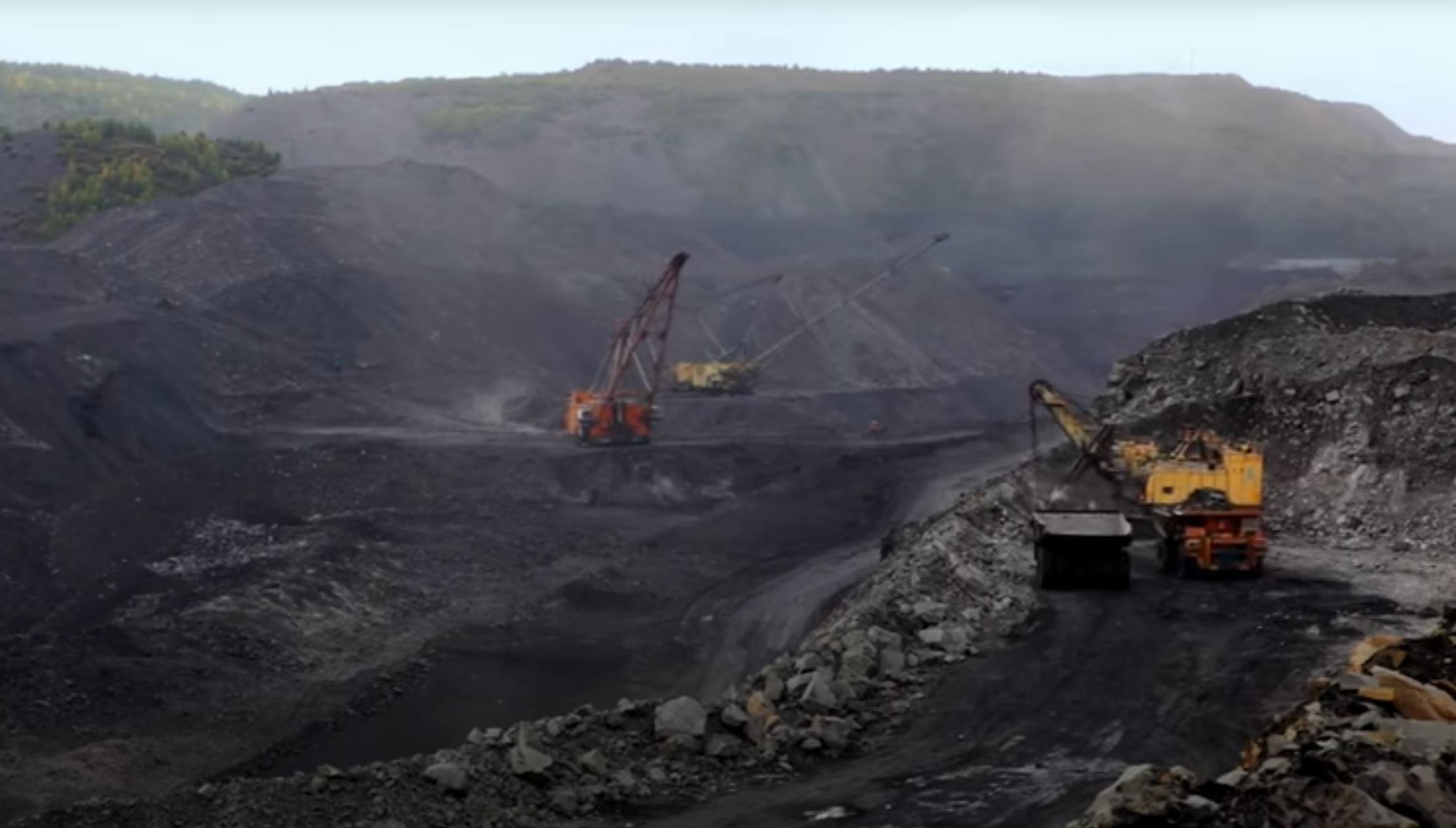
Yet alum shale presents a distinct challenge. Unlike conventional hard-rock uranium deposits, alum shale extraction historically required processing massive volumes of low-grade ore—up to 20 million tonnes annually in mid-20th century operations—generating substantial waste rock and acid drainage risks. Modern extraction techniques may mitigate these impacts, but municipalities in Jämtland and Västergötland remain justifiably sceptical given Sweden’s documented environmental monitoring data from previous operations.
This creates a paradox for investors: Sweden has vaulted to sixth place in global mining investment attractiveness rankings—a dramatic rise from 24th position just two years ago—yet project timelines face uncertainty where alum shale deposits intersect municipal boundaries. The government’s proposed “rapid investigation” to design a retroactive veto mechanism introduces regulatory ambiguity precisely when mining companies need clarity to commit capital.
Strategic Analysis: Beyond the Uranium Narrative
Pourmokhtari’s assertion that “this is not really about uranium, but rather about alum shale” reveals a critical insight for Nordic business leaders: the policy debate masks a deeper tension between mineral sovereignty and local consent in the green transition era.
Consider the strategic context:
– Energy security: Sweden plans to construct at least ten new large-scale nuclear reactors to achieve fossil-free electricity by 2045. Domestic uranium would reduce reliance on imports from Kazakhstan and Canada amid geopolitical volatility.
– Critical materials competition: While uranium grabs headlines, the rare earth elements and vanadium co-located in alum shale may hold greater long-term value for battery manufacturing and permanent magnets—sectors where Europe remains dangerously dependent on Chinese supply chains.
ESG premium: Nordic miners increasingly compete on sustainability credentials. LKAB’s recent designation as an EU strategic project under the Critical Raw Materials Act hinges on demonstrating world-leading environmental standards. A poorly managed alum shale project could undermine Sweden’s “green mining” brand just as global capital flows toward ESG-compliant extraction.
The municipal veto debate thus transcends local politics—it tests whether Sweden can develop a permitting framework that simultaneously satisfies EU strategic objectives, investor risk thresholds, and community environmental standards. Finland’s streamlined permitting process has attracted significant critical minerals investment; Sweden’s more decentralized approach risks ceding competitive advantage despite superior geological endowments.
The Path Forward
The government’s compromise—lifting the general uranium ban while preserving municipal leverage over alum shale—may prove unsustainable. Mining companies require regulatory certainty to justify billion-kronor investments with 20-year horizons. Municipalities demand meaningful influence over projects affecting water security and agricultural viability. Neither position is unreasonable.
What’s needed is not veto power per se, but a transparent benefit-sharing mechanism: guaranteed local employment quotas, direct municipal revenue shares from extraction, independent environmental monitoring with real-time public data access, and legally binding rehabilitation funds secured before operations commence. Such frameworks have succeeded in Canada’s Saskatchewan uranium belt and could be adapted to Sweden’s consensus-driven governance model.
Next Steps For Nordic Business Leaders
This article is the first in our “Critical Minerals Governance” series examining how Nordic nations navigate the tension between resource nationalism and local democracy. Our next instalment will analyse Finland’s centralized permitting model versus Sweden’s municipal approach—and quantify the investment differential these frameworks create. We’ll also profile three alum shale exploration projects currently navigating this regulatory uncertainty, with exclusive interviews from company executives and municipal leaders.
To contribute insights or request coverage of specific critical minerals projects affecting your business, connect with our resources desk at insights@nordicbusinessjournal.com Subscribers receive our monthly Critical Minerals Investment Tracker—a proprietary analysis of permitting timelines, ESG risk ratings, and capital allocation trends across the Nordic mining sector.