
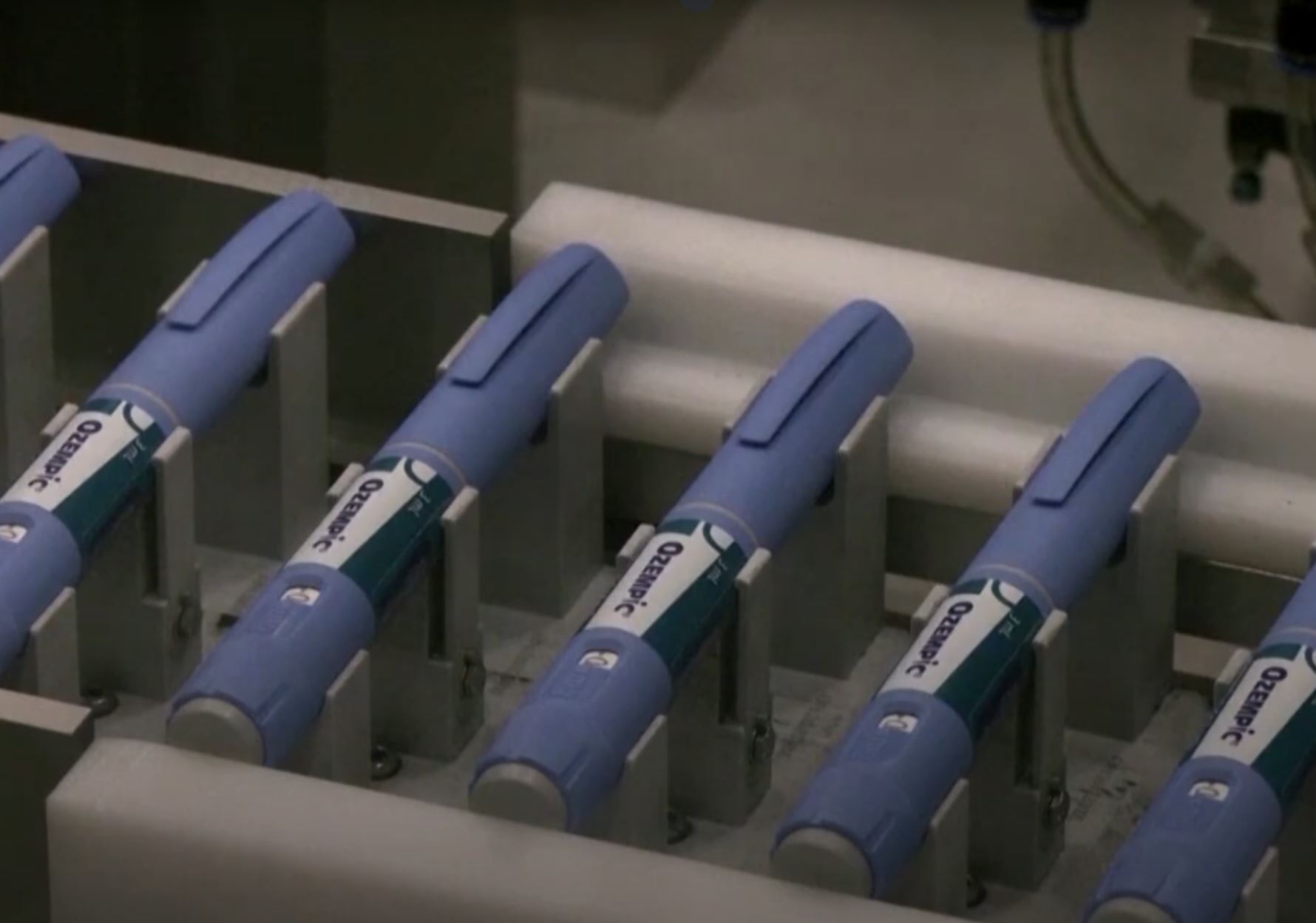
Stockholm, February 2026 — The Nordic region is experiencing an unprecedented surge in demand for GLP-1 receptor agonists—drugs like semaglutide (Ozempic®, Wegovy®) and tirzepatide (Mounjaro®, Zepbound®)—with Swedish pharmacy chain Apotek Hjärtat reporting an 86% year-on-year sales increase in 2025. In Västra Götaland alone, volumes rose 74%. While these medications represent a breakthrough in treating obesity-related comorbidities, a parallel trend is raising alarms across healthcare systems: patients increasingly self-adjusting dosages—known colloquially as “clicking”—to stretch prescriptions and reduce costs.
Pharmacists warn this practice carries significant clinical and economic risks. “We must advise against manual dose titration outside approved protocols,” says Marie Bozorgzadeh, lead pharmacist at Apotek Hjärtat. “Deviating from prescribed regimens risks both therapeutic failure and adverse events—from severe nausea to pancreatitis—potentially increasing long-term healthcare costs.”
Beyond the Hype: A Nordic Market in Transition
The phenomenon extends beyond individual behaviour. Nordic healthcare systems—long celebrated for universal coverage—are grappling with structural pressures:
– Access vs. Appropriateness: Investigative reporting in 2024 revealed that non-clinical users could obtain prescriptions through telehealth platforms with minimal scrutiny. Though Sweden’s Medical Products Agency (MPA) tightened digital prescription guidelines in late 2025, demand continues to outstrip supply, straining public formularies. Norway and Denmark have since introduced stricter BMI and comorbidity thresholds for reimbursement.
– The Counterfeit Economy: Europol’s 2025 Nordic Pharmaceutical Crime Report noted a 200% increase in seized counterfeit GLP-1 products across the region, predominantly sold via encrypted social channels. These unregulated vials—often diluted, mislabelled, or contaminated—pose severe patient safety risks while undermining legitimate supply chains.
– Payer Pushback: With annual treatment costs exceeding €10,000 per patient, Nordic insurers are reassessing coverage models. Sweden’s TLV (Dental and Pharmaceutical Benefits Agency) is piloting outcomes-based reimbursement tied to sustained weight loss and metabolic improvement—a model Finland adopted in Q4 2025.
The Business Imperative: From Crisis to Opportunity
For Nordic healthcare stakeholders, this moment demands strategic recalibration:
1. Pharmaceutical manufacturers must invest in patient support programmes that include dose-titration education and affordability schemes to reduce cost-driven non-adherence. Novo Nordisk’s recent partnership with Swedish primary care centres—providing nurse-led titration support—offers a replicable model.
2. Pharmacy chains can evolve from dispensers to adherence coaches. Apotek Hjärtat’s pilot “GLP-1 Care Pathways” programme, launched in January 2026, integrates pharmacist consultations with digital adherence tracking—reducing self-dosing incidents by 41% in early trials.
3. Health tech innovators are stepping in: Nordic startups like Norway’s DoseGuard are developing smart pens with Bluetooth-enabled dose logging, creating audit trails for prescribers and payers while deterring misuse.
“The real value of these drugs isn’t just weight reduction—it’s preventing diabetes, cardiovascular events, and joint surgeries,” notes Dr. Lena Bergström, health economist at Karolinska Institutet. “But that value evaporates if patients use subtherapeutic doses or unsafe products. The business case now hinges on appropriate utilisation, not just volume.”
Looking Ahead
As GLP-1 therapies move toward broader indications—including heart failure and Alzheimer’s prevention—the Nordic region stands at an inflection point. Will these drugs become a sustainable pillar of preventive healthcare, or a cautionary tale of market distortion? The answer depends on coordinated action across regulators, providers, and industry to align incentives with long-term health outcomes—not short-term cost avoidance.
What’s Next?
This article is the first in our Nordic Health Economics series. In our next edition, we’ll investigate how Nordic payers are redesigning reimbursement frameworks to prioritise value over volume—and whether outcomes-based contracts could become the new standard for high-cost therapies. We also explore the rise of “biosimilar” GLP-1 contenders and what their arrival means for market competition by 2028.
Have insights on GLP-1 market dynamics, regulatory shifts, or Nordic healthcare innovation? Connect with our editorial team at insights@nordicbusinessjournal.com or join the conversation on LinkedIn using NordicHealthEconomics.
— Nordic Business Journal: Where Business Meets Purpose —