
As Brussels escalates scrutiny of Chinese wind giant Goldwind, Nordic developers and manufacturers face a pivotal question: How do we secure affordable clean energy without surrendering our industrial base?
COPENHAGEN – In a move signalling deepening tensions in the global green technology race, the European Commission launched an in-depth investigation into Chinese wind turbine manufacturer Goldwind on February 3, 2026—just days ago—under its Foreign Subsidies Regulation (FSR). The probe examines whether Beijing provided improper financial support through grants, tax relief, and preferential loans that distort competition in Europe’s critical wind energy market.
This isn’t merely a regulatory footnote. With Goldwind having installed 881 megawatts of capacity across Europe by mid-2025—and Chinese wind turbine exports to the EU surging 65.9% year-on-year in 2025—the investigation arrives at a precarious moment for Europe’s energy transition. For Nordic business leaders navigating the region’s aggressive decarbonisation targets, the case crystallises a fundamental dilemma: balancing cost-effective renewable deployment against preserving Europe’s manufacturing sovereignty.
The Nordic Stakes: More Than Turbines
Denmark’s Vestas—the world’s second-largest turbine maker and a Nordic industrial crown jewel—has shown fragile signs of recovery after years of crisis, posting stronger onshore order intake in 2025 and achieving the upper end of its revised profit outlook. Yet the company suspended plans for a major Polish factory last year amid persistent margin pressure, illustrating how even Europe’s wind champions remain vulnerable.
Meanwhile, Nordic countries are accelerating wind deployment at unprecedented rates. Finland’s wind capacity grew 20% in 2024 alone, surpassing 2,000 turbines nationwide. Norway is advancing offshore wind ambitions despite defence-related setbacks in Sweden’s Baltic Sea projects. The Nordic power system’s wind share is projected to triple between 2010–2025, creating massive procurement opportunities—and strategic vulnerabilities.
Here lies the tension: Chinese manufacturers reportedly offer turbines at 20–30% lower prices than European counterparts, with deferred payment terms that ease developers’ cash flow constraints. For Nordic utilities racing to meet 2030 climate targets while managing grid integration costs, these economics are compelling. Yet European wind manufacturing capacity—projected at 32 GW annually by 2025—faces a demand shortfall as installations lag targets, threatening the very supply chain that underpins energy security.
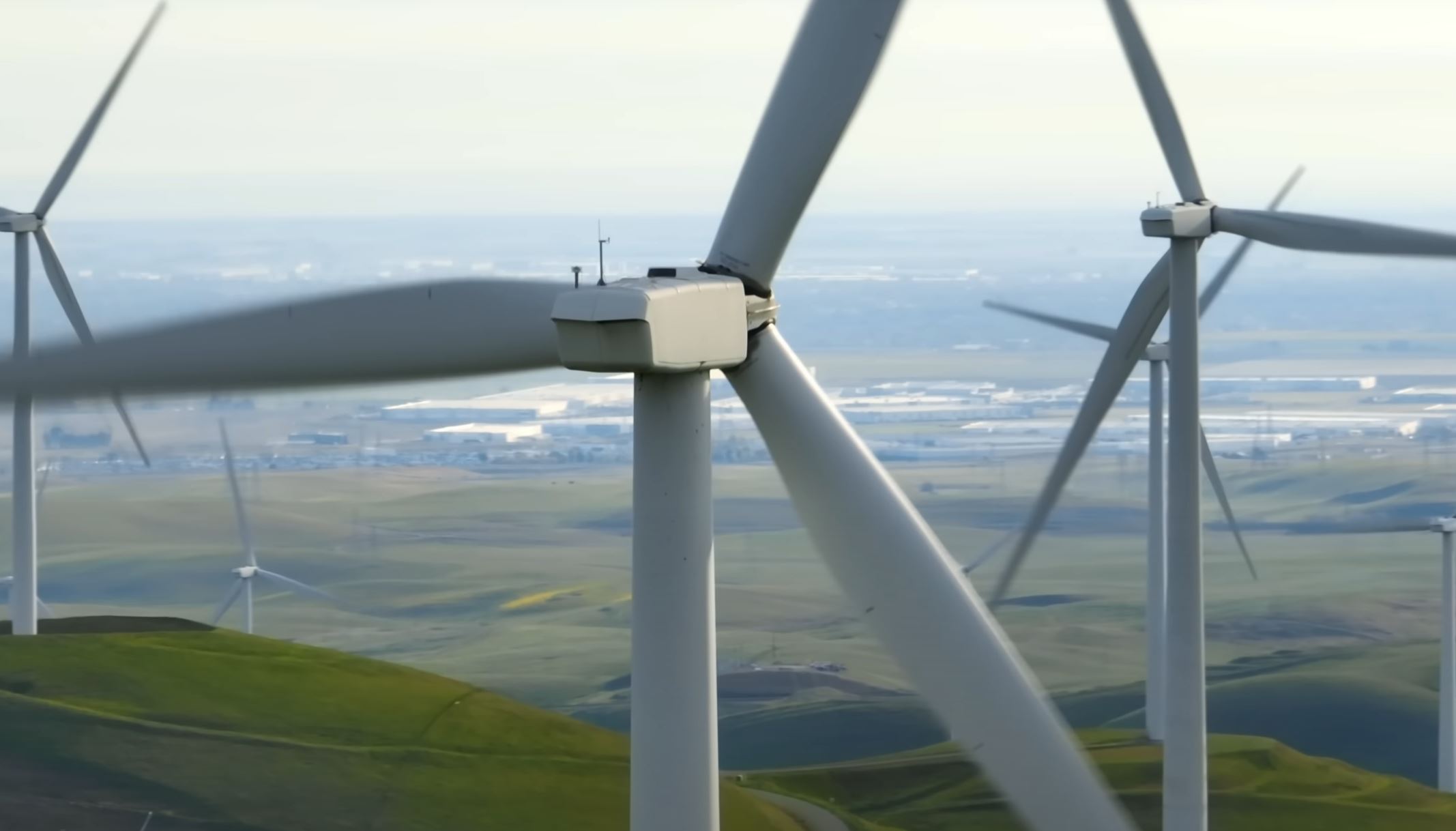
Beyond Tariffs: The FSR’s Strategic Calculus
Unlike traditional anti-dumping measures, the FSR targets distortions invisible to WTO rules: state-backed loans, land grants, and indirect subsidies that enable Chinese firms to operate at sustained losses while capturing market share. Since its 2023 implementation, the regulation has evolved from theoretical framework to enforcement reality—though Phase 2 investigations like Goldwind’s remain rare.
Critically, the probe does not automatically halt Goldwind’s European operations. With no interim measures imposed and a timeline extending into 2027, projects already contracted may proceed—creating uncertainty for developers who must weigh delivery risk against competitive pricing. This regulatory limbo particularly affects offshore wind, where Goldwind has signalled ambitions through floating turbine innovations and a planned Turkish manufacturing facility positioning it at Europe’s periphery.
The Strategic Path Forward for Nordic Business
Three implications demand Nordic executives’ attention:
1. Supply chain diversification isn’t optional – Europe’s near-total reliance on domestic manufacturers for offshore wind (92% market share in 2024) masks fragility. As Vestas and Siemens Gamesa navigate recovery, prudent developers should map dual-sourcing strategies that balance Chinese cost advantages with European delivery certainty—while monitoring FSR compliance risks.
2. Industrial policy is becoming procurement policy – The EU’s “de-risking” agenda increasingly links public tenders to local content requirements. Nordic governments may follow France and Germany in mandating domestic manufacturing shares for subsidised projects. Forward-looking developers should engage early with policymakers shaping these frameworks.
3. The real competition isn’t price—it’s innovation velocity – China’s dominance in turbine scale (16+ MW offshore models) challenges European engineering leadership. Nordic firms like Denmark’s Vestas must accelerate R&D in floating offshore, hybrid systems, and grid-forming inverters where European expertise remains decisive. This isn’t protectionism—it’s strategic differentiation.
The Larger Question
The Goldwind investigation reflects a broader recalibration: Europe can no longer treat clean energy purely as a commodity market. As WindEurope warns, without decisive industrial policy, “Europe will lose its wind industry—just as it lost its solar manufacturing”. For Nordic nations—simultaneously energy exporters, technology innovators, and climate leaders—the stakes transcend turbine procurement. They concern whether Europe retains the manufacturing muscle to control its own decarbonization trajectory.
The outcome won’t be decided in Brussels alone. It will be shaped by Nordic boardrooms choosing between short-term savings and long-term resilience, by pension funds financing projects with explicit supply chain criteria, and by governments aligning climate and industrial strategies. In the green transition, energy security now means industrial sovereignty.
What’s Next?
This investigation opens a critical chapter in EU-China green tech relations. In our next issue, Nordic Business Journal will examine how Danish and Finnish developers are navigating turbine procurement amid subsidy uncertainty—and whether “green protectionism” is becoming Europe’s new industrial doctrine. We invite wind energy executives, policymakers, and supply chain leaders to share their strategic responses. Connect with our editorial team at insights@nordicbusinessjournal.com to contribute perspectives for our upcoming deep-dive on Nordic wind supply chain resilience.