
Introduction: A Bold Move and Immediate Backlash
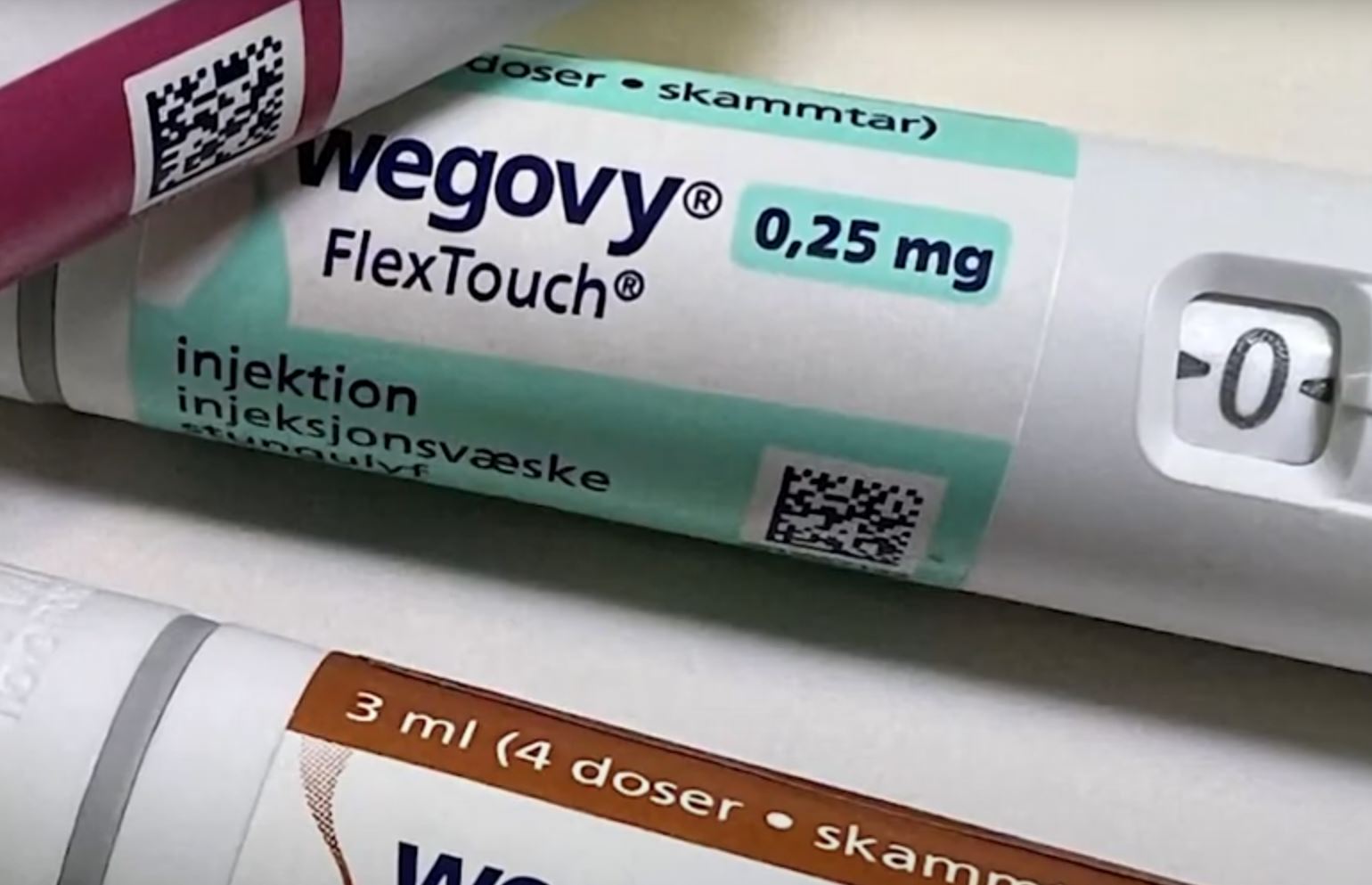
On February 5, 2026, Hims & Hers, a telehealth company known for its innovative approach to healthcare, made a high-stakes move by launching a compounded version of Novo Nordisk’s groundbreaking Wegovy pill—the first oral GLP-1 weight-loss medication approved by the FDA. The new medication was offered at a significant discount: $49 for the first month, increasing to $99 thereafter. This price point was far below Novo Nordisk’s $149 monthly cost for the branded version, making it an immediate disruptor in the lucrative and competitive obesity treatment market.
The initial market reaction was swift and dramatic. Novo Nordisk’s shares dropped by 7%, and rival Eli Lilly saw similar declines. Investors feared that the new, lower-priced offering from Hims & Hers could spark a pricing war, eroding margins in an already competitive sector. Meanwhile, Hims & Hers saw a short-term surge in its stock price, as investors appeared to view the move as an opportunity for the company to capture a substantial share of the obesity treatment market.
The Immediate Counterstrike: Novo Nordisk’s Legal Response
Within hours of the announcement, Novo Nordisk responded aggressively, labelling Hims & Hers’ product as “an illegal product” and raising alarms about potential risks to patient safety. The Danish pharmaceutical giant’s legal team emphasized that the compounded Wegovy pill violated several aspects of intellectual property law, including the company’s patent protection for semaglutide, which extends until 2032 in the U.S.
Novo’s statement also highlighted the proprietary SNAC technology used in the branded Wegovy pill to enhance oral absorption—technology that Hims & Hers could not replicate in its compounded version. In a pointed rebuke, Novo accused Hims & Hers of engaging in “historic behaviour of duping the American public with knock-off GLP-1 products,” a line of attack aimed at discrediting the company’s market positioning and credibility.
The FDA Enters the Arena
The situation escalated quickly, with the U.S. Food and Drug Administration (FDA) entering the fray the following day. On February 6, 2026, FDA Commissioner Marty Makary took to social media to announce that the agency would take “swift action” against companies marketing unapproved medications. The FDA further stated that it would take “decisive steps to restrict GLP-1 active pharmaceutical ingredient compounding.”
This was not the FDA’s first confrontation with Hims & Hers. In September 2025, the agency had issued a warning letter to the company, citing “false and misleading” claims about compounded semaglutide products. The FDA’s position was clear: compounded drugs are not approved or evaluated for safety, effectiveness, or quality, which left Hims & Hers in a precarious position.
The Collapse: A 48-Hour Product Lifecycle
Just two days after the initial product launch, Hims & Hers backpedalled entirely. On February 8, 2026, the company issued a statement announcing that it would cease sales of the compounded Wegovy pill. In its brief statement, the company cited “constructive conversations with other stakeholders in the industry” as the reason for its decision. Despite the swift reversal, Hims & Hers reaffirmed its commitment to “safe, affordable, and personalized care,” leaving open the question of whether its existing compounded injectable semaglutide products would face similar regulatory scrutiny.
This retreat marked a dramatic end to what had been a brief and contentious partnership between Novo Nordisk and Hims & Hers. In April 2025, the two companies had joined forces to transition patients from compounded versions of semaglutide to the FDA-approved Wegovy as the latter’s market supply issues began to resolve. However, the partnership soured quickly, and by June 2025, Novo Nordisk had ended the collaboration, accusing Hims & Hers of “deceptive promotion” and selling “illegitimate, knockoff versions” of the drug.
The Broader Industry Context: Legal Loopholes and Market Disruption
The saga highlights the growing tension in the pharmaceutical and telehealth industries as compounding pharmacies seek to exploit legal loopholes to offer “personalised” medications outside the traditional regulatory framework. Meanwhile, brand-name manufacturers like Novo Nordisk are forced to protect their billion-dollar franchises from what they view as unauthorised competition that threatens their market share and profit margins.
The controversy also underscores the challenges regulators face in policing the grey market for unapproved drugs. While compounding pharmacies offer potential benefits in terms of affordability and access, they operate in a regulatory grey area, often outside the purview of the FDA. For consumers desperate for affordable weight-loss treatments, these compounded options can appear enticing, even if they lack the rigorous testing and approval processes that safeguard the safety and efficacy of FDA-approved drugs.
For Novo Nordisk, the legal victory against Hims & Hers comes at a time of heightened market pressure. The company is projecting declines in sales for 2026, with some analysts forecasting drops of 5-13%. Furthermore, Novo faces increasing competition from Eli Lilly’s obesity drugs, which continue to gain traction in the market.
Hims & Hers, on the other hand, faces a significant setback. The company, which has already seen its stock price drop by 60% since its May 2025 peak, will need to rethink its strategy in the face of mounting regulatory and market challenges.
What Happens Next: Regulatory Clarity or Continued Chaos?
The Hims & Hers debacle raises critical questions for the future of the obesity treatment market. With the FDA now referring the case to the Department of Justice for investigation, and Novo Nordisk likely to pursue civil litigation, the legal battles are far from over. However, the broader issue remains: can the regulatory framework evolve to address the complexities of mass-market compounding, or will this case set a precedent that closes the door on such practices?
This episode could mark a turning point in the ongoing debate over the role of compounded medications in the U.S. healthcare system. Will it lead to clearer regulations, or will the grey market continue to flourish, creating uncertainty for both patients and pharmaceutical companies?
Looking Ahead: Navigating the Future of Obesity Treatments
As the legal and regulatory drama unfolds, patients, healthcare providers, and pharmaceutical companies will continue to monitor the situation closely. Hims & Hers’ rapid retreat offers a stark reminder of the risks involved in challenging established players in the pharmaceutical industry. At the same time, it underscores the growing need for clarity in the regulation of compounded drugs—especially as the demand for affordable and effective obesity treatments continues to rise.
In our next article, we will dive deeper into the future of GLP-1 weight-loss medications, exploring the evolving landscape of pricing, competition, and patient access. We’ll also examine the role of telehealth companies like Hims & Hers in shaping the future of personalized medicine and how they navigate regulatory challenges.
Connect With Us
For more insights and updates on the rapidly evolving healthcare landscape, stay tuned to the Nordic Business Journal. Join the conversation by connecting with us on social media or sending your thoughts to our editorial team at info@nordicbusinessjournal.com.