
January 2026 saw Europe experience its coldest start to the year in over a decade, with temperatures averaging just 2.34°C, as reported by the EU’s Copernicus Climate Service. This sharp drop in regional temperatures has garnered significant attention, particularly as it contrasts with broader global climate patterns, which continue to exhibit concerning warming trends.
The chill across much of Europe was part of a wider cold snap that also gripped parts of the United States, underscoring the volatility of weather systems in a world increasingly impacted by climate change. Despite the localized cold front, this January was, in fact, the fifth warmest on record globally, with temperatures 1.47°C above pre-industrial levels. This data serves as a stark reminder of the paradox at the heart of contemporary climate phenomena: while some regions experience extreme cold, global temperatures continue to trend upwards.
A Deeper Look at the Global Picture
Copernicus, the EU’s climate monitoring body, found that this January’s global temperature anomaly of 1.47°C over pre-industrial levels was significantly above the 20th-century average. Despite the wintry conditions in Europe and the U.S., the overall warming of the planet remains undeniable. The polar vortex in the Northern Hemisphere, which influenced the cold temperatures in Europe, is a temporary fluctuation within a broader pattern of rising global temperatures driven by human activity, primarily the burning of fossil fuels.
While weather events like the January cold snap make headlines, they underscore the wider trend of climate change-induced unpredictability. The impact of these fluctuations is increasingly felt in sectors such as agriculture, energy, and insurance, where extreme weather patterns—both hot and cold—are disrupting supply chains, production schedules, and the global economy.
Implications for Northern Europe
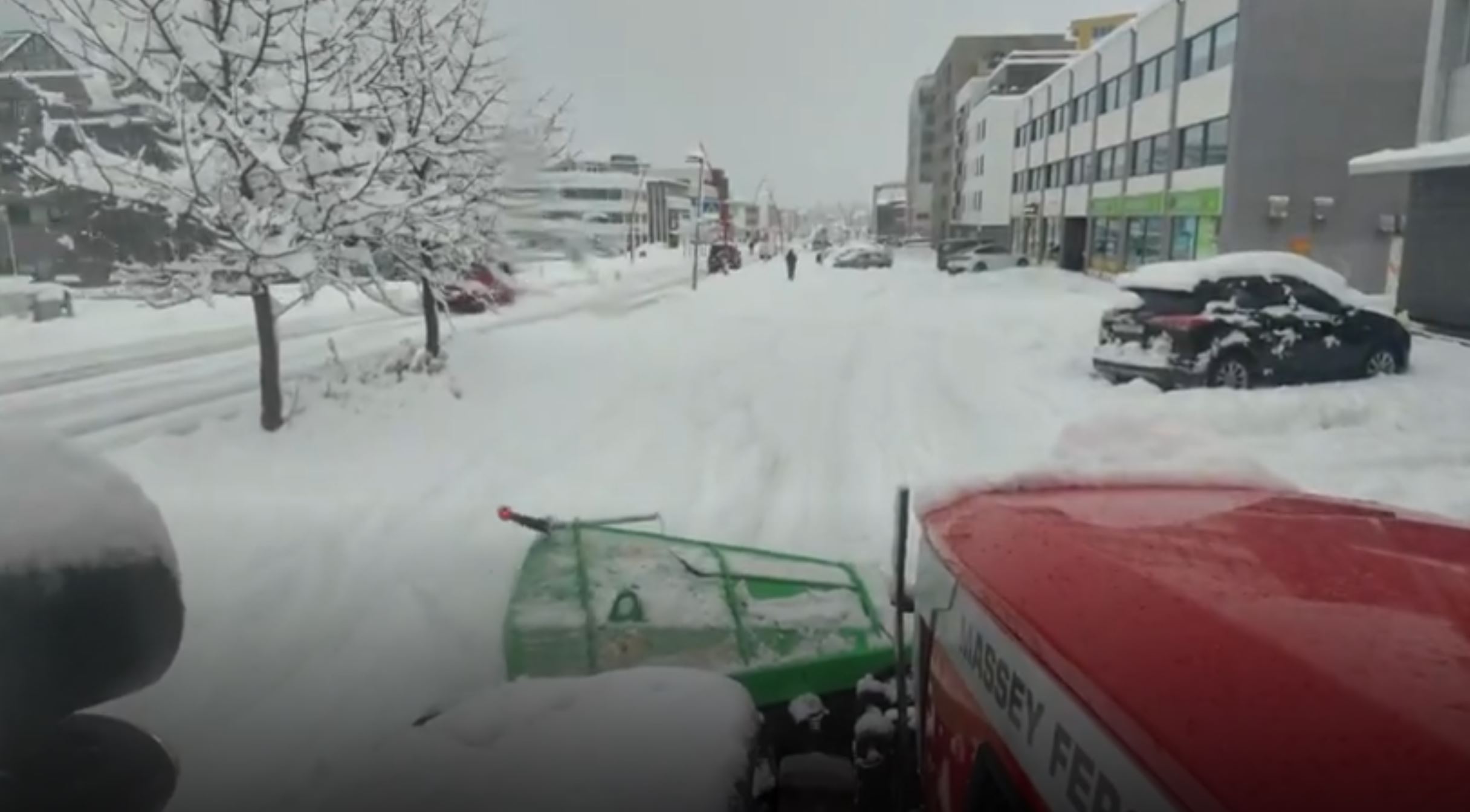
In the Nordic region, the January cold snap highlighted the vulnerability of infrastructure to extreme cold, especially in areas that are more accustomed to milder winter conditions. Northern Europe, already facing challenges from more frequent storms and rising sea levels, will have to prepare for increasingly erratic weather patterns. For example, countries like Finland, Sweden, and Norway are already seeing shifts in seasonal norms, with warmer winters and hotter summers becoming more frequent. This trend raises critical questions about the future of winter tourism, energy demand, and the long-term sustainability of industries dependent on predictable weather patterns.
The Need for Adaptation and Mitigation
In the face of such unpredictable and extreme weather patterns, governments, businesses, and individuals across Europe must continue to focus on both adaptation and mitigation strategies. Renewable energy investments, smarter infrastructure, and resilient agricultural practices will play key roles in preparing for future climate extremes. Importantly, the Nordic region’s progress in clean energy technology, including offshore wind farms and innovative geothermal solutions, positions it as a potential leader in the global transition to a low-carbon economy.
The EU has set ambitious climate goals for the coming decades, aiming to cut greenhouse gas emissions by 55% by 2030 and to achieve net-zero emissions by 2050. However, with the pace of warming continuing to exceed predictions in some regions, the urgency of these targets has never been greater.
Looking Ahead: The Path Forward
The January cold snap in Europe serves as a reminder of the volatility and unpredictability inherent in a warming world. While regions experience colder-than-average winters, global temperatures remain on an upward trajectory, with long-term trends pointing toward even more extreme weather events. For businesses, governments, and individuals across the Nordic region and Europe as a whole, preparing for a future defined by both extremes of temperature and unpredictable weather is no longer optional—it’s imperative.
Next Steps and a Call to Action
As we continue to track these patterns, the next article in our series will delve into the role of renewable energy in mitigating the effects of climate change in Northern Europe. We will explore the cutting-edge technologies driving the transition to sustainable energy systems and the economic opportunities this shift presents.
We encourage our readers to stay informed on this critical issue and invite you to connect with us to discuss how your business or organisation is adapting to the changing climate landscape. Join the conversation and stay engaged as we explore the future of a rapidly changing environment.
Follow-up Direction:
Next time, we will dive into the evolving energy landscape in the Nordic region—examining how renewable energy solutions are shaping the future of business and industry across Northern Europe. Stay tuned! To join the conversation or share your insights, connect with us through our website or social media channels.
Share insights with our editorial team at insights@nordicbusinessjournal.com —we feature reader perspectives in our monthly Energy Strategy Briefing.