
Sweden’s corporate lending environment is becoming increasingly challenging, particularly for small and medium-sized enterprises (SMEs). Recent data from the Riksbank highlights a stark contrast between Sweden’s lending practices and those in other European countries. While the country’s large financial institutions exhibit minimal credit losses, they impose much stricter loan conditions than their European counterparts—putting Swedish SMEs in a particularly difficult position.
The Credit Dilemma for Small and Medium-Sized Businesses
As the economic landscape becomes more volatile, securing financing is proving increasingly difficult for Swedish SMEs. A recent analysis from Företagarna, the Swedish Federation of Small and Medium Enterprises, reveals that a mere 10% of new lending by Swedish banks is directed towards small and medium businesses. The rest? Larger companies, which continue to secure a larger share of loans.
This trend is consistent with what was reported by the swedish business site Dagens PS back in November. According to Karl Ernlund, chief economist at Företagarna, the problem is not the lack of demand but rather the lack of opportunities. “It’s not that you don’t want to borrow, but often you don’t get the chance,” Ernlund explained. Many SME owners cite three major barriers: high security requirements, lenders’ lack of understanding of their businesses, and the expensive cost of credit.
While the data is alarming, it is also a reflection of a broader European trend that’s been exacerbated by Sweden’s own banking landscape. In many regions across Europe, the SME financing process remains relatively accessible, though this may be shifting as the economic situation evolves.
Sweden’s High Collateral Requirements: A Strain on SME Access to Credit
A particularly striking feature of Sweden’s lending system is its heavy reliance on collateral. Between 2019 and 2023, a staggering 83% of all corporate loans in Sweden were secured with collateral, according to the Riksbank’s latest report. This figure starkly contrasts with the European average, where only 25% of loans are secured against real estate mortgages.
This disparity places Swedish SMEs at a significant disadvantage, as securing collateral is a challenge for many small businesses, particularly those without substantial assets. These businesses are often left in the cold, unable to pursue investments or expand operations due to stringent loan conditions that are simply out of reach.
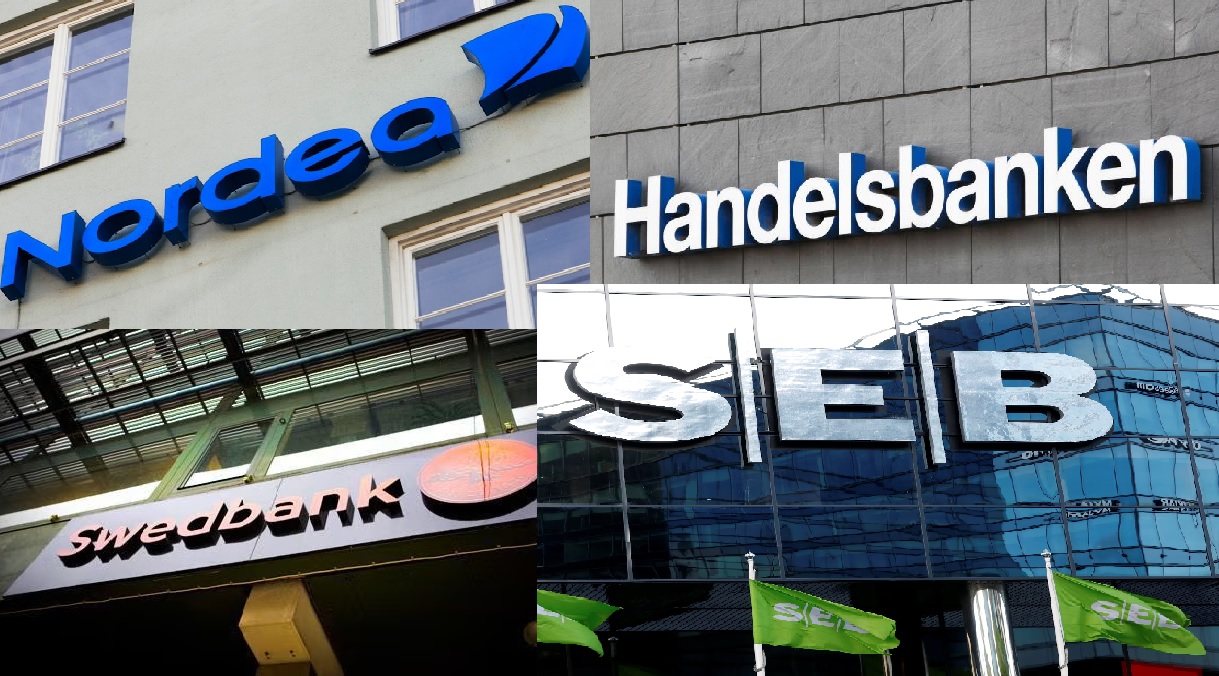
The Impact of Bank Branch Closures on Smaller Enterprises
Adding to the difficulty, the closure of local bank branches has disproportionately affected the smallest businesses. According to Professor Bo Becker, a commerce expert from Stockholm University, smaller enterprises are being hit hardest by this shift. “The smallest companies are in a pinch,” he stated, emphasizing that the loss of access to physical banking services has created a deeper divide in lending accessibility between large corporations and SMEs.
This trend may have lasting effects on Sweden’s business landscape, as small businesses—critical drivers of innovation and local employment—find it increasingly difficult to access the capital needed to stay competitive.
Minimal Credit Losses: The Flip Side of Tight Lending
While Sweden’s stringent loan requirements are undoubtedly a barrier to growth for many SMEs, they also provide some benefits for the country’s banking system. Data from the Riksbank reveals that Swedish banks have experienced minimal credit losses compared to their European counterparts, registering only 0.06% of their total loan stock in non-performing loans. In comparison, the average for banks in the Eurozone stands at 0.49%.
On the surface, this paints a picture of financial stability and risk aversion within Sweden’s banking sector. While this prudent approach has helped safeguard the banks against significant losses, it also highlights the difficulty faced by Swedish SMEs in securing loans. For many businesses, especially those looking to invest in innovation or expansion, the stringent lending environment could stifle growth and contribute to stagnation.
Looking Ahead: The Need for More Inclusive Credit Policies
As Sweden moves forward, there is a pressing need for reforms in the corporate lending landscape—especially for small and medium-sized businesses. Financial institutions and policymakers should explore alternatives that make credit more accessible to SMEs without jeopardizing the stability of the banking system. This could involve reevaluating collateral requirements, introducing more flexible loan conditions, or exploring innovative lending models such as fintech solutions or government-backed credit guarantees.
In the coming months, we will delve deeper into these solutions, exploring how Sweden’s financial sector could evolve to better support SMEs without sacrificing the stability that has kept the country’s banks resilient during turbulent times.
Next Steps and Reader Engagement
In our upcoming article, we will explore potential reforms to the corporate lending system in Sweden and investigate how other Nordic countries are addressing similar challenges. We also invite our readers to connect with us through social media channels or directly via email to share their thoughts on the current credit landscape. How do you think Sweden can balance the need for financial stability with the growth needs of its SMEs? Stay tuned, and don’t hesitate to reach out with your insights or questions! insights@nordicbusinessjournal.com