
OSLO — NATO formally activated its Arctic Sentry mission this week, consolidating allied military operations across the High North under a single command structure—a move that signals not just heightened security vigilance but profound economic implications for Nordic enterprises operating in an increasingly accessible Arctic.
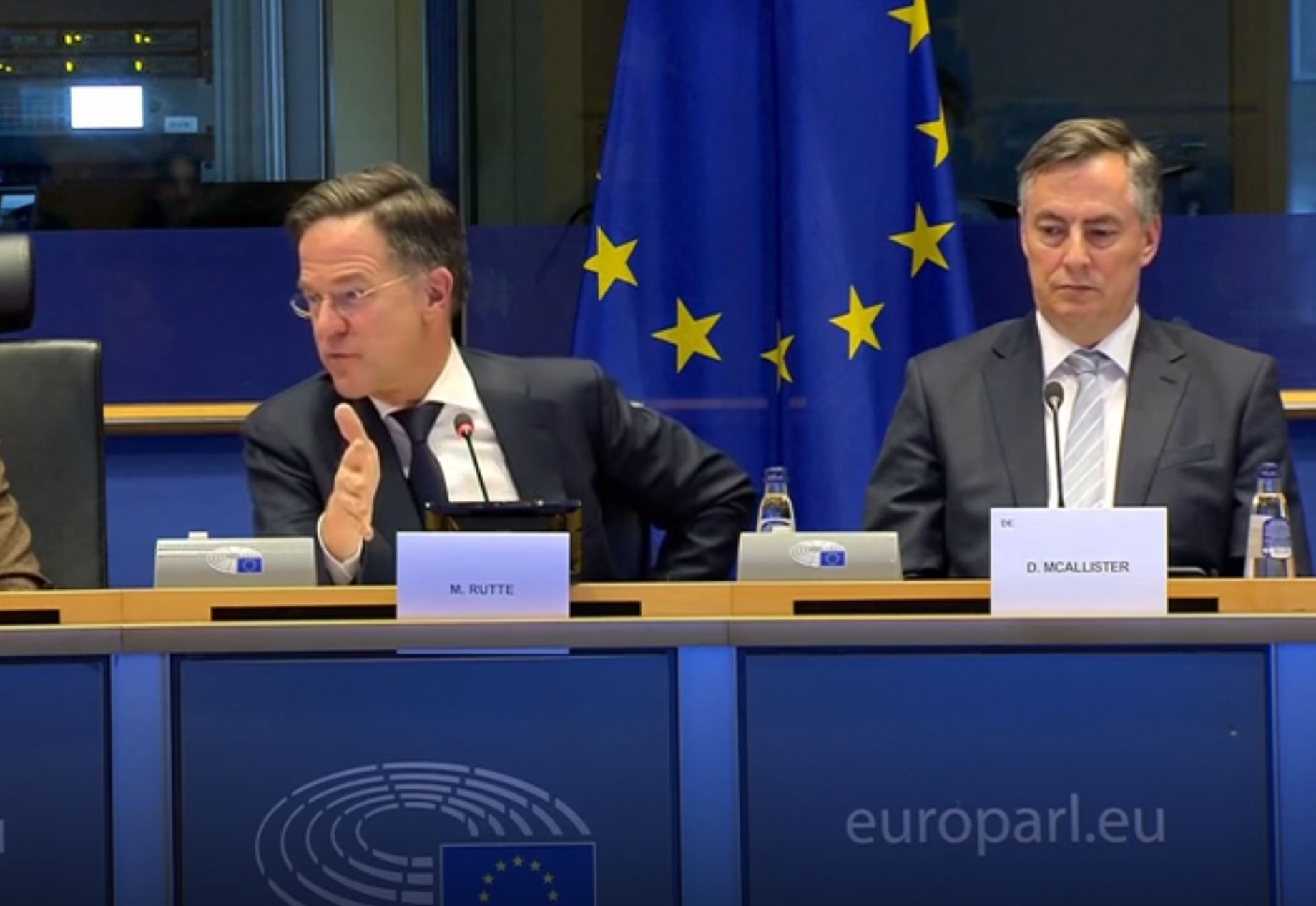
Unlike reactive missions launched after specific provocations (such as Baltic Sentry following Russian airspace violations), Arctic Sentry represents a proactive strategic recalibration. As NATO Secretary General Mark Rutte stated at Wednesday’s launch: “For the first time we will bring together everything we do in the Arctic under the same command.” This integration spans air policing, maritime surveillance, and multinational exercises—including Norway’s Cold Response 2026 and Denmark’s Arctic Endurance—creating a unified operational framework across NATO’s northern flank.
Why This Matters to Nordic Executives
The mission’s timing reflects converging geopolitical and commercial pressures that directly impact Nordic business interests:
1. Shipping economics are reshaping Arctic logistics
While Russia’s Northern Sea Route saw cargo volumes decline 6.3% in 2025 to 87.1 million tonnes amid sanctions constraints, Chinese shipping firms are aggressively piloting container services through Arctic waters [[28]]. For Nordic logistics firms and port operators, this creates both opportunity and risk: shorter China-Europe transit times (18–20 days versus 40–50 via Suez) could redirect trade flows toward Arctic-capable Nordic ports—but only if infrastructure investments keep pace. Denmark’s recent DKK 27.4 billion Arctic defence and infrastructure package signals recognition that security and commercial viability are now inseparable.
2. Defence industrial expansion is accelerating
With Sweden’s full integration into NATO planning following its March 2024 accession—and Finland’s established role since 2023—Nordic defence spending is surging. Norway’s historic EUR 52.2 billion long-term defence plan and pan-Nordic exploration of joint defence industry loans are creating unprecedented procurement opportunities. Companies specializing in cold-weather logistics, satellite communications, ice-capable vessels, and surveillance technology should position now for multi-year contracts tied to Arctic Sentry’s operational demands.
3. Resource access is becoming geopolitically contested
Greenland’s mineral wealth—critical for rare earths and battery metals—has intensified great-power interest beyond Trump’s 2019 rhetoric. China’s Arctic LNG imports jumped from 4% (2018) to 11% (2023), while Beijing deepened scientific and economic cooperation with Russia across the region in 2025. For Nordic mining firms and service providers, Arctic Sentry’s presence may provide the security framework necessary to advance resource projects previously deemed too risky—but regulatory competition from non-Western actors will intensify.
4. Climate-driven accessibility demands new risk models
Arctic ice melt is no longer a distant projection; central Arctic routes became navigable for icebreakers during late summer 2025. Insurance providers, energy firms, and fisheries must recalibrate risk assessments as human activity expands into previously inaccessible zones—precisely where NATO now asserts persistent presence.
Strategic Context: Beyond the Headlines
The mission follows January’s Davos meeting between President Trump and Secretary General Rutte, where both acknowledged shared interests in Arctic stability despite earlier tensions over Greenland’s strategic value. Crucially, Arctic Sentry leverages Sweden’s operational capabilities—including its six Gripen fighters currently conducting air policing over Iceland—as fully integrated NATO assets, a capability unavailable prior to Stockholm’s 2024 accession.
A senior NATO official acknowledged the alliance is “a little ahead of the curve” in deploying Arctic Sentry pre-emptively—but “still a little behind, because the Arctic has long been identified as strategically important.” For Nordic businesses, that gap between strategic recognition and operational reality represents both vulnerability and opportunity.
Next Steps For Nordic Leaders
This article is the first in our Arctic Security & Commerce series. Next month: “The Nordic Defence Dividend”—a deep dive into how Norway’s EUR 52bn buildup, Sweden’s Gripen E/F expansion, and Denmark’s Arctic infrastructure investments are creating supply chain opportunities for non-defence Nordic firms in cybersecurity, renewable energy microgrids, and cold-climate logistics. Companies positioning now will secure first-mover advantage as NATO’s northern flank transitions from contingency planning to permanent presence.
How is your organisation adapting to the commercial implications of Arctic militarisation? Share insights with our editorial team at insights@nordicbusinessjournal.com – we feature reader perspectives in our quarterly executive briefings.