
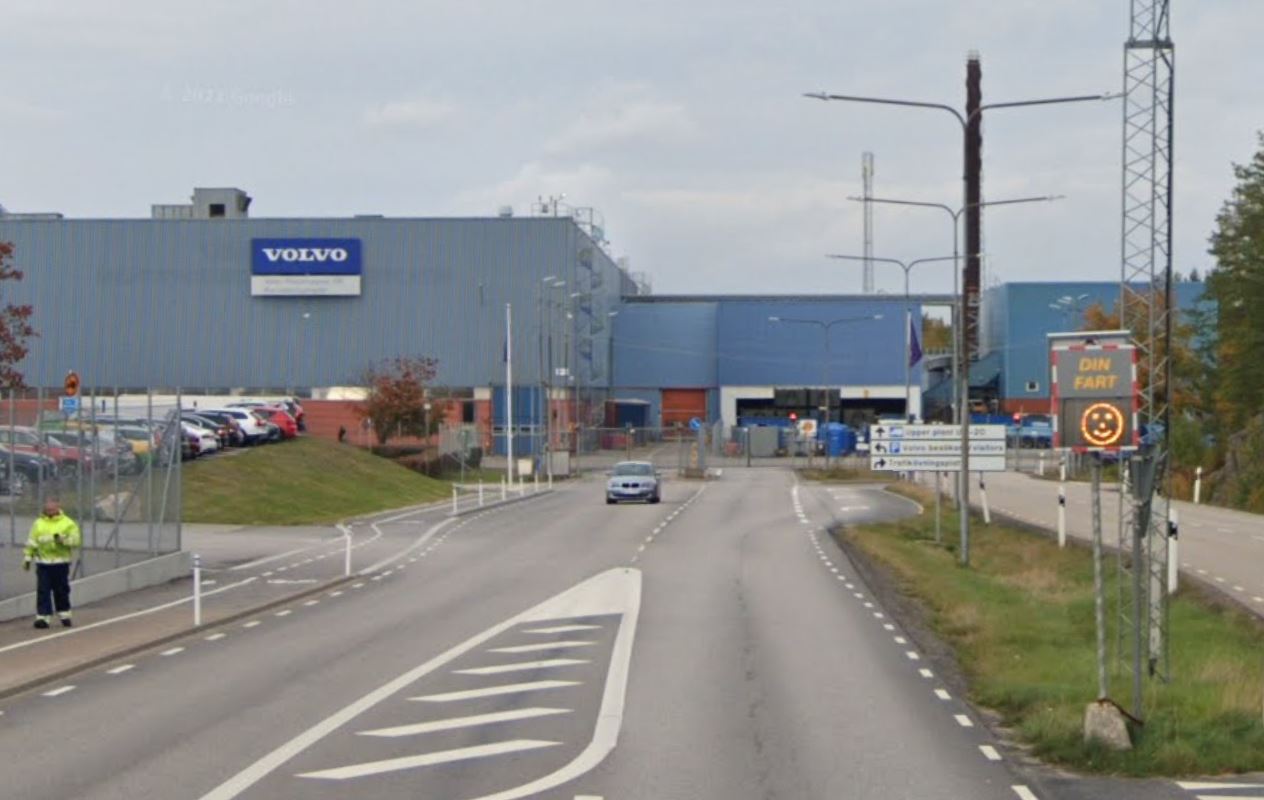
STOCKHOLM — In a case that exposes the tension between Nordic industrial strategy and environmental rigor, Sweden’s Environmental Protection Agency (Naturvårdsverket) has appealed a key condition in Volvo Group’s permit for its planned battery cell factory in Mariestad. While accepting the permit itself, the agency is contesting the Land and Environmental Court’s approval of a 20-year startup period—arguing it should be capped at 12 years to ensure operations deploy best available technology (BAT) when finally commissioned.
The dispute arrives at a precarious moment for Sweden’s battery ambitions. With Northvolt’s Skellefteå gigafactory ceasing cell production in mid-2025 amid insolvency proceedings, and Volvo Cars recently placing its Novo Energy battery subsidiary into hibernation while seeking a technology partner, the Mariestad project represents one of Sweden’s few remaining large-scale domestic battery manufacturing prospects. For Volvo Group—the truck and bus manufacturer, distinct from Volvo Cars—the facility is critical to securing supply for its heavy-duty electric vehicle roadmap amid intensifying EU regulatory pressure.
The Business Stakes: Timeline Risk in a Shifting Regulatory Landscape
The agency’s objection centres on a fundamental principle of EU environmental law: BAT requirements must reflect current technological standards at the time of operation, not permit approval. “If a long time passes between decision and implementation, there is a risk that the conditions will become outdated,” warns Petter Larsson Garcia, environmental lawyer at the agency’s Industry Unit—a concern amplified by the EU Battery Regulation’s phased implementation through 2026–2027. Carbon footprint disclosure mandates took effect in August 2025, with digital battery passports becoming compulsory for EV batteries in February 2027, meaning a facility commissioned in the 2040s could face obsolete compliance frameworks.
For Nordic executives, this case crystallizes a strategic dilemma: aggressive timelines risk capital misallocation in a volatile battery market, while extended horizons invite regulatory obsolescence and stranded asset risk. The 20-year window reportedly accommodates phased expansion aligned with Volvo Group’s electrification roadmap—but in an industry where cell chemistry, recycling requirements, and supply chain geopolitics shift rapidly, such flexibility carries significant ESG and financial exposure.
Nordic Context: Industrial Policy Meets Environmental Stringency
Sweden’s position within the Nordic battery value chain hangs in the balance. Finland leads in raw material processing and cathode production; Norway leverages hydropower for low-carbon refining; but Sweden’s hoped-for advantage in cell manufacturing now faces existential questions. With the Nordic Battery Collaboration actively promoting regional integration ahead of its May 2026 summit in Tampere, Sweden cannot afford prolonged uncertainty around flagship projects.
Critically, the Land and Environmental Court of Appeal’s forthcoming ruling could establish precedent for dozens of pending industrial permits across the Nordics—particularly for energy-intensive facilities where environmental approvals now routinely include technology-refresh clauses. Companies planning multi-decade capital deployments must now model regulatory revision risk alongside traditional market and execution variables.
Strategic Implications for Nordic Executives
1. Permit Architecture Matters: Future industrial permits should embed mandatory technology-review milestones (e.g., at 7 and 14 years) rather than fixed end-dates, allowing environmental standards to evolve without jeopardizing project viability.
2. ESG Disclosure Exposure: Extended startup periods create reporting complications under EU sustainability frameworks. How does a company disclose Scope 3 emissions for a facility permitted today but operating with unknown future technology?
3. Competitive Vulnerability: While Sweden debates timelines, gigafactories in Germany, Poland, and Hungary advance under more predictable (if less stringent) regulatory regimes—potentially locking Nordic OEMs into third-party supply dependencies.
The Mariestad case ultimately tests whether Nordic environmental leadership can coexist with industrial urgency in the race for strategic autonomy. As one industry observer noted off-record: “We’re regulating for perfection while competitors ship product. Climate goals demand both speed and sustainability—but our frameworks aren’t built for that balance.”
Next Steps For Nordic Leaders
This case signals a broader reckoning for Nordic industrial policy. Our next analysis will examine how Finland and Norway are structuring “adaptive permitting” frameworks that embed technology-refresh triggers without sacrificing environmental integrity—and what lessons Swedish regulators might draw. We invite Nordic executives navigating complex permitting processes to share insights with our editorial team at insights@nordicbusinessjournal.com.
Your experiences will inform our upcoming special report: “The Nordic Permit Paradox: Can Environmental Excellence Accelerate—Not Delay—Industrial Transformation?”