
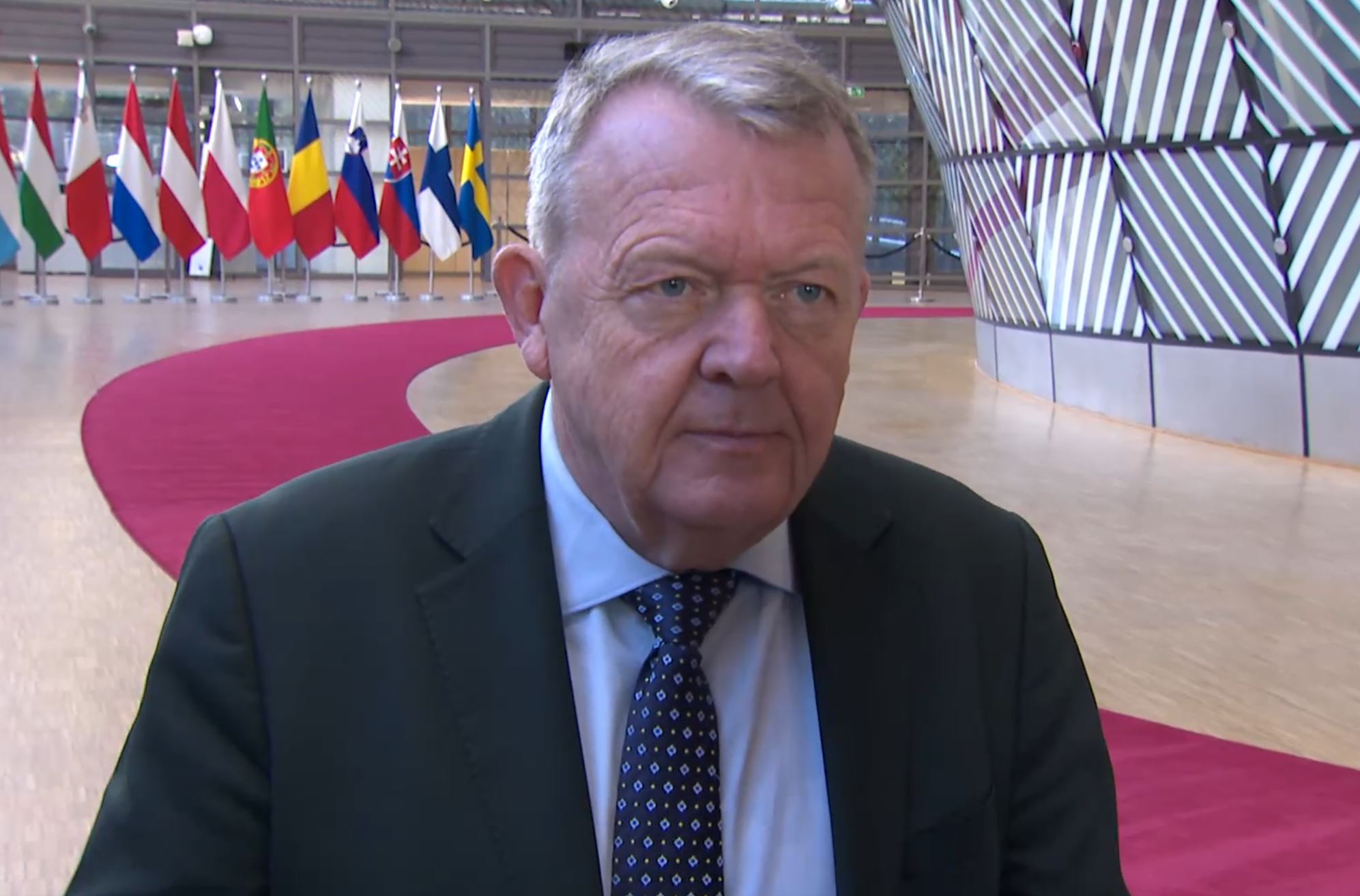
MUNICH/KIGALI — When Danish Foreign Minister Lars Løkke Rasmussen coined the phrase “the Greenlandic moment” at last year’s Munich Security Conference, he captured more than diplomatic rhetoric—he identified a strategic inflection point now reshaping European security architecture and Nordic commercial horizons. With Donald Trump’s renewed push to acquire Greenland early in his second term—declaring the territory “essential for hemispheric security” in December 2024—the Arctic island has transformed from a peripheral concern into the epicentre of transatlantic strategic recalibration.
For Nordic executives, this moment carries profound commercial implications. Greenland sits atop approximately 1.5 million tonnes of rare earth oxide reserves—comparable to China’s current dominance—and hosts deposits of lithium, uranium, and critical minerals essential for everything from EV batteries to defence systems. As U.S. pressure intensifies and China maintains its foothold through mining investments, European capitals are accelerating efforts to secure supply chains independent of both superpowers. Denmark’s chairmanship of the Arctic Council through 2027 positions Copenhagen as the gatekeeper to what could become Europe’s most significant critical minerals corridor.
“This isn’t merely about sovereignty—it’s about industrial sovereignty,” explains a senior advisor to the Danish Ministry of Foreign Affairs. “When the U.S. signals willingness to redraw maps for resource access, European industry must respond with integrated procurement frameworks. The Nordic region, with its mining expertise and green tech leadership, sits uniquely positioned to lead that response.”
Indeed, the ripple effects extend beyond the Arctic. Denmark’s August 2025 opening of its embassy in Rwanda—upgrading from a project office to full diplomatic representation—reflects a deliberate recalibration of Nordic engagement with Africa’s most stable growth markets. Rwanda’s strategic location in East Africa, combined with its digital governance model and regional trade integration via the African Continental Free Trade Area, offers Nordic firms a low-friction entry point into a $3.4 trillion consumer market. Danish exports to Rwanda grew 22% year-over-year in 2025, with cleantech, agritech, and fintech firms leading the charge.
Critically, this dual-track strategy—securing Arctic resources while deepening African partnerships—aligns with broader European defence industrial integration now moving from pledge to procurement phase. After 2025’s commitment surge (European defence spending rose nearly 80% since Russia’s invasion of Ukraine), 2026 marks the year of contract execution. Nordic defence contractors within the NORDEFCO framework and NORDSEC cluster—now exceeding 100 member companies—are positioning to capture share of the EU’s €800 billion defence mobilisation. For executives, the lesson is clear: geopolitical fractures create commercial corridors. Companies that align supply chain strategy with national security priorities will secure preferential access to next-generation defence and green tech contracts.
Strategic Takeaway for Nordic Executives:
The convergence of Arctic resource competition and African market expansion demands integrated corporate strategy. Firms should:
• Audit supply chain dependencies on Chinese rare earths and model scenarios for Greenland-sourced alternatives as regulatory frameworks mature in 2026–2027
• Treat Rwanda not as a standalone market but as a springboard for East African regional headquarters, leveraging its stability amid continental volatility
• Engage early with national defence innovation funds (Denmark’s DIF, Sweden’s IIS) to co-develop dual-use technologies qualifying for EU defence procurement streams
Where We Go Next
This analysis marks the first in our Nordic Strategic Corridors series. Next month, we examine how Greenland’s emerging mining regulatory framework—expected Q3 2026—will determine which Nordic engineering and ESG compliance firms secure first-mover advantage in Arctic resource development. We also investigate why Finnish and Swedish battery manufacturers are quietly establishing pilot processing facilities in Rwanda to bypass EU raw material import tariffs.
Your insights shape our coverage. Connect with our editorial team at insights@nordicbusinessjournal.com to discuss how your organisation is navigating the Arctic-Africa strategic axis—or to propose topics for our executive briefing series.