
In a move set to redefine the social contract between the state and new residents, the Swedish Government, supported by the Sweden Democrats, has unveiled the final pillar of the Tidö Agreement’s contribution reform. The proposal introduces stringent eligibility criteria for welfare subsidies, signalling a decisive shift away from Sweden’s traditional universal welfare model toward a system prioritizing self-sufficiency and labour market attachment.
For the business community, this reform is not merely a social policy adjustment; it is a structural change with profound implications for labour supply, talent acquisition, and long-term economic stability.
The Core Proposal: Residence vs. Income
Under the new framework, access to key welfare benefits—including child allowances, housing benefits, parental benefits, and sickness compensation—will be restricted for new immigrants. The government proposes a dual-track system:
1. The Residence Track: A five-year qualifying period of residence in Sweden (or within the EEA, due to EU law constraints) before full welfare access is granted.
2. The Income Fast-Track: Immediate eligibility for those who demonstrate high labour market attachment. This requires a monthly income of at least SEK 40,032 for six consecutive months, or SEK 20,850 in 12 of the last 24 months.
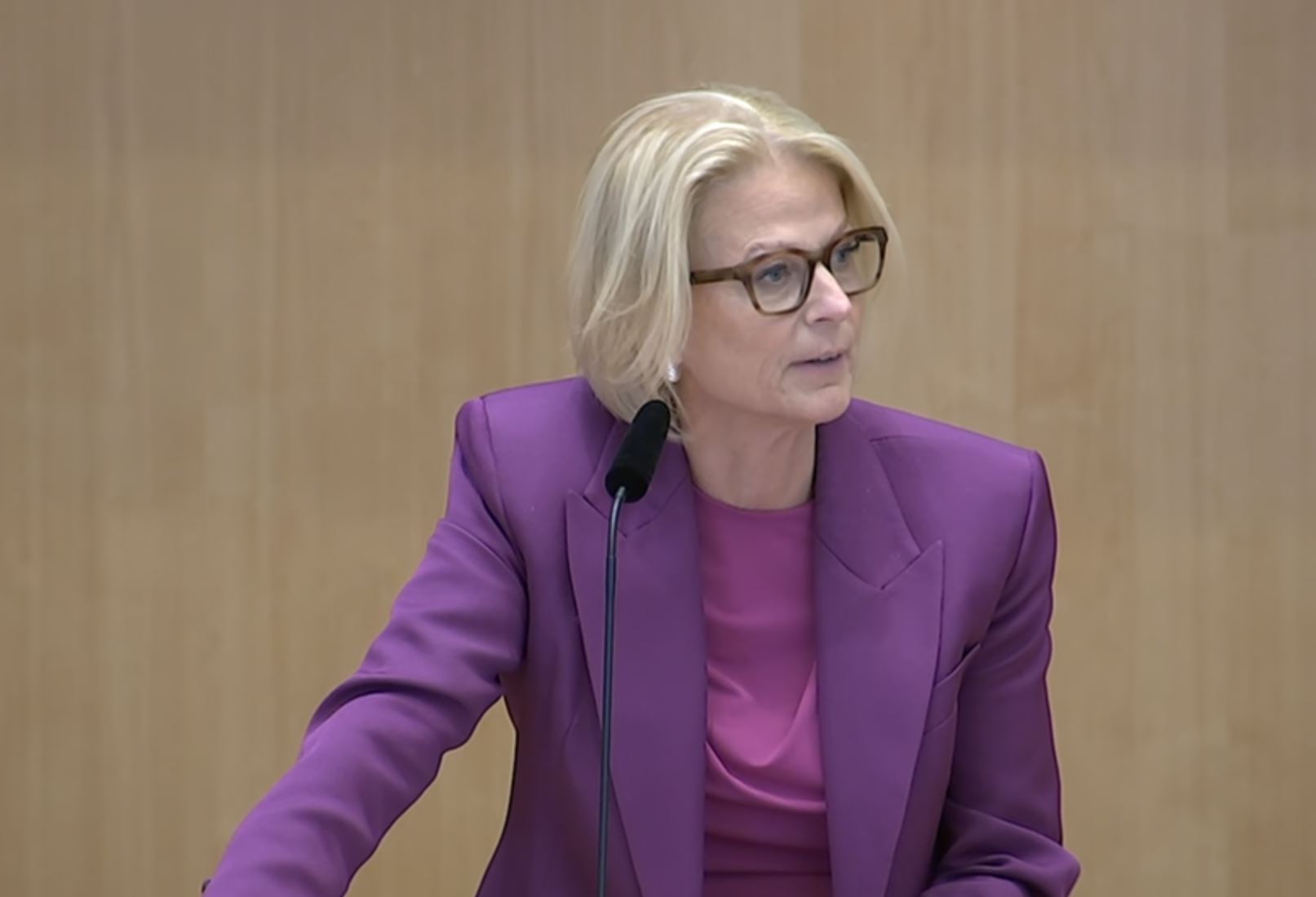
Finance Minister Elisabeth Svantesson (Moderate Party) framed the reform as a matter of fairness and sustainability. “It is not obvious that anyone who immigrates to Sweden from day one should have access to all parts of our social security system,” Svantesson stated during the press briefing. “We believe it is reasonable that they do not.”
The reforms are targeted to take effect on January 1, 2027, applying only to individuals immigrating after that date.
NBJ Analysis: Economic Implications for the Nordic Region
While the political debate focuses on migration control, the Nordic Business Journal identifies three critical areas where this reform will impact the business landscape.
1. Labor Market Segmentation and Shortages
Sweden currently faces structural labour shortages, particularly in hospitality, healthcare, and industrial sectors.
Low-Skilled Labor: Critics, including the Green Party (MP), argue that removing the safety net may deter necessary low-skilled labour. Malte Tängmark Roos (MP) warned of a “new level of poverty,” suggesting that without support, integration becomes harder, not easier. For businesses relying on entry-level labour, a reduction in the available workforce could drive up wage costs or exacerbate staffing gaps.
High-Skilled Talent: The income threshold (SEK 40k/month) is roughly aligned with the median Swedish income. This effectively creates a “white-collar exemption.” For the tech, finance, and engineering sectors, the impact will be minimal, as skilled expats will easily meet the fast-track criteria. This reinforces a two-tier labour market: high protection for high earners, high risk for low earners.
2. The EU Law Constraint
Migration Policy Spokesperson Ludvig Aspling (SD) noted that EU free movement laws necessitate counting residence in other EU countries toward the five-year requirement.
Business Impact: This is crucial for multinational Nordic companies moving staff between Stockholm, Copenhagen, and Helsinki. A Swedish subsidiary cannot discriminate against an EU citizen based on nationality, but they can apply residence rules. HR departments must update mobility policies to account for the “five-year clock” which now ticks across the EEA, not just within Swedish borders.
3. Social Stability as an Investment Factor
The Fiscal Policy Council and opposition parties argue there is no evidence that welfare access reduces the incentive to work; rather, they cite a lack of entry routes into the labour market.
Risk Assessment: From an investment perspective, social cohesion is a stability metric. If the reform leads to the exclusion of tens of thousands of families (as opposition parties predict), it could increase socio-economic segregation. For investors, heightened social tension can translate into reputational risk and operational instability in urban centres.
Strategic Outlook: Planning for 2027
The 2027 implementation date provides a window for strategic adjustment. The proposal is currently subject to the legislative process and referral rounds (remiss), where EU compatibility will be scrutinized heavily.
Key Takeaways for Executives:
Recruitment: Review relocation packages. For non-EU hires, the “Income Fast-Track” should be the primary benchmark for visa and benefit planning.
CSR & Integration: Companies may need to step up private sector integration initiatives. If state support recedes, corporate mentorship and language training programs become even more vital to ensure new hires remain self-sufficient.
Wage Structures: The SEK 20,850 threshold for the 12-month option is a critical floor. Entry-level contracts for immigrants should be structured to ensure this threshold is met consistently to avoid jeopardizing the employee’s welfare safety net.
The Tidö parties aim to send a clear signal: Sweden is open for business, but not for dependency. “Feel free to choose another country,” Aspling remarked regarding those seeking benefits without work. While this may stabilize public finances in the long term, the short-to-medium term challenge for the Swedish business community will be managing a tighter labour supply while ensuring that the drive for self-sufficiency does not inadvertently create barriers to the very workforce the economy needs.
Editor’s Note: Where We Go From Here
Follow-Up Direction:
In our next issue, Nordic Business Journal will deep-dive into “The Cost of Integration: Private Sector Solutions for a Tighter Welfare State.” We will analyse how leading Nordic corporations are filling the gap left by reduced state support through private upskilling, language initiatives, and mentorship programs. We invite HR Directors and CSR Managers to share case studies on successful integration strategies that ensure compliance with the new income thresholds.
Connect With Us:
Are you navigating the complexities of the new migration and welfare landscape? Do you have insights on labour mobility within the Nordics?
Contact our Editorial Team: editor@nordicbusinessjournal.com
Join the Discussion: Follow us on LinkedIn @NordicBusinessJournal for real-time updates on Nordic policy shifts.
Submit a Tip: Have a story on how these reforms affect your industry? Submit your briefings directly through our secure portal.
Stay informed. Stay ahead.