
The escalating tensions between the United States and Iran are reverberating through global trade networks, and Nordic companies are feeling the direct effects. From shipping disruptions in the Persian Gulf to commercial flight suspensions and shifts in energy pricing, businesses across the Nordic region are facing a growing set of risks. For international investors, this crisis underscores the global integration of Nordic industries and highlights the need for proactive geopolitical risk management.
Stena Bulk’s Tanker Struck by Drone in the Persian Gulf
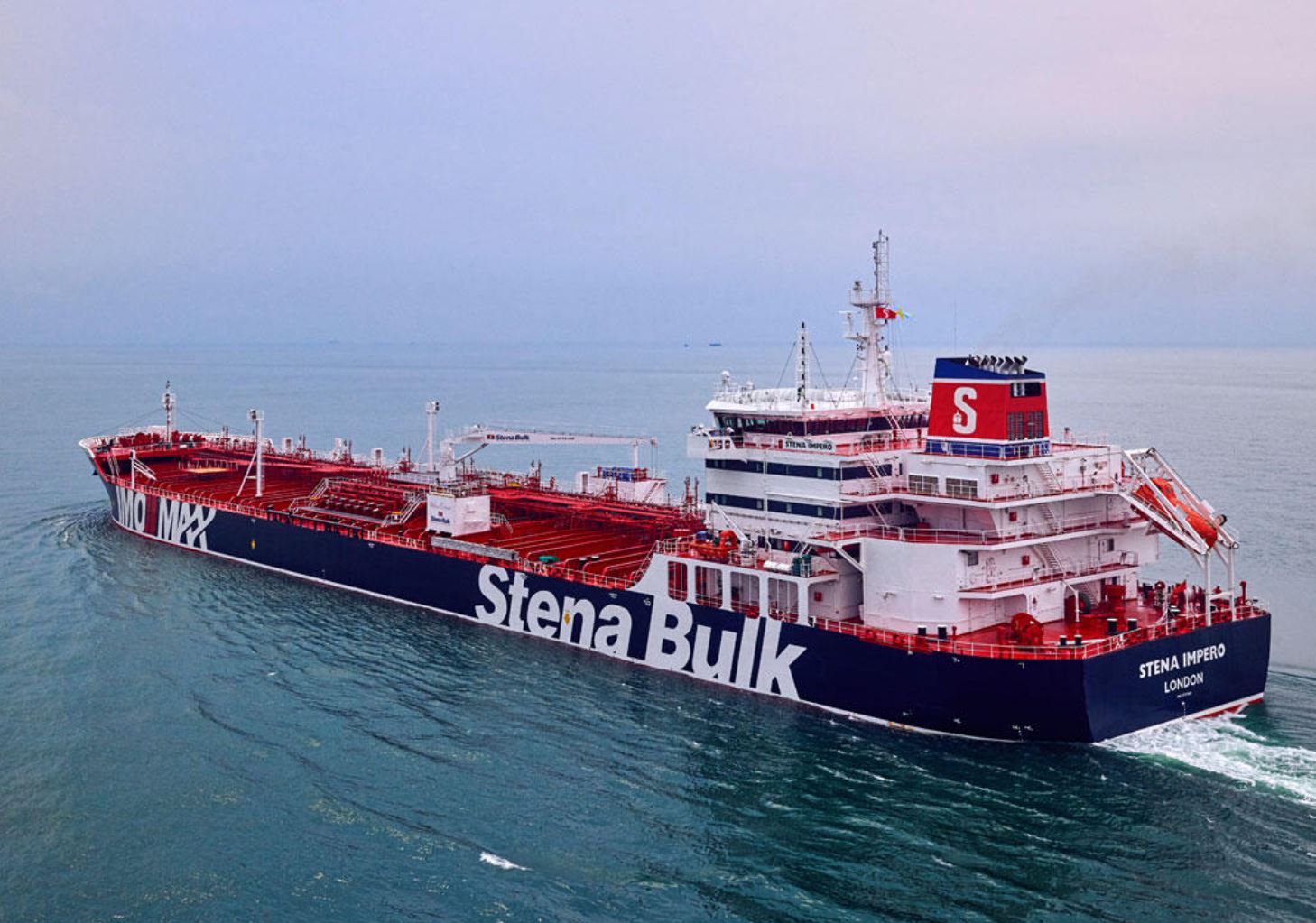
One of the most significant impacts on Nordic businesses came on [insert date] when Swedish shipping company Stena Bulk reported that one of its vessels, a U.S.-flagged tanker, was struck by a drone while navigating the Persian Gulf. Although no crew members were injured, the attack resulted in the death of a shipyard worker, according to Reuters.
Stena Bulk’s CEO Erik Hånell confirmed that the tanker’s crew was unharmed, but the incident has raised alarms across the global shipping industry. The Persian Gulf is a vital chokepoint for the world’s oil supply, with approximately 20% of global crude oil passing through its waters.
For Nordic maritime businesses — from shipowners to insurers and equipment suppliers — the implications are significant. Experts predict a rise in insurance premiums for vessels transiting the region, and potential disruptions in freight rates could affect both shipping operators and cargo owners.
Key Takeaways:
- The drone strike underscores the increasing risk to global shipping routes.
- Nordic maritime operators face higher costs due to heightened insurance premiums.
- Freight rates are likely to rise, influencing cost structures in the logistics sector.
SAS Suspends Middle East Routes Amid Rising Tensions
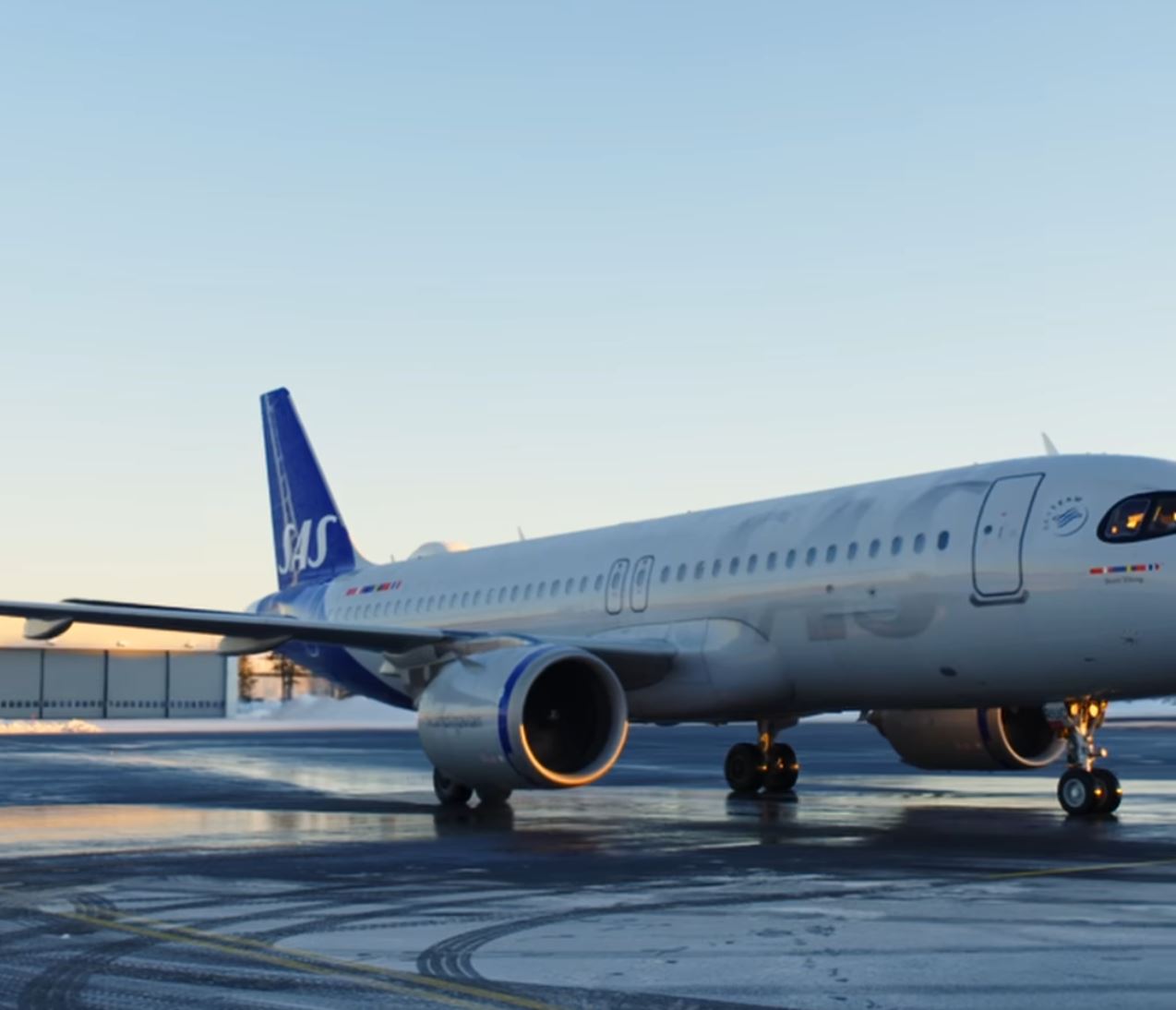
Scandinavian Airlines (SAS) has taken a precautionary measure by suspending all flights to and from the Middle East until March 16. The suspension affects two critical routes: Copenhagen–Tel Aviv and Copenhagen–Beirut.
SAS spokesperson Alexandra Lindgren Kaoukji emphasized that the decision was made to ensure the safety of passengers and crew. With many other airlines also facing flight disruptions in the region, including Emirates and Etihad Airways, the aviation sector is experiencing a substantial impact.
For SAS passengers, rebooking or refund options are available, but the airline’s limited ability to rebook due to widespread airspace restrictions highlights the operational challenges posed by the conflict. Given the critical role of air travel for Nordic businesses, the suspension of these routes adds pressure to the already strained aviation industry.
Key Takeaways:
- The suspension of flights adds strain to SAS, which is in the midst of restructuring.
- Other airlines, like Emirates and Etihad, are also adjusting to the new risk environment in the Middle East.
- Regional air traffic remains unstable, with limited alternatives for business and leisure travellers.
Broader Business Implications for the Nordics
The geopolitical turmoil has far-reaching implications across Nordic sectors:
1. Energy Prices and Inflation Risk
Nordic countries, particularly Norway, are major energy players with significant exposure to global oil prices. The U.S.–Iran conflict has already caused oil prices to spike, which in turn is putting upward pressure on marine fuel and jet fuel costs. For oil-exporting nations like Norway, short-term revenue gains could be offset by long-term volatility, which could add new complexities to energy markets. Inflationary pressures, particularly in Sweden and Finland, are likely to rise.
2. Maritime Insurance and Finance
In response to rising risks in the Gulf, Nordic insurers and maritime finance institutions are reassessing their exposure. War-risk premiums for vessels operating in the region are expected to surge. This shift is likely to increase the cost of shipping for all Nordic exporters and may also impact financing conditions for shipping companies and maritime investors.
3. Supply Chain Disruptions
If Persian Gulf shipping lanes become further destabilized, Nordic businesses could experience delays in receiving goods, particularly in industries like automotive, heavy machinery, and retail. Additionally, with ongoing tensions, shipping companies may revise their cost structures, creating a ripple effect throughout global supply chains.
4. Investor Sentiment
Geopolitical crises often drive capital toward safe-haven assets, and Nordic countries — known for their stability and strong institutions — are likely to see increased investor interest. However, any sustained disruption in global trade flows could affect the earnings of Nordic multinational corporations, especially those with exposure to the Middle East.
Navigating Uncertainty: What’s Next for Nordic Companies?
In this environment of heightened risk, Nordic companies are being forced to reassess their strategic positions. Business leaders must now focus on:
- Geopolitical Risk Management: As trade routes and markets become more unpredictable, companies will need to develop more robust contingency plans to protect their operations.
- Insurance and Hedging Strategies: Shipping companies and energy firms must adapt to rising premiums and fuel prices. Hedging strategies will play an increasingly vital role in safeguarding profits.
- Supply Chain Resilience: Nordic companies must diversify supply chains and logistics routes to minimize dependency on potentially volatile regions.
- Aviation and Travel Policy Adjustments: For airlines like SAS, and businesses that rely on air travel, flexibility in booking policies and route diversification will be key to mitigating disruptions.
As the conflict unfolds, the coming weeks will be critical for the Nordic business community. Companies that can navigate these geopolitical risks while maintaining resilience in their operations will likely emerge stronger, while those caught off guard may face long-term consequences in terms of supply chain instability, higher operational costs, and shifting market dynamics.
A Geopolitical Shift That Demands Strategic Adaptation
The U.S.–Iran conflict is a stark reminder that businesses, regardless of location, are inextricably linked to the global political landscape. The impact on Nordic industries highlights the need for dynamic risk management strategies in the face of global uncertainty. As shipping lanes, aviation routes, and energy markets all face disruption, Nordic companies must remain agile, prepared to adjust to an increasingly volatile global environment.
With geopolitical risks at the forefront, the ability to adapt quickly will define success in the coming months. For Nordic businesses, it’s not just about weathering the storm — it’s about emerging stronger and more resilient in an ever-evolving global market.