
Analysis: Espen Barth Eide’s critique of US-Israeli military action signals a broader European pivot toward legal frameworks over unilateral intervention—with significant implications for regional trade and investment stability.
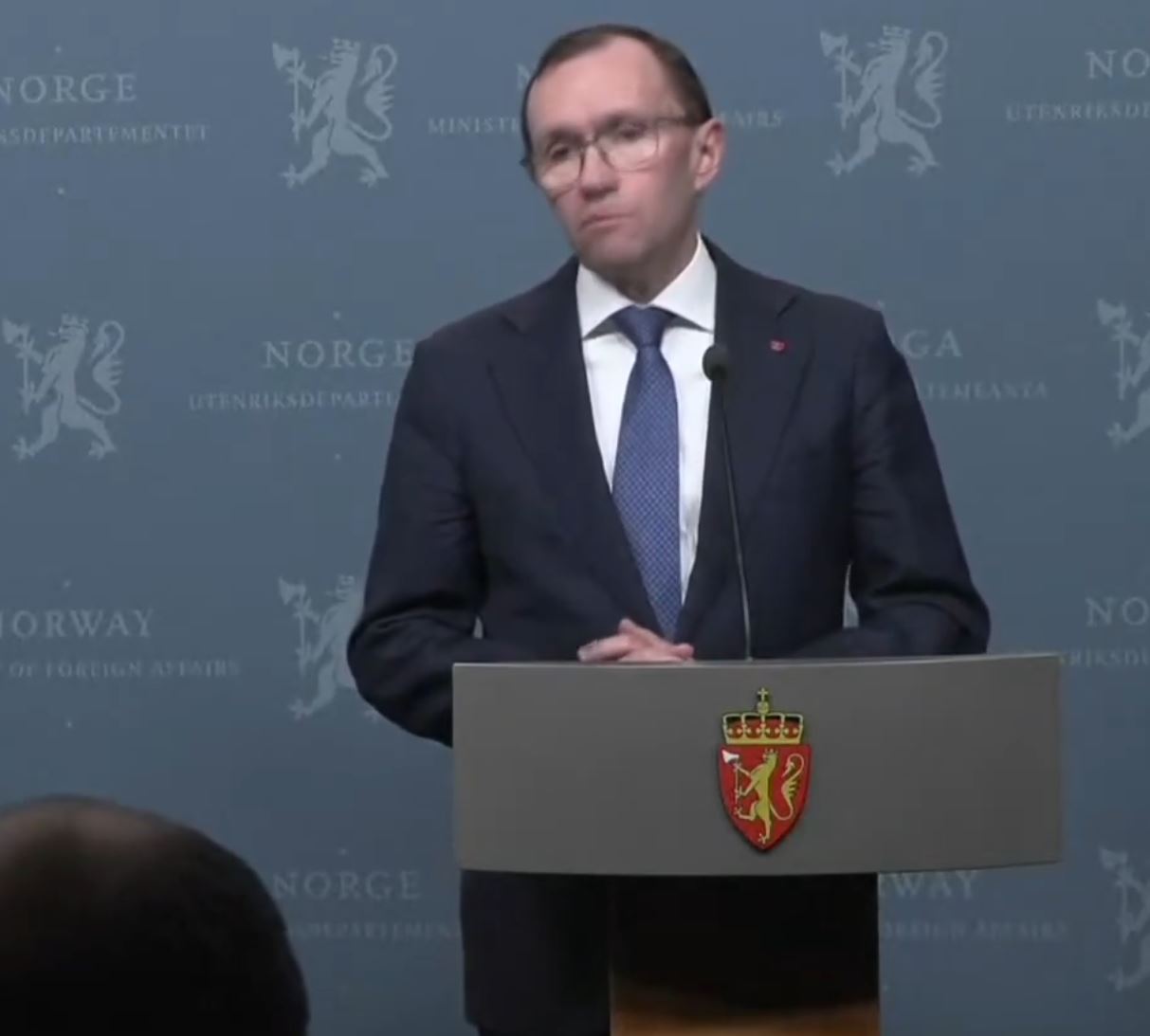
Norwegian Foreign Minister Espen Barth Eide has positioned Norway—and by extension, Nordic business interests—at the forefront of a critical European debate: the tension between moral opposition to authoritarian regimes and the legal constraints governing international conflict.
In an exclusive interview, Barth Eide delivered an unambiguous condemnation of the US and Israeli military strikes against Iran that began February 28, framing the intervention not merely as politically questionable, but as a fundamental breach of the international legal order that underpins European commerce and diplomatic relations.
“It’s not enough to not like a regime,” Barth Eide stated flatly. “There are clear rules for when you can use force.”
The Business Case for Legal Consistency
For Nordic business leaders, Barth Eide’s position carries weight beyond diplomatic rhetoric. Norway’s insistence on UN Charter principles—specifically Article 2(4) prohibiting the use of force except in self-defence or with Security Council authorization—reflects a strategic calculation: predictable legal frameworks reduce geopolitical risk premium in energy, shipping, and emerging market investments.
The alternative—accepting unilateral military intervention as legitimate foreign policy—introduces volatility that directly impacts Nordic corporate operations. Iran, despite sanctions, remains a peripheral but relevant market for maritime insurance, energy technology, and industrial equipment. More critically, the Gulf region represents a nexus for Nordic shipping (Maersk, Høegh Autoliners), oil services (Aker Solutions, Equinor partnerships), and sovereign wealth deployment.
When major powers bypass international law, the collateral damage includes contract enforceability, arbitration neutrality, and the very institutions Nordic exporters rely upon for dispute resolution.
The Counterargument: Moral Hazard vs. Market Stability
Barth Eide acknowledged the ethical weight pressing against his legalistic position. Iranian journalist Moloud Hajizadeh’s public challenge—”When history renders its verdict – on which side will the Labour government have stood?”—captures the frustration of Iranian civil society facing a regime reported to have killed 30,000–40,000 protesters in mere days.
The Foreign Minister’s response revealed the tension at the heart of Nordic foreign policy: “I understand the dream of a better Iran and have great sympathy for it. At the same time, there are international rules to abide by that we have globally agreed upon. Those rules have contributed to more peace than if we had not had them.”
This is not abstract philosophy. Barth Eide pointed to empirical evidence that regime-change wars “never work” through aerial bombardment, citing instead the accumulated record of sanctions and diplomatic isolation. The immediate effect of the February strikes, he noted, has been counterproductive: Iranian regime cohesion has increased, with power consolidating around a “more uncompromising version” of leadership—precisely the outcome Nordic energy and industrial firms sought to avoid.
Current Context: Sanctions Evasion and Secondary Risks
Since the February escalation, European businesses face heightened compliance complexity. The US has expanded secondary sanctions enforcement, targeting entities in third countries—including European jurisdictions—deemed to facilitate Iranian trade. Norway, while not an EU member, aligns closely with Brussels on sanctions implementation, creating a dual-track challenge for Nordic firms: maintaining US market access while preserving Gulf commercial relationships.
Barth Eide’s advocacy for “condemnations and strong sanctions” over military action aligns with a Nordic preference for calibrated economic statecraft. However, the interview revealed implicit frustration with sanctions fatigue—they have been ongoing for several years—suggesting Oslo may push for more targeted measures that distinguish between regime elites and civilian economic activity.
Strategic Outlook: Nordic Differentiation in a Fragmenting Order
Norway’s position represents a distinct Nordic voice in an increasingly polarised Atlantic relationship. While Denmark and Norway maintain NATO commitments, and Sweden and Finland navigate new alliance obligations, the region collectively benefits from positioning itself as the “rules-based” alternative to both American unilateralism and authoritarian opportunism.
For business readers, this translates to: expect continued Norwegian diplomatic investment in multilateral forums, resistance to extraterritorial sanctions enforcement, and potential Nordic leadership in post-conflict reconstruction financing—should the current escalation eventually yield to negotiation.
Barth Eide’s critique also signals to Washington that European support for regional security initiatives cannot be assumed when legal norms are bypassed. This has practical implications for defence procurement, intelligence sharing, and joint venture approvals in sensitive sectors.
The Verdict
The Norwegian government’s stance is not moral neutrality—it is strategic positioning. By defending international law’s integrity, Oslo protects the institutional infrastructure that enables Nordic commercial success in volatile regions. The risk is appearing disconnected from Iranian democratic aspirations; the reward is preserving the legal predictability that underpins long-term investment horizons.
As Barth Eide summarised: “We don’t think the world is getting better when countries behave like this.” For Nordic business, the calculation is identical.
Next in NBJ: The Sanctions Shift—How Nordic banks and compliance officers are navigating the new US enforcement regime on Iranian trade. We examine the operational costs of secondary sanctions and the emerging “Nordic carve-out” strategy for humanitarian and green technology exemptions. Plus: Exclusive data on Gulf region investment flows post-February escalation.
Connect with our editorial team: Follow Nordic Business Journal on LinkedIn for real-time analysis, or subscribe to our weekly Geopolitical Risk Briefing at https://nordicbusinessjournal.com/newsletter.
Editor inquiries: editor@nordicbusinessjournal.com
This analysis represents the views of the author and does not necessarily reflect the position of Nordic Business Journal’s editorial board.