
In a striking new report, it has been revealed that alcohol consumption in Sweden is continuing its downward trajectory, with a 2.6% decrease in 2025. This marks another year in a two-decade-long trend where Swedes are consuming less alcohol, a shift that has captured the attention of health experts, economists, and policy-makers alike. As the total consumption of pure alcohol per person (aged 15 and over) reaches 8.2 litres, it’s worth taking a closer look at the underlying factors contributing to this decline and exploring the broader societal and economic implications.
A Long-Term Trend with Deep Roots
Sweden’s decreasing alcohol consumption is not a sudden phenomenon but part of a gradual, 20-year shift. In fact, the country’s alcohol consumption per capita has been on the decline since the early 2000s. From a peak in the early 2000s, consumption has steadily dropped, which reflects broader changes in societal attitudes towards health, wellness, and lifestyle choices.
This trend mirrors similar shifts in other Nordic countries, though Sweden’s decline has been particularly pronounced. Notably, younger generations are at the forefront of this change. Millennials and Gen Z are more likely to prioritise health and fitness, with many embracing lifestyles that include lower alcohol intake or none at all. Social media, health blogs, and fitness influencers have made sobriety a more socially acceptable choice, further contributing to the rise of the so-called “sober curious” movement.
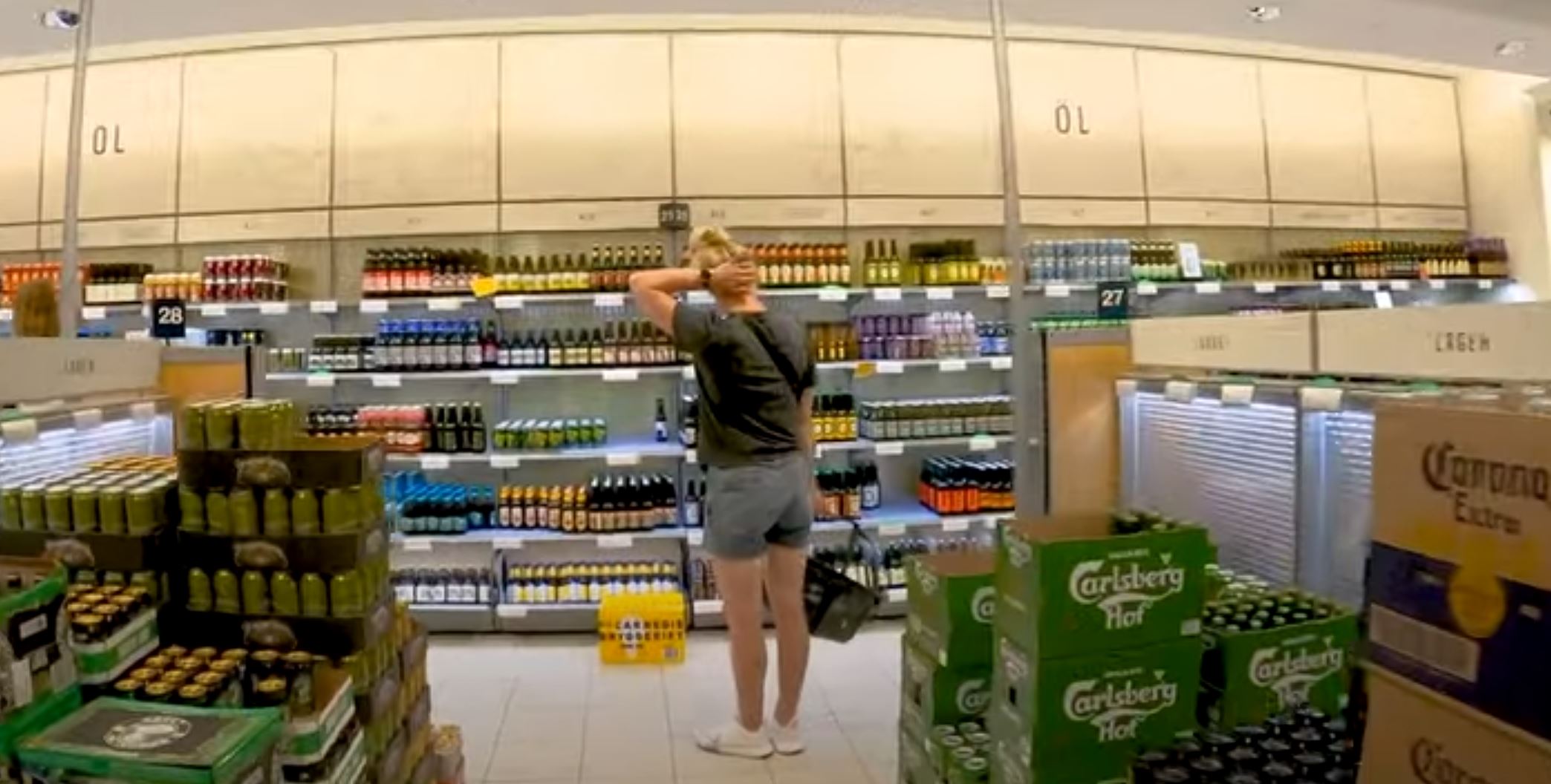
Factors Driving the Decline
Several factors can be attributed to the decrease in alcohol consumption. Among the most significant are:
- Health Consciousness: Sweden’s emphasis on public health and fitness is a driving force behind this trend. Swedes are increasingly aware of the long-term health risks associated with heavy drinking, such as liver disease, heart problems, and mental health issues. As wellness culture continues to gain traction, particularly among younger people, alcohol is often viewed as incompatible with a healthy lifestyle.
- Government Policies: Sweden has strict alcohol regulations in place, and the state-controlled alcohol retail chain, Systembolaget, is a key player in reducing access to alcohol. While this system has long been a subject of debate, many agree that the availability of alcohol in a controlled environment, combined with high taxes, has acted as a deterrent to overconsumption.
- Social and Cultural Shifts: Drinking alcohol has become less integral to socializing, especially among younger people. The rise of non-alcoholic beverages, such as craft sodas, non-alcoholic beers, and mocktails, has offered alternatives that allow people to enjoy the social experience without the aftereffects of alcohol. This shift is reflective of broader social changes, where people are prioritising mental clarity and physical well-being over traditional drinking culture.
- Economic Factors: The cost of living in Sweden, coupled with the increasing cost of alcohol, has made people more mindful of their spending habits. For many, drinking less alcohol is an economic decision as much as a health one, especially in a country with high taxes on alcoholic beverages.
What This Means for the Alcohol Industry
The decline in alcohol consumption poses a challenge for Sweden’s alcohol industry, particularly as demand for traditional alcoholic beverages continues to wane. However, this shift presents an opportunity for innovation within the sector. Companies that produce non-alcoholic drinks and low-alcohol alternatives are seeing a surge in demand. There is growing interest in craft non-alcoholic beers, sophisticated mocktails, and other innovative products that cater to the sober curious market.
In fact, some experts predict that the future of the alcohol industry will lie in the expansion of these “alcohol-free” product lines, particularly as Sweden continues to align its culture with broader wellness trends. This offers new avenues for local entrepreneurs to tap into the growing demand for healthier lifestyle options while still capitalising on the social aspects of drinking culture.
Looking Ahead: A More Health-Conscious Future
Given the continued decline in alcohol consumption, it is likely that Sweden will continue to see this trend in the years to come. This could have significant implications not just for public health, but for the economy, the alcohol industry, and Sweden’s social fabric as a whole. We may also witness a shift in how alcohol is marketed, with an increased focus on health-conscious consumers and a greater push for non-alcoholic offerings.
Moreover, as the wellness trend gains traction, we could expect other industries to be affected. From fitness brands to lifestyle companies, businesses will need to adapt to the changing cultural landscape that increasingly values sobriety and mindfulness.
Moving Forward: Embracing the Change
As alcohol consumption continues to decrease in Sweden, it’s important to take a long-term view of how this will impact various sectors. While the alcohol industry faces challenges, there are clear opportunities for innovation and adaptation. Moreover, this cultural shift should be seen as an opportunity for companies to align their products and marketing strategies with the evolving needs of the Swedish population.
In the next issue of the Nordic Business Journal, we will delve into the growth of non-alcoholic and low-alcohol drinks in Sweden and explore how local brands are responding to the evolving preferences of Swedish consumers. We’ll also explore the economic implications of this change and consider how other Nordic countries are navigating similar trends.
Stay Connected with Us
We invite our readers to stay connected with the Nordic Business Journal as we continue to explore key trends that shape the Nordic business landscape. Have thoughts on the decline in alcohol consumption or ideas for future articles? Don’t hesitate to reach out to us on our social media channels or email us directly. We look forward to hearing from you!