
As the aviation industry faces mounting pressure to decarbonise, a critical divide is emerging in the sustainable fuel market. While Sustainable Aviation Fuels (SAF) are currently the primary tool for reducing emissions, new investigations reveal that today’s “green” biofuels often rely on feedstocks like palm oil, creating significant reputational and environmental liabilities for corporations.
The long-term solution lies in electrofuels (e-fuels), yet the path to scalability is fraught with economic and regulatory challenges. For Nordic investors and business leaders, understanding this transition is no longer optional—it is a strategic imperative.
The ReFuelEU Reality Check
The regulatory landscape has solidified since initial proposals were made. The ReFuelEU Aviation regulation is now in effect, mandating that all fuel supplied at EU airports must contain increasing blends of SAF.
- 2025: Minimum 2% SAF blend.
- 2030: Rising to 6%, with a specific sub-target of 1.2% for synthetic e-fuels.
- 2050: Targeting 70% total SAF.
While the EU previously highlighted a 35% e-fuel target for 2050 in early communications, the current legislative framework focuses on a broader SAF mix, with e-fuels expected to dominate the latter half of the transition as technology matures.
The Economic Equation: CAPEX vs. OPEX
The primary barrier to entry remains cost. Currently, e-fuels can cost five to ten times more than conventional Jet A-1 kerosene.
“With emerging technology, we believe we can bring that down to just double the price of fossil fuels,” notes Andrew Symes, CEO of OXCCU, a UK-based pilot plant operator.
However, for Nordic businesses, the calculation extends beyond production costs. The true value driver is regulatory certainty and carbon pricing. As the EU Emissions Trading System (ETS) tightens and the Carbon Border Adjustment Mechanism (CBAM) expands, the premium for e-fuels becomes an investment in compliance rather than a mere operational cost.
Strategic Analysis:
First-Generation Biofuels (HEFA): Limited by feedstock availability (waste oils, fats). High risk of “greenwashing” accusations if supply chains aren’t transparent.
Electrofuels (PtL): Unlimited scalability potential. Requires renewable electricity and captured CO2. High initial CAPEX, but lower long-term regulatory risk.
The Nordic Competitive Advantage
Why is the Nordic region poised to lead this sector? The production of e-fuels requires two main inputs: green hydrogen (from renewable electricity) and biogenic CO2. Scandinavia offers a unique convergence of these assets:
1. Surplus Renewable Energy: Norway’s hydro, and Sweden and Denmark’s wind capacity provide some of the cheapest and cleanest electricity in Europe.
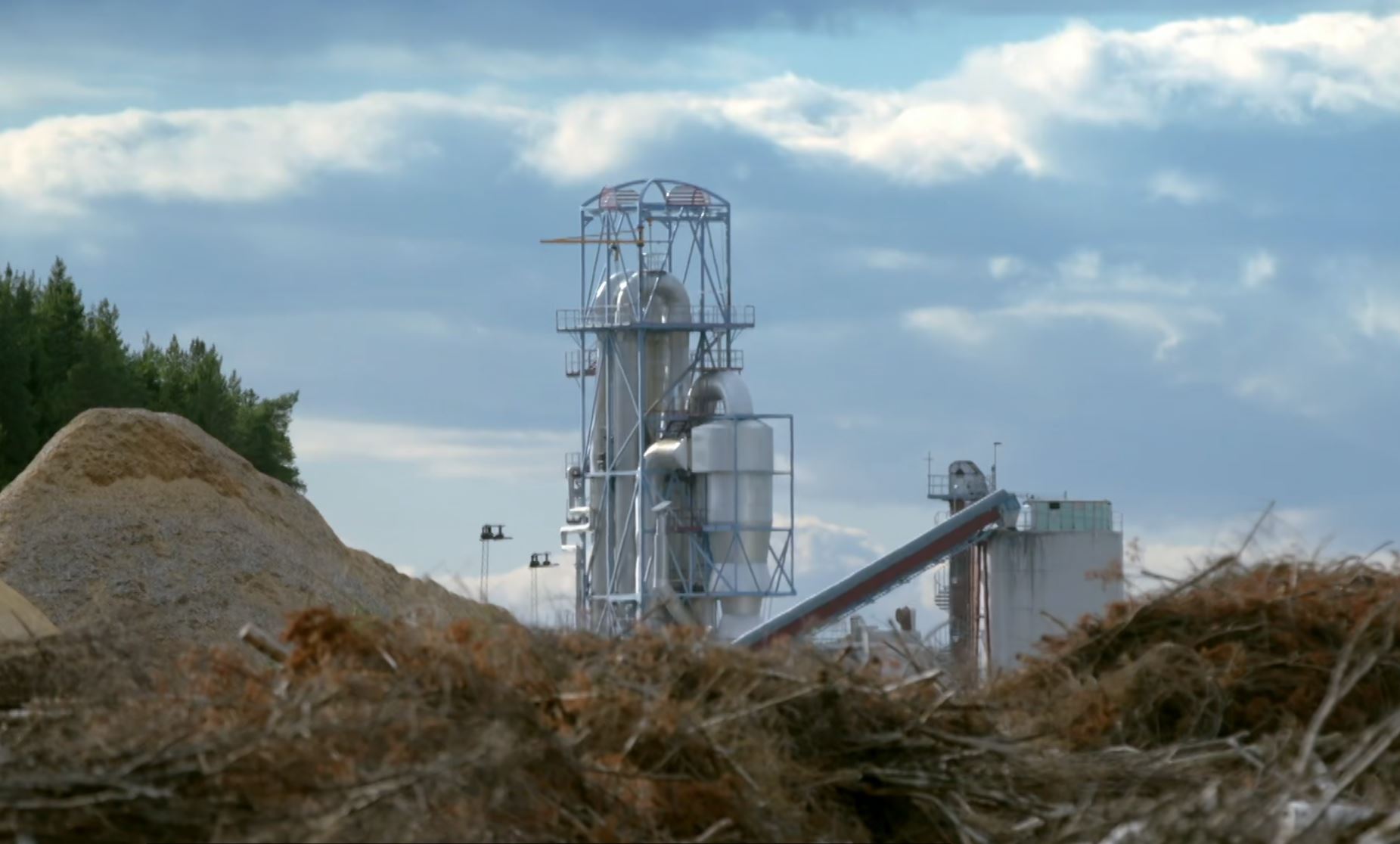
2. Industrial CO2 Sources: The region’s robust pulp, paper, and district heating industries offer ready sources of carbon for capture.
Case Study: Skellefteå
The proposed Arctic Aviation Hub in Skellefteå, Sweden, exemplifies this synergy. The project plans to capture CO2 from the local district heating plant to synthesise fuel.
Timeline: Construction targeted for 2027, production by 2030.
Significance: This moves the project from theoretical planning to the “FID” (Final Investment Decision) stage, signalling confidence in the regulatory environment.
Investment Risks and Mitigation
Despite the optimism, industry hesitation remains. Over 60 e-fuel facilities are planned across Europe, yet few have reached Final Investment Decision. The primary concern is not the technology, but subsidy distribution.
The EU’s Innovation Fund and the recently established European Hydrogen Bank aim to bridge the cost gap by matching manufacturing prices with buyer willingness to pay. However, businesses must monitor:
Electricity Pricing: Long-term Power Purchase Agreements (PPAs) are essential to lock in low energy costs.
Policy Stability: While ReFuelEU is law, national implementation of subsidies varies across member states.
Expert Outlook
Elna Heimdal Nilsson, Professor of Aeronautical Sciences at Lund University, suggests that efficiency is the key to dominance. “If you can reduce the energy consumption in e-fuel production, I believe that electrofuels will become very important, perhaps even dominant. Because then we will avoid the raw material problem.”
For the Nordic business community, the message is clear: The raw material problem is a bottleneck for biofuels, but an opportunity for e-fuels. The region with the cheapest green electrons and the most efficient carbon capture will win the market.
Strategic Takeaway for Readers
Don’t wait for parity. The cost gap between fossil jet fuel and e-fuel will not close solely through technology; it will close through carbon taxation and mandates. Nordic logistics and travel companies should begin securing long-term SAF off-take agreements now to hedge against future carbon levies and secure supply chains before the 2030 crunch.
Editor’s Note & Next Steps
Where do we go from here?
In our next issue, we will deep-dive into “The Hydrogen Hedge: How Nordic Companies are Financing the Green Transition.” We will analyse specific investment vehicles, green bonds, and public-private partnerships currently active in Sweden, Norway, and Denmark.
Connect With Us
Are you investing in sustainable aviation or green tech? We want to hear your perspective.
Subscribe: Get the full Nordic Business Journal delivered to your inbox.
Contact: Reach our editorial team at editorial@nordicbusinessjournal.com for tips or partnership inquiries.
LinkedIn: Follow us @NordicBusinessJournal for real-time updates on Nordic market trends.
Stay ahead of the transition.