
Nordic Business Journal Analysis: Why This Crisis Differs from 2022 and What It Means for Nordic Enterprises
Brussels — The European Commission has issued an urgent warning that Europe faces a potentially prolonged energy crisis following the escalation of conflict in the Middle East, with Energy Commissioner Dan Jørgensen calling for immediate, coordinated action to reduce consumption and prevent market fragmentation.
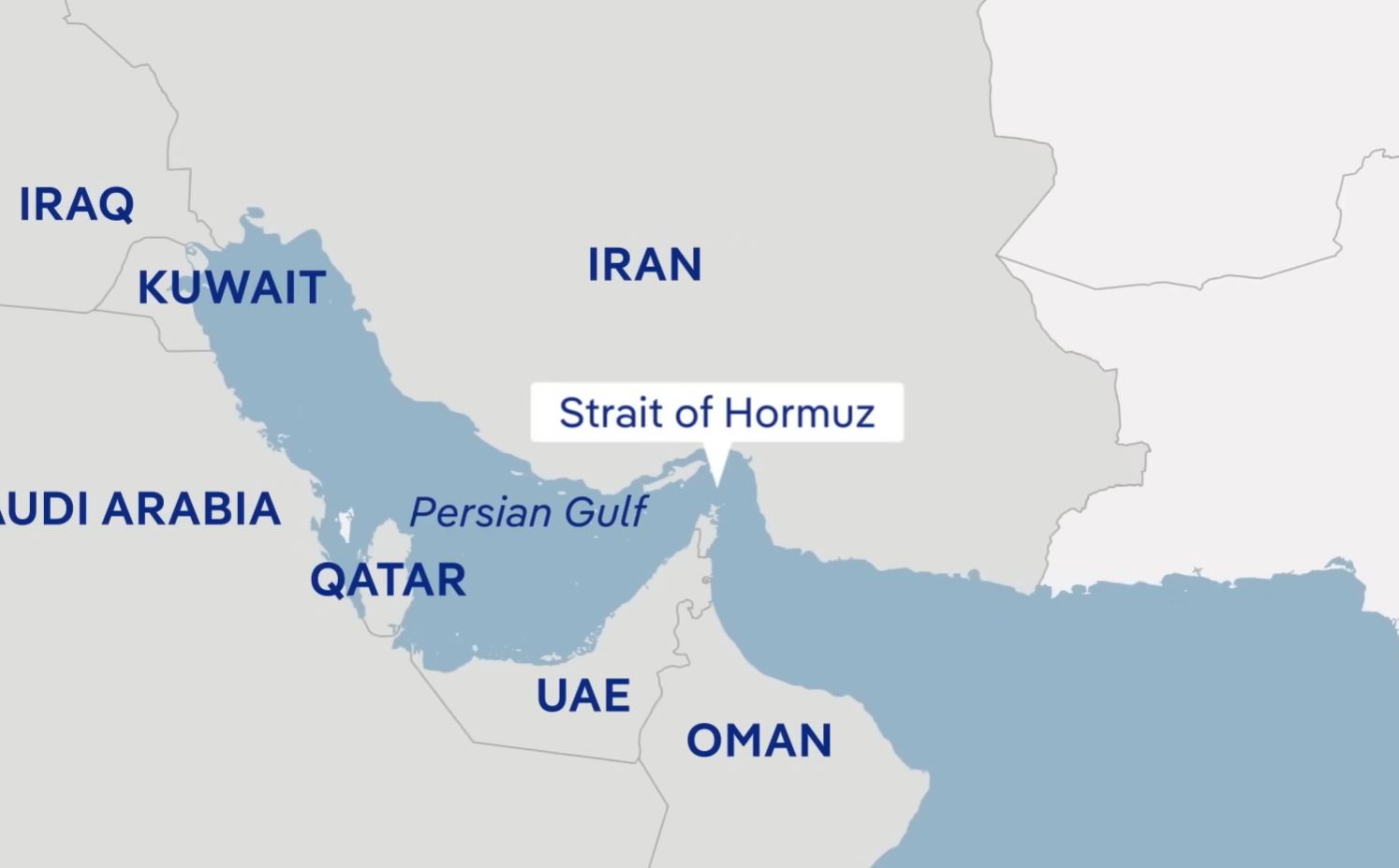
The crisis, triggered by the closure of the Strait of Hormuz—a chokepoint carrying one-fifth of global oil and gas supplies—has sent shockwaves through European energy markets. Oil prices have surged 70% and natural gas prices 50% above pre-war levels, costing the EU an additional €14 billion in fossil fuel imports within just 30 days.
The New Reality: Why This Isn’t 2022 All Over Again
While European businesses might experience déjà vu from the 2022 energy crisis, Commissioner Jørgensen emphasizes this situation presents distinct challenges. “We must not delude ourselves into thinking that the consequences for the energy market will end soon, because that won’t happen,” Jørgensen stated following an emergency meeting of EU energy ministers on March 31, 2026.
The critical difference lies in infrastructure damage. Even if hostilities ceased immediately, damaged energy infrastructure throughout the Gulf region means supply chains cannot quickly normalise. This structural constraint suggests volatility will persist regardless of diplomatic developments—a stark contrast to the 2022 crisis, which saw rapid price normalisation when alternative gas supplies became available.
Immediate Measures: From Remote Work to “Car-Free Sundays”
The Commission has recommended a suite of demand-reduction measures that echo the 1970s energy crisis playbook while adapting to modern workplace realities:
– Work-from-home policies to reduce transportation fuel consumption
– Reduced private vehicle usage in favour of public transport and carpooling
– “Car-free Sundays”—a measure resurrected from the 1973 oil crisis
– Deferred non-essential travel and reduced aviation activity
– Postponement of refinery maintenance to maintain production capacity
Crucially, Jørgensen has urged member states to avoid fragmented national responses that could disrupt the internal market. “We need to avoid fragmented national responses and disruptive signals to the market to avoid worsening supply and demand conditions,” he warned, emphasizing that EU unity remains essential for managing the crisis effectively.
Nordic Advantage: How Scandinavia’s Renewable Leadership Provides Buffer
For Nordic Business Journal readers, the crisis highlights the strategic value of early renewable energy investment. While southern European nations scramble to secure alternative oil supplies, Nordic countries possess structural advantages:
– Sweden generated 88.1% of its electricity from renewable sources in 2024, primarily hydro and wind
– Denmark reached 79.7% renewable electricity generation, with wind power as the dominant source
– Finland achieved 54.3% renewable electricity, positioning it well above the EU average of 47.5%
This renewable infrastructure provides Nordic enterprises with partial insulation from fossil fuel price volatility, though not complete immunity—natural gas still plays a role in heating and industrial processes, and global price spikes affect all EU markets through interconnected grids.
The €5.6 Trillion Question: Accelerating True Energy Independence
The Commission’s long-term response centres on accelerating the REPowerEU agenda. A recent IRENA report, endorsed by Commissioner Jørgensen, outlines the investment imperative: €5.6 trillion in cumulative power sector investment by 2050—approximately €220 billion annually, representing a 50% increase over current levels.
Key targets include:
– 1,100 GW of combined wind and solar capacity by 2030 (nearly double current levels)
– 46 GW of battery storage capacity (up from 6 GW in 2023)
– 100 million electric vehicles by 2030 (from 12 million in 2023)
– 51 million heat pumps deployed across buildings
Jørgensen frames this as economic opportunity rather than mere crisis response: “Homegrown renewables will make us more energy independent as we move away from fossil fuels. They will also create new jobs and drive innovation. This is a clear win-win for the climate, and the economy”.
Business Implications: What Nordic Executives Should Monitor
Supply Chain Vulnerabilities: Despite Nordic renewable advantages, the region remains exposed to global price volatility through interconnected markets. Industries with high natural gas exposure—chemicals, fertilizers, and certain manufacturing sectors—should assess hedging strategies and alternative feedstock options.
Competitive Positioning: As energy costs diverge across the EU, Nordic companies with high renewable electricity consumption may gain competitive advantage against southern European counterparts facing steeper fossil fuel price impacts.
Policy Coordination Risks: Jørgensen’s warning about fragmented national responses carries particular weight for Nordic businesses operating across borders. Divergent national measures—such as fuel rationing in one country but not another—could complicate cross-border logistics and operations.
Investment Signals: The crisis reinforces the business case for on-site renewable generation, energy storage, and electrification of operations. Companies with advanced sustainability strategies may find their capital investments yielding faster returns amid sustained price volatility.
The Road Ahead: A Package in Preparation
While no binding decisions emerged from the March 31 emergency meeting, the Commission is preparing a comprehensive “toolbox” of measures to support households and businesses. Notably, Jørgensen has indicated no windfall tax on energy companies is planned, distinguishing this response from 2022 crisis measures.
The package will likely include expanded state aid frameworks, targeted support for vulnerable households, and structural reforms to electricity pricing mechanisms. For businesses, the Commission is also exploring price cap mechanisms and enhanced grid efficiency measures.
Editor’s Note: This crisis demonstrates that energy security and climate transition are no longer parallel policy tracks—they have converged into a single strategic imperative. Nordic businesses that invested early in renewables and electrification are now reaping risk-mitigation benefits. The question is whether this crisis will accelerate Europe’s transformation or fragment the internal market under pressure.
Coming Next in Nordic Business Journal
In our upcoming feature, we will examine how Nordic energy-intensive industries—steel, aluminium, and data centres—are adapting their long-term investment strategies to this new era of energy volatility. We will profile companies turning energy security into competitive advantage through vertical integration, power purchase agreements, and strategic location decisions.
Connect with Nordic Business Journal: Follow our energy coverage at Nordic Business Journal and join the conversation on LinkedIn using NordicEnergySecurity. For editorial inquiries or to contribute expert commentary, contact our energy desk at our editorial team.
This analysis was compiled from European Commission announcements, IRENA reports, and emergency ministerial proceedings as of April 2, 2026.
Sources: European Commission official announcements, Euronews reporting, EU News Italy, IRENA Regional Outlook, Eurostat renewable energy statistics.