
Swedish Labour Court rules in Tesla’s favour on damages claim, but broader collective bargaining dispute remains unresolved as Unionen case advances
Tesla has secured a procedural victory in its prolonged labour dispute with Swedish union IF Metall, with the Swedish Labour Court ruling that the electric vehicle manufacturer did not violate the Codetermination Act and ordering the union to pay Tesla’s legal costs of approximately SEK 300,000. The decision marks a tactical win for Tesla in what has become the longest strike in modern Swedish history, but analysts caution it does not resolve the fundamental conflict over collective bargaining agreements that has engulfed the Nordic region since October 2023.
The court rejected IF Metall’s claim for SEK 75,000 in damages, finding no evidence that Tesla had breached Swedish labour law. However, the ruling represents only one battle in a multi-front war: IF Metall is pursuing a separate case seeking at least SEK 295,000 in damages related to an allegedly unfounded termination, while the broader strike action—now spanning over 600 days—continues to challenge the foundations of Sweden’s renowned labour market model.
Analysis: What This Means for Nordic Labor Relations
This legal victory, while symbolically significant for Tesla, does little to alter the strategic stalemate that has paralyzed the company’s Nordic operations. The dispute has evolved from a localized service technician strike into an existential test of Sweden’s collective bargaining system, with sympathy actions spreading across Denmark, Norway, and Finland.
The Nordic Model Under Pressure
The Tesla conflict exposes a critical tension in the Nordic labour market: how does a system built on voluntary collective bargaining enforce standards against a global employer that fundamentally rejects union representation? With nearly 90% of Swedish workers covered by collective agreements, Tesla’s refusal to sign has created a high-stakes precedent that unions across Europe are watching closely.
Economic Impact Assessment
While Tesla maneuvered around port blockades by shifting to land-based vehicle transport and actually increased Swedish sales by 1% in 2024 despite the strike, the long-term operational costs are mounting. The company has been forced to post job openings for Nordic government affairs specialists with “significant experience with legislative and regulatory advocacy” —a clear signal that the conflict has escalated to the political lobbying arena.
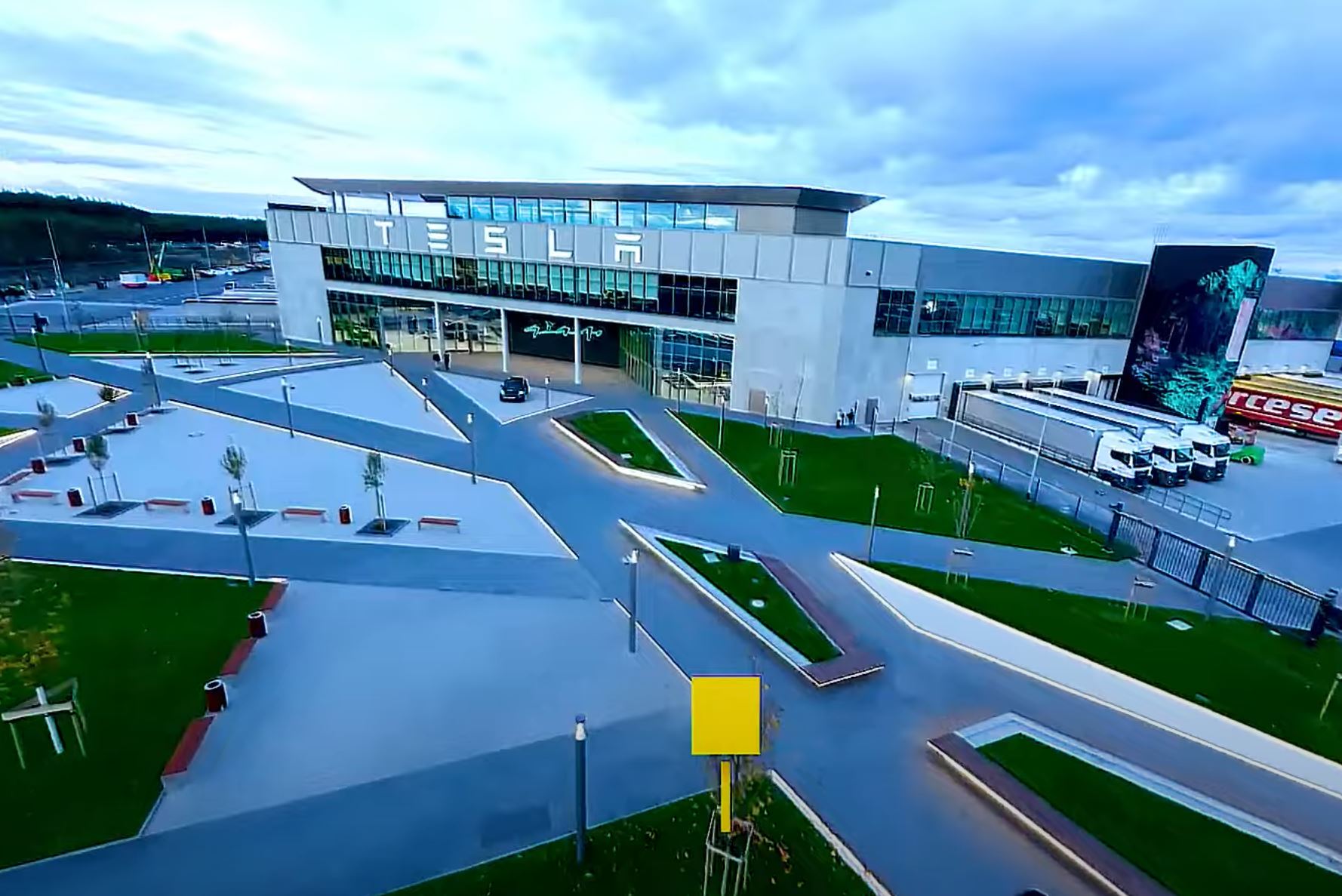
Tesla’s Nordic Market: Recovery Amid Controversy
Ironically, Tesla’s legal victory coincides with a dramatic commercial resurgence across Nordic markets. March 2026 registration data reveals a stunning rebound: Tesla sales surged 144% year-over-year in Sweden, 178% in Norway, and 96% in Denmark. In Norway, Tesla captured 34.8% market share for the month, with the Model Y and Model 3 securing the top two spots on the bestseller list.
This recovery follows a devastating 2025 in which Tesla lost nearly half its European market share amid political backlash and intensifying competition from Chinese manufacturers like BYD. The March surge appears driven by strategic product launches, including the Model Y Standard Long Range with 657 km WLTP range and the return of seven-seat configurations.
However, the juxtaposition of strong sales against ongoing labour conflict creates reputational risks. Norwegian consumers may be purchasing Tesla vehicles, but institutional investors are taking notice: Danish pension fund PensionDanmark divested its Tesla shares specifically in protest of the company’s labour practices.
Global Production Context: The Q1 2026 Reality Check
The Nordic labour dispute unfolds against a challenging global backdrop. Tesla’s Q1 2026 delivery results, announced April 2, reveal persistent operational headwinds. The company delivered 358,023 vehicles—up 6.3% from the same period last year but falling short of analyst expectations of 365,000–370,000 units.
More concerning than the delivery miss is the production-delivery gap: Tesla manufactured 408,386 vehicles but delivered only 358,023, adding over 50,000 units to inventory in a single quarter. This marks a structural shift for a company historically built on made-to-order manufacturing, suggesting demand challenges that extend beyond the Nordic region.
The automaker’s energy storage division—previously a reliable growth bright spot—also faltered, deploying just 8.8 GWh in Q1, a 38% decline from Q4 2025. With full-year 2026 consensus estimates at 1.69 million vehicles, Tesla must average over 444,000 deliveries per quarter for the remainder of the year—a pace not consistently achieved since 2023.
Strategic Outlook: Autonomy, Politics, and European Expansion
Tesla’s Nordic strategy increasingly hinges on regulatory approval for Full Self-Driving (FSD) technology. The company has been conducting public ride-along programs across Europe to demonstrate system capabilities, with first approval expected from the Dutch RDW on April 10. Successful FSD rollout could unlock new revenue streams and differentiate Tesla from European and Chinese competitors.
Yet political headwinds complicate this trajectory. CEO Elon Musk’s controversial role leading the U.S. Department of Government Efficiency (DOGE) ignited nationwide “Tesla Takedown” protests throughout 2025, creating brand polarisation that transcends traditional consumer preferences. In Europe, where labour rights enjoy strong cultural protection, Musk’s anti-union rhetoric continues to generate institutional resistance.
Conclusion
Tesla’s legal victory over IF Metall represents tactical manoeuvring in a strategic quagmire. While the court ruling provides short-term financial relief and symbolic vindication, it does not address the core question: can global technology giants operate successfully within Nordic labour market frameworks without embracing collective bargaining?
For Nordic business leaders, the case offers critical lessons in stakeholder management, regulatory navigation, and the limits of legalistic approaches to labour relations. As Unionen’s parallel case advances through the courts, and sympathy strikes continue across the region, the ultimate resolution will likely require political intervention or fundamental concessions—neither of which appears imminent.
The Nordic market’s importance to Tesla is undeniable: Norway remains the world’s most advanced EV market, with 98.4% of new passenger cars registered in March being electric. Yet the company’s ability to capitalise on this transformation while rejecting the labour norms that underpin Nordic social cohesion remains the central paradox of this protracted conflict.
Market Data Summary
| Metric | Q1 2026 Result | Context |
| Global Deliveries | 358,023 | +6.3% YoY; -7,600 vs. consensus |
| | Global Production | 408,386 | 50,363 excess over deliveries |
| Norway Market Share (March) | 34.8% | +178% YoY sales growth |
| Sweden Sales Growth (March) | +144% YoY | Recovery from 2025 decline |
| Energy Storage Deployed | 8.8 GWh | -38% vs. Q4 2025 |
Editor’s Note
This article was prepared for the April 2026 issue of Nordic Business Journal. All financial data reflects Tesla’s official Q1 2026 reporting released April 2, 2026. Labor court rulings and union statements are current as of publication date.
What’s Next: Follow-Up Coverage
Coming in our May 2026 issue: “The FSD Gamble: How Autonomous Vehicle Approvals Could Reshape Tesla’s European Strategy” — An in-depth analysis of regulatory pathways, competitive positioning, and the commercial implications of Tesla’s push for full self-driving certification across EU markets.
Connect with Nordic Business Journal
Stay ahead of Nordic labour market developments and their impact on international business operations. Subscribe to our weekly newsletter at nordicbusinessjournal.com/subscribe or follow us on LinkedIn for real-time updates on this evolving story.
Have insights on Nordic labour relations or Tesla’s regional operations? Contact our editorial team at editor@nordicbusinessjournal.com or connect with our labour market correspondent through our professional network.
© 2026 Nordic Business Journal. All rights reserved.