
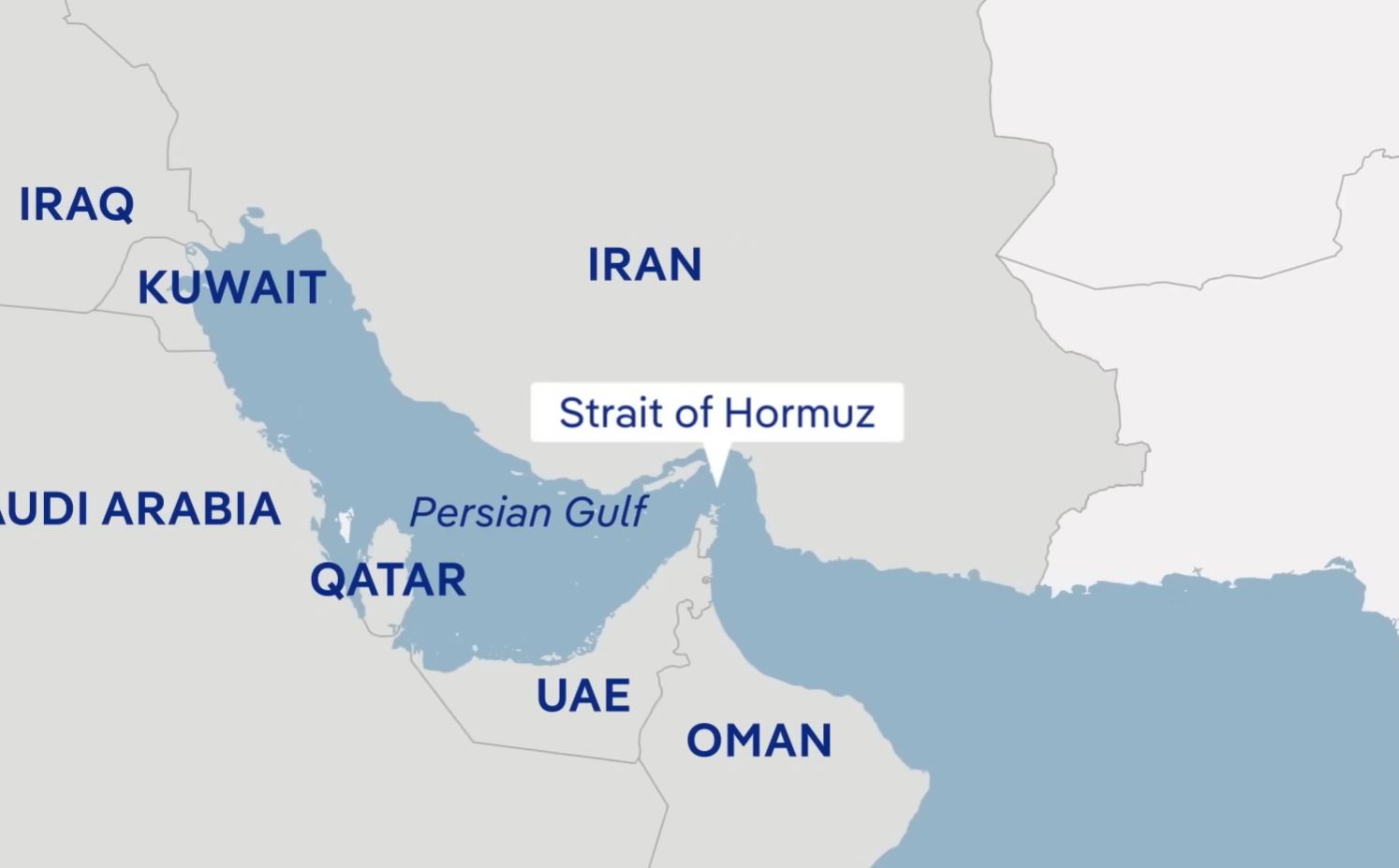
The Strait of Hormuz—the 33-kilometre maritime corridor through which approximately one-fifth of global traded oil and liquified natural gas flows—has become the epicentre of a geopolitical crisis with profound implications for Nordic business. As of late March 2026, the waterway operates under “restricted” status, with more than 150 commercial vessels delaying transit and war-risk insurance premiums surging across the Persian Gulf region.
For Nordic executives, the ramifications extend far beyond headline geopolitics. This is a stress test of supply chain resilience, energy strategy, and the region’s capacity to navigate great-power competition without compromising commercial sovereignty.
The Nordic Exposure: Beyond Direct Imports
While Nordic nations are not heavily dependent on Gulf oil imports—Norway supplies over 50% of the EU’s petroleum needs, and the region leads globally in renewable energy adoption—the indirect exposure is substantial.
Three channels of risk merit executive attention:
1. Global price transmission: Brent crude volatility directly impacts Nordic industrial input costs, logistics expenses, and consumer inflation. A sustained disruption in Hormuz could add $15–25/barrel to global benchmarks, with knock-on effects for manufacturing margins across Sweden, Finland, and Denmark.
2. Maritime insurance and routing: Nordic shipping giants—including Maersk, one of the world’s largest container operators—have suspended Hormuz transits, rerouting vessels at significant cost. War-risk premiums for Persian Gulf voyages have increased tenfold since crisis escalation, affecting freight rates for Asian-Nordic trade lanes.
3. Strategic commodity dependencies: The strait carries roughly 50% of global sulphur (critical for fertiliser production) and 30% of liquefied petroleum gas. Nordic agriculture and chemical sectors face supply-chain vulnerability if alternative sourcing proves inadequate.
European Response: Coordination Gaps and Nordic Opportunities
The UK’s initiative to convene 35 nations for virtual talks on post-conflict Hormuz security reflects European anxiety—but also exposes strategic fragmentation. While the proposed framework emphasises “freedom of navigation,” European capitals remain divided on military involvement, wary of escalation and domestic political costs.
For Nordic policymakers and business leaders, this uncertainty creates both risk and opportunity:
– Norway’s Arctic energy pivot: Oslo is actively lobbying the EU to revise its Arctic drilling moratorium, positioning Norwegian Barents Sea resources as a stable alternative to Middle East supplies. While environmentally contentious, this strategy could accelerate Nordic energy autonomy—if regulatory approvals align.
– EMASOH and maritime situational awareness: The French-led European Maritime Awareness in the Strait of Hormuz (EMASOH) mission, with Danish and Dutch participation, offers a model for low-footprint, intelligence-focused naval cooperation. Nordic defence industries specialising in maritime surveillance, unmanned systems, and cyber-secure communications could find export opportunities within such frameworks.
– Insurance and risk-mitigation innovation: Nordic insurers and fintech firms are well-positioned to develop parametric insurance products, real-time risk analytics, and supply-chain transparency tools tailored to volatile corridors. This represents a high-value niche for Stockholm, Copenhagen, and Helsinki-based innovators.
Strategic Analysis: What Nordic Executives Should Monitor
| Indicator | Why It Matters | Nordic Business Implication |
| Hormuz transit status | Direct impact on global oil/LNG flows | Monitor freight costs, input pricing, and hedging strategies |
| EU Arctic policy revisions | Could unlock Norwegian gas expansion | Energy-intensive industries should scenario-plan for supply diversification |
| War-risk insurance trends | Affects shipping costs and contract viability | Logistics teams should build premium volatility into TCO models |
| EMASOH/coalition developments | Signals European security posture | Defence and maritime tech firms should track procurement signals |
| Asian demand shifts | China/India may absorb redirected Gulf cargoes | Exporters to Asia should assess competitive dynamics in alternative supply routes |
The “Open for All or Closed to All” Proposition: A Nordic Lens
Former U.S. diplomat Richard Haass has proposed a policy whereby no Iranian energy exports would be permitted until the strait reopens to all commercial traffic. While operationally less risky than direct tanker escorts, the approach carries escalation risks and could further tighten global supply.
For Nordic stakeholders, the calculus is clear: any solution must prioritise de-escalation and multilateral legitimacy. Unilateral actions that deepen great-power confrontation threaten the rules-based order upon which small, trade-dependent economies rely. Nordic diplomacy—historically effective in mediation and norm-setting—could play a constructive role in shaping consensus around maritime security protocols that balance sovereignty, commerce, and stability.
Forward Outlook: Building Resilience in an Uncertain Corridor
The Hormuz crisis underscores a broader truth: Nordic economic strength depends not only on domestic innovation but on the stability of global commons. Executives should consider three strategic priorities:
1. Diversify energy and logistics pathways: Accelerate investments in Baltic/North Sea interconnectors, hydrogen corridors, and Arctic shipping routes (with appropriate environmental safeguards).
2. Embed geopolitical risk in enterprise planning: Move beyond traditional scenario analysis to include “chokepoint disruption” stress tests for supply chains, particularly in chemicals, agriculture, and advanced manufacturing.
3. Leverage Nordic convening power: Position the region as a hub for dialogue on maritime security, sustainable shipping standards, and crisis-response coordination—areas where Nordic values and capabilities align with global need.
Editor’s Note: What’s Next?
In our upcoming issue, we will examine Nordic Defence Industry Opportunities in Maritime Security: How regional firms in surveillance, autonomous systems, and cyber-defence can contribute to European and global initiatives while advancing commercial growth.
We welcome your insights. Are you navigating supply-chain volatility, energy transition, or security-related investment decisions? Connect with our editorial team at editorial@nordicbusinessjournal.com or join the conversation on LinkedIn @NordicBusinessJournal. Your perspective helps shape coverage that matters to Nordic leadership.
Nordic Business Journal delivers executive intelligence at the intersection of strategy, sustainability, and security. Subscribe for weekly analysis tailored to the region’s decision-makers.