
As police intercept nearly 200 hand grenades in a single month, a new intra-EU cash reporting regime takes effect—signalling a pivotal shift in Nordic security policy and corporate risk management.
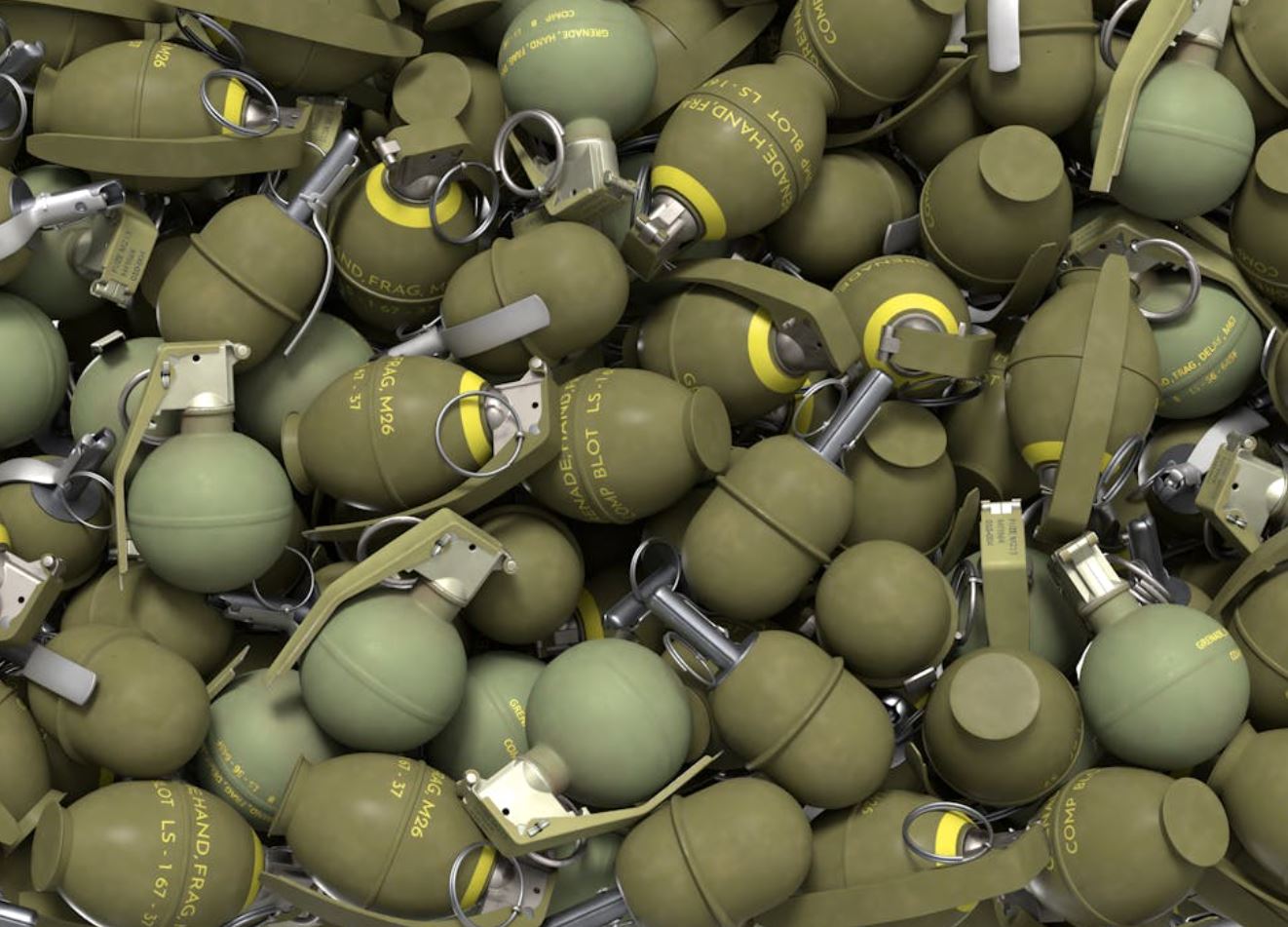
In a span of just four weeks this spring, Swedish authorities seized nearly 200 hand grenades across multiple regions, with a single operation in western Sweden accounting for roughly half the haul. Stockholm and Skåne saw seizures of just over 50 and 25 units respectively, with additional intercepts scattered nationwide. Simultaneously, on April 1, 2026, a sweeping regulatory change took effect: travellers moving €10,000 (approximately 110,000 SEK) or more in physical cash within the EU must now declare it to Swedish Customs.
Together, these developments expose the twin pipelines that sustain Sweden’s organized crime economy: illicit weapons flowing in, and laundered profits flowing out. For Nordic executives, compliance officers, and cross-border operators, the message is clear. Physical security and financial transparency are no longer siloed concerns; they are interconnected components of modern enterprise risk management.
The Dual Pipeline: Weapons In, Cash Out
Alexander Wallenius of the Police National Operations Centre described the grenade seizures as “an anomaly” in both scale and tempo. Yet from a supply chain perspective, the pattern is consistent with a broader evolution in Nordic organized crime. Groups have increasingly professionalized their logistics, exploiting EU free movement, misdeclared freight, and transit hubs to move contraband. The weapons influx correlates with rising extortion, protection rackets, and contract violence that disrupt local commerce, inflate commercial insurance premiums, and strain municipal security budgets.
Criminal networks operate as shadow enterprises. They require capital to procure arms, pay enforcers, and bribe logistics intermediaries. That capital is typically generated domestically through fraud, tax evasion, and illicit markets, then physically extracted to avoid Sweden’s robust digital banking oversight. The new cash declaration rule directly targets this outflow.
The April 1 Regulatory Shift: What Businesses Need to Know
Previously, Sweden’s cash reporting obligations applied only to travel to or from non-EU countries. The April 1 amendment closes a long-standing regulatory arbitrage within the Schengen area. Key provisions include:
– Declaration threshold: €10,000 or equivalent in cash, bearer negotiable instruments, or prepaid cards.
– Expanded enforcement: Customs officers may now inspect luggage and, where reasonable suspicion exists, conduct limited body searches.
– Retention powers: Funds may be held if declaration obligations are unmet or if preliminary checks suggest links to money laundering, tax evasion, or organised crime.
Financial Markets Minister Niklas Wykman (M) framed the change as a necessary closure of a known loophole: “It should not be possible to commit crimes in Sweden, make large profits, and then take them abroad.” Customs Director General Bodil Taylor added that the “criminal economy is enormous,” and the new powers provide “opportunities to put a stop to it.”
For businesses, the implications extend beyond law enforcement. Companies that frequently dispatch executives, manage cash-heavy operations, or coordinate cross-border logistics must update internal travel and treasury protocols. Physical cash movements are now subject to documented justification, and failure to comply risks operational delays, reputational exposure, and potential asset freezes.
Strategic Implications for Nordic Enterprises
1. Compliance & Operational Friction: The rule introduces a new checkpoint for intra-EU travel. Firms should revise corporate travel policies, mandate pre-departure cash audits, and train finance and logistics staff on declaration procedures. Expect longer processing times at major border nodes, particularly for freight carriers moving high-value goods.
2. Customs Capacity vs. Trade Velocity: Director General Taylor’s warning that Customs remains “a relatively small authority” is operationally significant. Reports of scanner shortages and reliance on specialised “banknote dogs” indicate that enforcement is currently labour-intensive and technology-constrained. Businesses should anticipate variability in clearance times and invest in pre-clearance documentation to mitigate supply chain disruption.
3. Investment Climate & Nordic Harmonisation: While security headlines temporarily weigh on Sweden’s investment narrative, proactive regulatory tightening signals institutional resilience. Foreign direct investment (FDI) increasingly prices in rule-of-law stability. Regionally, Denmark, Finland, and Norway are monitoring the policy closely; expect gradual harmonisation of intra-EU cash thresholds and expanded joint task forces across the Baltic Sea trade corridor.
4. The AML Convergence: Sweden’s move aligns with the EU’s broader anti-money laundering architecture, including the forthcoming European Anti-Money Laundering Authority (AMLA) and the revised EU Customs Code. Companies with pan-European footprints should treat this not as a standalone Swedish requirement, but as an early signal of tighter regional cash transaction oversight.
Bridging the Enforcement Gap
Legislation is only as effective as its execution. Customs has explicitly called for additional tools, including advanced container scanners, integrated data-sharing with police and EU financial intelligence units, and expanded analytical capacity. The deployment of cash-sniffing dogs, while innovative, underscores a transitional phase where human and animal resources compensate for technological shortfalls.
For policymakers, the priority must be accelerating procurement, leveraging AI-driven risk profiling, and establishing public-private threat intelligence channels. For businesses, the transitional window demands agile compliance frameworks: digital expense tracking, centralised cash movement logs, and contingency routing for time-sensitive shipments.
The Bottom Line
Sweden’s simultaneous crackdown on weapon inflows and cash outflows marks a structural shift in how the Nordic region confronts the economic footprint of organised crime. The regulatory landscape is tightening, and cross-border compliance is now a strategic imperative rather than a back-office function. Enterprises that proactively align their security, treasury, and logistics protocols will navigate the friction; those that treat it as a peripheral issue risk operational delays, regulatory scrutiny, and reputational exposure.
What’s Next & How to Connect
In our next issue, we’ll examine how Nordic corporations are restructuring their cross-border compliance frameworks in response to Sweden’s new cash declaration regime, featuring exclusive interviews with chief risk officers, customs technology providers, and EU policy advisors. We’ll also map the expected rollout timeline for AMLA-aligned cash tracking across the Nordic region.
Have a compliance challenge, border logistics concern, or regulatory insight to share? Connect with our editorial and research team at editorial@nordicbusinessjournal.com or join our quarterly Nordic Risk & Compliance Forum. Follow Nordic Business Journal for ongoing analysis on security, regulation, and economic resilience across the region.