
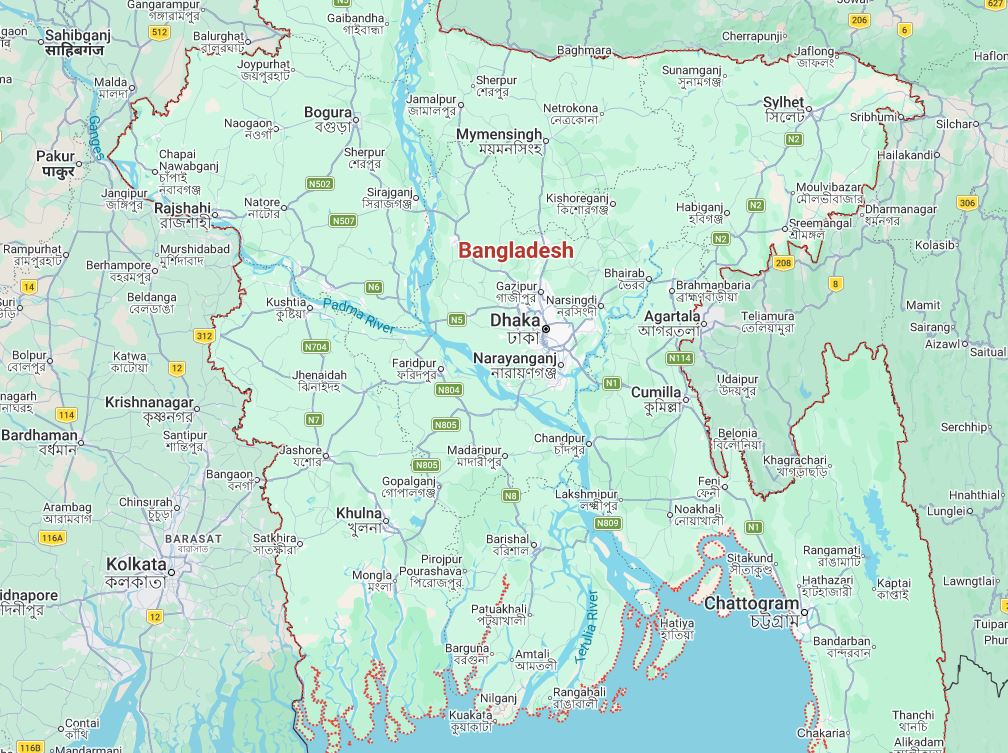
Bangladesh is confronting its most severe measles outbreak in nearly a decade, with over 6,400 confirmed paediatric cases across 56 districts and at least 98 suspected fatalities as of early April 2026. In response, the Government of Bangladesh—alongside UNICEF, WHO, and Gavi, the Vaccine Alliance—has launched an emergency measles-rubella vaccination campaign targeting more than 1.2 million children aged six months to five years.
While the humanitarian imperative is clear, this crisis also presents strategic considerations for Nordic executives operating in or investing across emerging markets. Below, we analyse the outbreak through a business lens—highlighting risks, opportunities, and actionable insights for the Nordic corporate community.
The Outbreak in Context: More Than a Health Emergency
The outbreak, which intensified in mid-March 2026, underscores systemic vulnerabilities in immunisation infrastructure. Even small disruptions—such as those caused by the pandemic or recent political transitions—can allow immunity gaps to accumulate, creating conditions for rapid disease resurgence. High-density urban centres like Dhaka and Cox’s Bazar, where population mobility and limited healthcare capacity intersect, are particularly exposed.
For Nordic multinationals with supply chains, workforces, or investment portfolios in South Asia, such public health shocks carry tangible business implications: workforce productivity losses, supply chain interruptions, and reputational exposure if ESG commitments to community health are perceived as unfulfilled.
Strategic Opportunities for Nordic Industry
1. Vaccine Supply Chain & Cold Chain Innovation
Nordic firms specialising in temperature-controlled logistics, renewable energy-powered refrigeration, and digital tracking systems are uniquely positioned to support last-mile vaccine delivery. Companies like Nolato, Swegon, or Danfoss could explore partnerships with UNICEF procurement channels or Gavi’s supply frameworks to scale cold-chain solutions in climate-vulnerable regions.
2. Public-Private Partnership Models
The Bangladesh campaign exemplifies the “multi-stakeholder” approach Nordic policy frameworks champion. Nordic pharmaceutical firms—such as Novo Nordisk or Orion Pharma—could leverage their expertise in regulatory affairs, quality assurance, and health system strengthening to support sustainable immunisation platforms beyond emergency response.
3. ESG Integration in Emerging Market Portfolios
For Nordic asset managers and family offices, health infrastructure represents a high-impact ESG opportunity. Investments in primary care digitisation, community health worker training, or vaccine manufacturing localisation can generate both social return and long-term market stability. Research indicates ESG-aligned firms in emerging markets demonstrate greater resilience to volatility and increased investor confidence.
4. Data & Digital Health Solutions
Nordic leadership in health tech—epitomised by Finland’s Omada Health collaborations or Sweden’s Kry platform—can address critical gaps in outbreak surveillance, caregiver engagement, and real-time coverage monitoring. Mobile-first solutions tailored to low-bandwidth environments offer scalable entry points.
Risk Mitigation: Health Security as Business Continuity
Forward-looking Nordic executives should integrate pandemic preparedness into enterprise risk frameworks. The Bangladesh outbreak illustrates how preventable diseases can rapidly strain health systems, disrupt labour markets, and trigger secondary economic effects. Proactive engagement—through supplier health standards, employee wellness programmes in high-risk regions, or strategic philanthropy aligned with SDG 3—can mitigate exposure while reinforcing brand equity.
Looking Ahead: From Response to Resilience
The current vaccination drive is a critical stopgap. Sustainable impact requires transitioning from emergency response to system strengthening. Nordic stakeholders can contribute by:
– Advocating for predictable, multi-year funding mechanisms for outbreak response (as outlined in Gavi’s 2026–2030 Leap agenda)
– Supporting technology transfer initiatives that build local vaccine production or diagnostic capacity
– Championing regional health security cooperation through Nordic-Bangladesh business councils or EU-ASEAN frameworks
Editor’s Note: This analysis is based on verified reports from WHO, UNICEF, and ReliefWeb as of April 2026. Figures remain fluid; readers are encouraged to monitor official channels for real-time updates.
What’s Next?
In our next edition, we will explore How Nordic Cleantech Can Power Health Infrastructure in Emerging Markets—examining solar-powered cold chains, water-sanitation linkages, and carbon-conscious health facility design.
We invite you to connect:
Are you a Nordic executive navigating health-related risks in global operations? Do you see untapped synergies between Nordic innovation and emerging market health needs? Share your insights with our editorial team at editorial@nordicbusinessjournal.com or connect via LinkedIn @NordicBizJournal. Together, we can turn global challenges into opportunities for responsible, resilient growth.
— The Nordic Business Journal Team
Sources
- ReliefWeb, “Bangladesh faces worst measles outbreak in a decade,” April 7, 2026.
- UN Bangladesh, “Emergency measles-rubella campaign launched,” April 5, 2026.
- Fitch Solutions/BMI, “Nordic Pharmaceutical Co-operation Will Support Regional Industry Growth,” May 2024.
- Pinnacle Academic Press, “ESG Investment Strategies in Emerging Markets,” July 2025.