
A nation divided over cow welfare, economic realities, and the future of sustainable agriculture
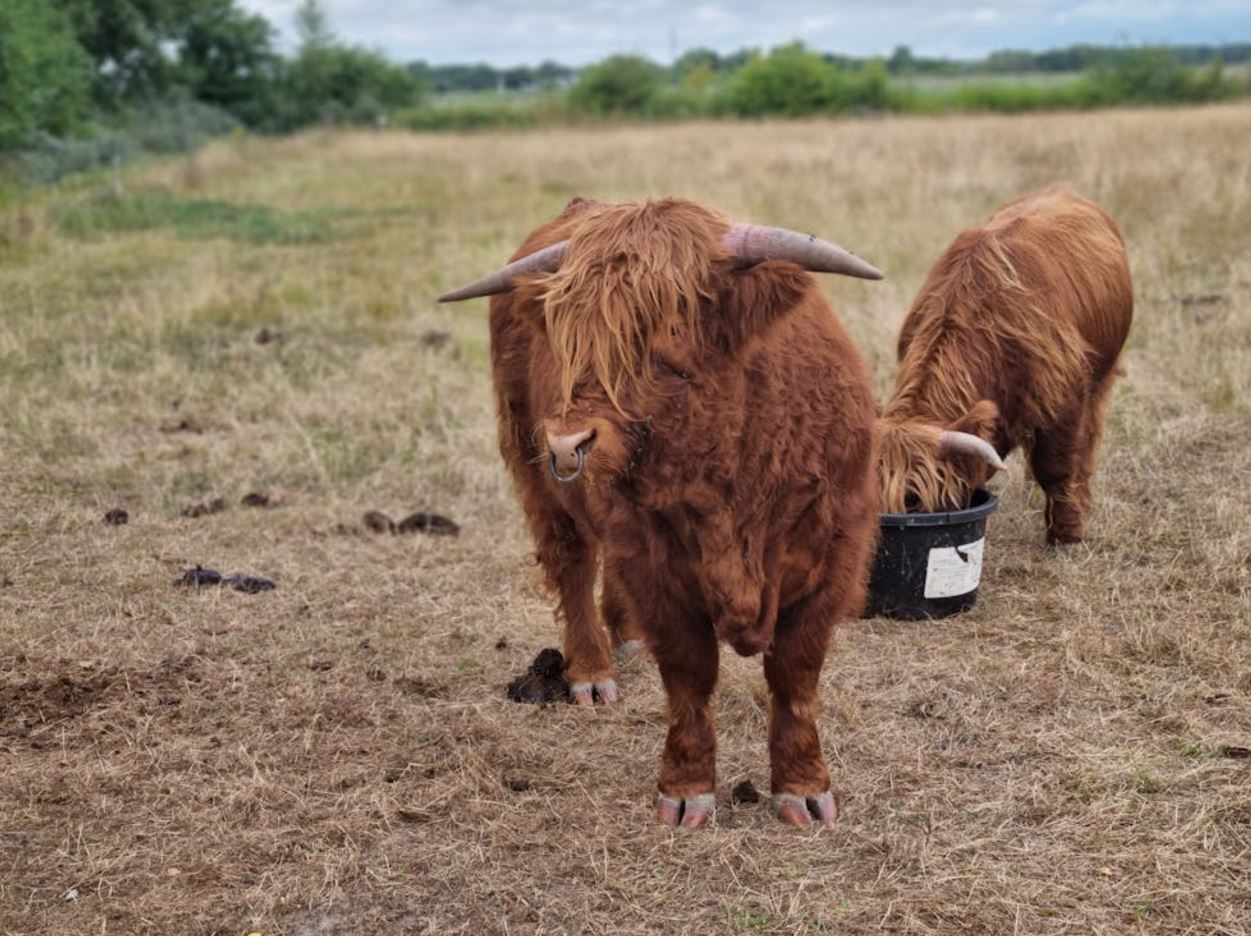
When the barn doors swung open at 39 farms across Denmark this April, something remarkable happened. Not the cows dancing into spring pastures—that’s become tradition. What stood out was the scale of public engagement: 125,000 Danes secured free tickets to witness Organic Day 2026, watching organic dairy cows transition from winter housing to summer grazing.
“It is powerful to experience that so many people want to join and welcome the opportunity to get up close to the cows,” noted Henrik Damholt Jørgensen, CEO of the Danish Dairy Association, in a statement that underscores a deeper shift in consumer consciousness.
But beneath this pastoral celebration lies a contentious policy battle that could fundamentally reshape Denmark’s €2.2 billion dairy export industry. The Danish Organic Association is pushing for mandatory summer grazing rights for all cattle—not just organic herds—while conventional farmers warn of structural collapse. With milk prices up 21% in 2025 following broader EU agricultural inflation trends, the stakes have never been higher.
The Welfare Argument: Science Meets Sentiment
The organic movement’s case rests on increasingly robust evidence. Cows on pasture demonstrate measurably lower stress levels, exhibit natural herd behaviours, and enjoy softer lying surfaces that reduce lameness—one of dairy’s most costly health issues.
“It’s not just romance or a good story. It’s simply animal welfare,” insists Michael Kjerkegaard, representative of the Danish Organic Association. “We can see that it means something to the animals to get out.”
The Danish Animal Protection Agency supports this position, with Chief Agricultural Policy Consultant Sophie Hastrup Christensen emphasizing that outdoor access enables natural feeding behaviours and social dynamics: “They want to be part of the pack, but they also want to have a place within the pack.”
Yet the data tells a troubling story. Pasture access has plummeted from 75% of dairy cows in 2003 to under 30% by 2020—the last Agricultural Census. The culprit? Industry consolidation toward larger, more intensive operations where individual cows produce significantly more milk, making outdoor logistics increasingly complex.
The Conventional Counterargument: Economics and Infrastructure
Thomas Poulsen, managing a 400-head robotic milking operation in South Zealand, represents the pragmatic opposition. His farm exemplifies modern Danish dairy: automated milking systems, climate-controlled housing with water beds and automated brushes, and optimized feed regimes that maximize output.
“Try to notice the cows and how they react when they come out,” Poulsen challenges. “Cows are creatures of habit. If you let them out to pasture and back in again, the cows can become stressed. And that can cause them to get digestive problems or similar.”
His operational reality is stark. Converting his clay-heavy South Zealand soil to pasture-accessible infrastructure would require massive capital investment in all-weather driveways. Meanwhile, organic farms often benefit from sandy soils that drain better—geographic advantages that aren’t evenly distributed.
The economic calculus is unforgiving. Poulsen would need to reduce herd size to accommodate grazing logistics, directly impacting revenue in an era of already-thin margins. His alternative—raising calves on meadows for beef production—creates biodiversity benefits without compromising milk production efficiency.
Policy Frameworks: The Electric Car Precedent
The Organic Association’s proposed solution mirrors Denmark’s successful clean technology transition: restructuring agricultural subsidies to reward grazed hectares with higher payments, effectively making pasture economically viable rather than merely ethically preferable.
Kjerkegaard draws explicit parallels: “You can compare it to electric cars. In Denmark, 70 percent of all cars sold today are electric cars, partly due to lower taxes. It’s because we’ve changed the framework.”
The flower fallow precedent strengthens his case. When Denmark introduced subsidies for biodiversity-promoting flower meadows, they rapidly became the nation’s third-largest “crop”—demonstrating how financial incentives can reshape agricultural landscapes.
However, Landbrug & Fødevarer (Danish Agriculture & Food) maintains that market mechanisms should prevail. “It is important that we include the market in order to have the affordable alternatives for those who need it, while at the same time having the other alternatives for those who want it,” states Ida Storm, the organization’s sector director for cattle.
Strategic Analysis: Three Scenarios for Nordic Dairy
Scenario 1: Market-Driven Gradualism
Current trajectory suggests organic dairy will capture increasing market share without regulatory intervention. Denmark’s organic dairy market is projected for sustained growth through 2033, driven by health-conscious consumers and sustainability preferences. However, this leaves the majority of conventional production unchanged, potentially exposing Danish dairy to future EU animal welfare regulatory tightening.
Scenario 2: Mandated Pasture Access
Compulsory grazing would force structural consolidation, likely reducing total Danish milk output while improving unit prices for remaining producers. This aligns with Denmark’s 2024 Agreement on a Green Denmark and the national Action Plan for Plant-Based Foods, which prioritize sustainability transitions. The risk: accelerating the shift toward plant-based alternatives already growing at 4.35% CAGR.
Scenario 3: Hybrid Innovation
The most probable path combines regulatory pressure with technological solutions. Arla Foods’ recent DKK 300 million investment in energy-efficient spray-drying technology at Videbæk demonstrates how major processors are future-proofing operations. Meanwhile, hybrid products—like PlanetDairy’s cow-and-plant-protein milk reducing carbon emissions 30-40%—offer compromise solutions.
The Export Imperative
Denmark’s dairy sector generates approximately €2.2 billion in annual exports, with Germany, the UK, and China as primary markets. Regulatory decisions reverberate internationally: Danish organic certification standards increasingly influence premium market access, particularly as the EU reviews organic secondary legislation including “exceptional conditions regarding pasture access”.
The 2025 IDF World Dairy Summit awarded Denmark’s “Think Dairy” campaign the Yves Boutonnat International Milk Promotion Trophy —recognition that Danish dairy branding increasingly depends on welfare credentials. This creates competitive pressure to maintain leadership in animal welfare standards, even at production cost.
Current Context: 2026 Market Dynamics
Recent developments complicate the debate:
- Milk prices surged 21% in 2025 across Denmark, reflecting EU-wide agricultural inflation
- Methane-reducing feed additive Bovaer was abandoned by Danish farmers after cow health complications emerged
- Bluetongue disease cost Denmark its disease-free status in 2024, disrupting trade logistics
- Arla’s AKAFA plant now operates using electric high-temperature heat pumps, replacing natural gas—demonstrating how infrastructure investment enables sustainability transitions
These factors suggest Danish dairy is already undergoing structural transformation. The pasture debate represents not a binary choice but a strategic inflection point.
Executive Insight: What This Means for Nordic Business
For stakeholders across the value chain, three imperatives emerge:
1. Supply Chain Resilience: Conventional producers should stress-test operations against potential pasture mandates, evaluating land access, infrastructure requirements, and herd-size optimisation.
2. Premium Positioning: Organic and high-welfare producers must capitalize on current consumer willingness to pay premiums, while conventional operators should invest in verifiable welfare metrics to maintain market access.
3. Policy Anticipation: The EU’s organic secondary legislation review and Denmark’s own multi-million research commitment to sustainable cultivation (DKK 70 million in 2026, DKK 50 million annually through 2029) signal regulatory direction. Early compliance investments will yield competitive advantages.
Conclusion: Beyond the Barn Door
The 125,000 Danes watching cows enter spring pastures represent more than agricultural tourism—they embody shifting societal expectations about food production. Whether through subsidy restructuring, regulatory mandate, or market evolution, Denmark’s dairy sector faces inevitable transformation.
The question is not whether change will come, but whether Danish producers will lead it or react to it. In an era where sustainability credentials increasingly determine market access, the pasture debate is ultimately about competitive positioning in a transforming global dairy landscape.
The cows, at least, seem ready for spring.
About the Author: Nordic Business Journal covers the intersection of Scandinavian business, policy, and sustainability. This analysis was prepared using current market data and policy developments through April 2026.
Coming Next: The Carbon Accounting Revolution
Our follow-up investigation will examine how Denmark’s new mandatory climate labelling requirements and the EU’s Carbon Border Adjustment Mechanism are reshaping export competitiveness for Nordic food producers. We’ll analyse which Danish dairy operations are positioned to thrive under carbon-accounting transparency—and which face existential margin pressure.
Connect with us: Share your perspective on the future of Nordic agriculture. Email editorial@nordicbusinessjournal.com or connect via LinkedIn @NordicBusinessJournal. Reader insights inform our reporting—your operational realities matter to this conversation.
Published April 12, 2026. Data current as of publication date.