
Six months into the digital border rollout, 27,000 entries refused and 700 security flags signal a new era of friction—and opportunity—for Nordic businesses.
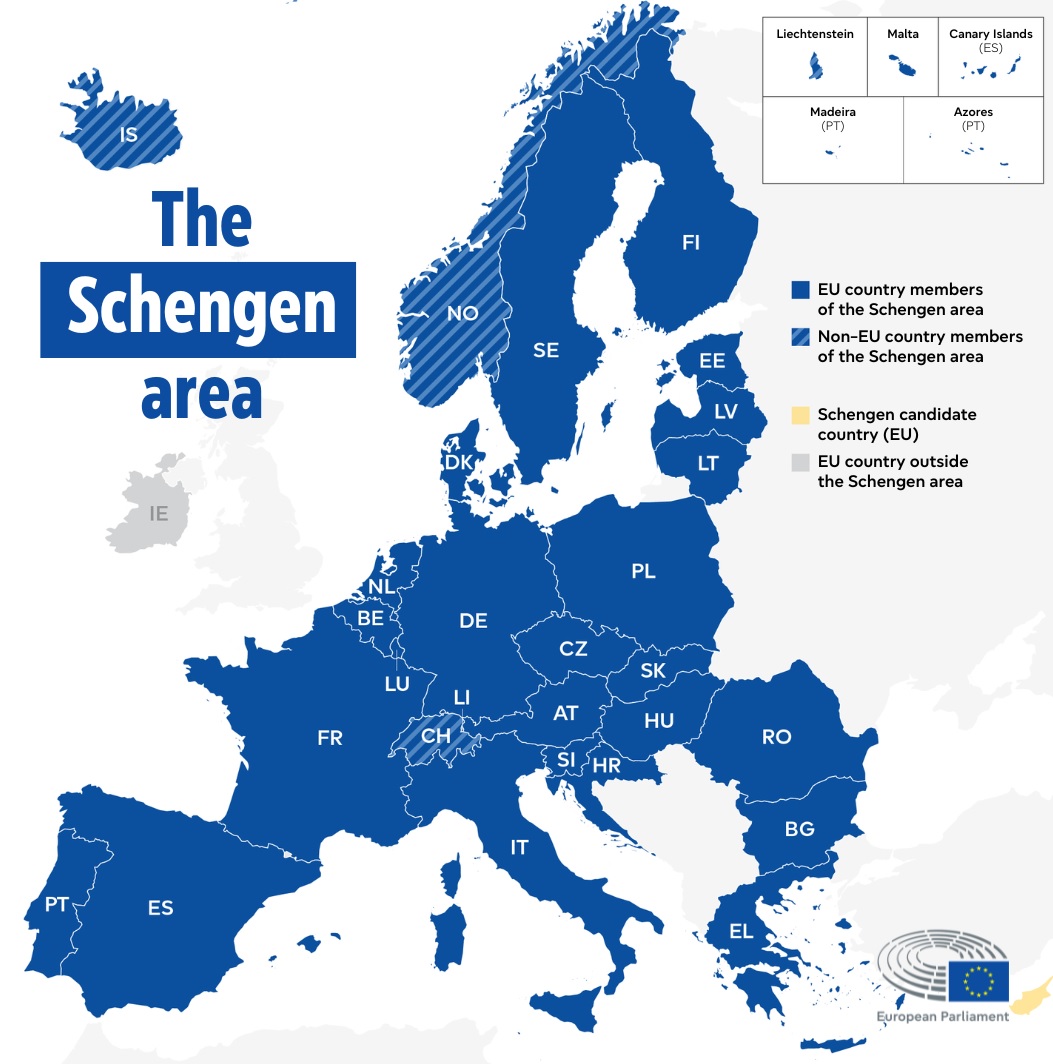
Since its phased rollout in October 2025 and full operational deployment across 29 countries in early 2026, the European Union’s Entry/Exit System (EES) has registered more than 52 million border crossings, denied entry to over 27,000 travellers, and flagged nearly 700 individuals for security assessment. For Nordic enterprises, logistics operators, and tourism stakeholders, the transition from manual passport stamps to a centralised biometric database is not merely an administrative upgrade. It is a structural recalibration of cross-border mobility, compliance overhead, and operational resilience.
How the System Works (and Why It Matters)
The EES replaces physical passport stamping with automated digital registration at all EU external borders, including Schengen-adjacent non-EU states. Non-EU nationals must now provide passport details, facial imagery, and fingerprints upon first entry and subsequent exits. The European Commission reports an average processing time of 70 seconds per traveller under standard conditions. However, real-world deployment has revealed variability: automated gates consistently hit the 45–60 second mark, while manual override stations and peak-season queues have pushed processing past three minutes.
Six-Month Snapshot: Early Metrics, Emerging Patterns
- 52M+ registered crossings across air, sea, and land checkpoints
- 27,000+ refused entries (≈0.05% rejection rate), primarily tied to overstays, missing documentation, or prior immigration violations
- 700 security assessments triggered by cross-referencing with EU and Interpol databases
- Infrastructure strain reported at high-volume corridors, particularly ferry terminals and regional land borders lacking biometric kiosks
Statistically, the refusal rate remains modest. Operationally, it represents a new variable in route planning, workforce scheduling, and customer experience management.
Business Impact: Three Domains Under Recalibration
1. Logistics & Supply Chains
Cross-border freight drivers, many holding non-EU citizenship, now require biometric registration at each entry and exit. Key Nordic chokepoints—including the Øresund crossing, Baltic Sea ferry routes, and the Tornio-Haparanda land border—have seen intermittent queuing that threatens just-in-time manufacturing windows and cold-chain integrity. Companies are already adjusting shift patterns, pre-clearing routes, and diversifying corridor usage to mitigate delay risk.
2. Tourism & Business Travel
The Nordic region’s premium positioning in MICE (Meetings, Incentives, Conferences, Exhibitions), leisure travel, and international education relies on predictable border friction. Early data suggests a 6–9% dip in spontaneous short-stay visits during Q1 2026 at airports still calibrating EES workflows. Operators that have integrated pre-registration portals, digital traveller guidance, and dedicated business-lane partnerships are preserving conversion rates and protecting seasonal revenue.
3. Compliance & Corporate Mobility
Multinational firms managing expatriate assignments, contractor rotations, or frequent executive travel must now treat border processing as a compliance workflow, not an afterthought. HR, travel, and procurement teams are updating duty-of-care protocols, auditing visa-exempt travel policies, and factoring EES data retention rules into internal mobility frameworks.
The Nordic Angle: Automation Meets Coordination
Unlike many continental hubs, Nordic border infrastructure is characterised by high baseline automation, strong public-private coordination, and stringent GDPR-aligned data governance. Copenhagen Airport, Stockholm Arlanda, and Oslo Gardermoen have rapidly deployed EES-compatible biometric lanes, minimising passenger disruption. However, regional ferry operators, municipal border authorities, and private logistics parks report uneven tech readiness, prompting calls for targeted EU co-funding and Nordic-level standardisation on kiosk deployment, staff training, and fallback procedures.
The region’s strength lies in its ability to treat border tech as a shared utility. Industry consortia in Sweden and Denmark are already piloting integrated EES-customs data feeds to accelerate commercial vehicle processing, a model that could scale across the Nordic-Baltic corridor by late 2026.
Strategic Takeaways for Nordic Decision-Makers
– Model delay scenarios into routing, staffing, and SLA negotiations. A 15-minute border variance compounds across multi-leg supply chains.
– Audit traveller profiles against EES requirements. Clarify which employees, contractors, or clients fall under non-EU registration rules and establish pre-clearance workflows.
– Invest in digital facilitation. Partner with travel management companies or border-tech providers offering API-driven pre-registration, real-time queue monitoring, and contingency routing.
– Engage proactively with authorities. Nordic chambers of commerce and industry associations are channelling operator feedback to national border agencies. Participation shapes rollout pacing and exemption frameworks.
Looking Ahead: ETIAS, Integration, and the Pre-Clearance Economy
The EES is the first pillar of the EU’s Smart Borders architecture. The European Travel Information and Authorisation System (ETIAS), targeting mid-2026 implementation, will introduce pre-travel screening for visa-exempt nationals. Once interoperable, EES and ETIAS will compress decision windows, enable dynamic capacity planning, and reduce manual interventions by an estimated 15–20% by Q4 2026—provided infrastructure investments and staff training keep pace.
For Nordic businesses, the trajectory is clear: border mobility is transitioning from a passive checkpoint to a data-driven operational layer. Firms that embed compliance into supply-chain design, travel policy, and customer journey mapping will convert regulatory friction into competitive advantage.
Next in the Nordic Business Journal Series:
“ETIAS and the Pre-Clearance Economy: How Nordic Businesses Can Future-Proof Cross-Border Mobility.” We’ll break down pre-travel authorisation workflows, data-sharing protocols, and the compliance strategies separating resilient operators from reactive ones.
Connect with Us:
Follow our ongoing coverage of EU regulatory shifts, Nordic trade infrastructure, and corporate mobility strategy. Submit industry data, share your border-management challenges, or register for our Q2 Business Mobility Roundtable by contacting our editorial desk at editorial@nordicbusinessjournal.com or visiting this message post. Your insights shape our next reports.