
How GLP-1 medications are reshaping Nordic healthcare markets—and why access remains a luxury good
The numbers tell a remarkable story. In 2025, Swedes purchased SEK 213 million (approximately €19 million) worth of obesity medications out of their own pockets, a nearly threefold increase from the previous year. Nearly 170,000 Swedes—roughly 1.6% of the adult population—are now taking prescription obesity drugs, with Mounjaro (tirzepatide) and Wegovy (semaglutide) dominating the market.
Yet beneath these figures lies a tension that defines the Nordic healthcare paradox: revolutionary treatments exist, but the systems designed to provide universal access are refusing to pay for them.
From Diabetes to Cultural Phenomenon
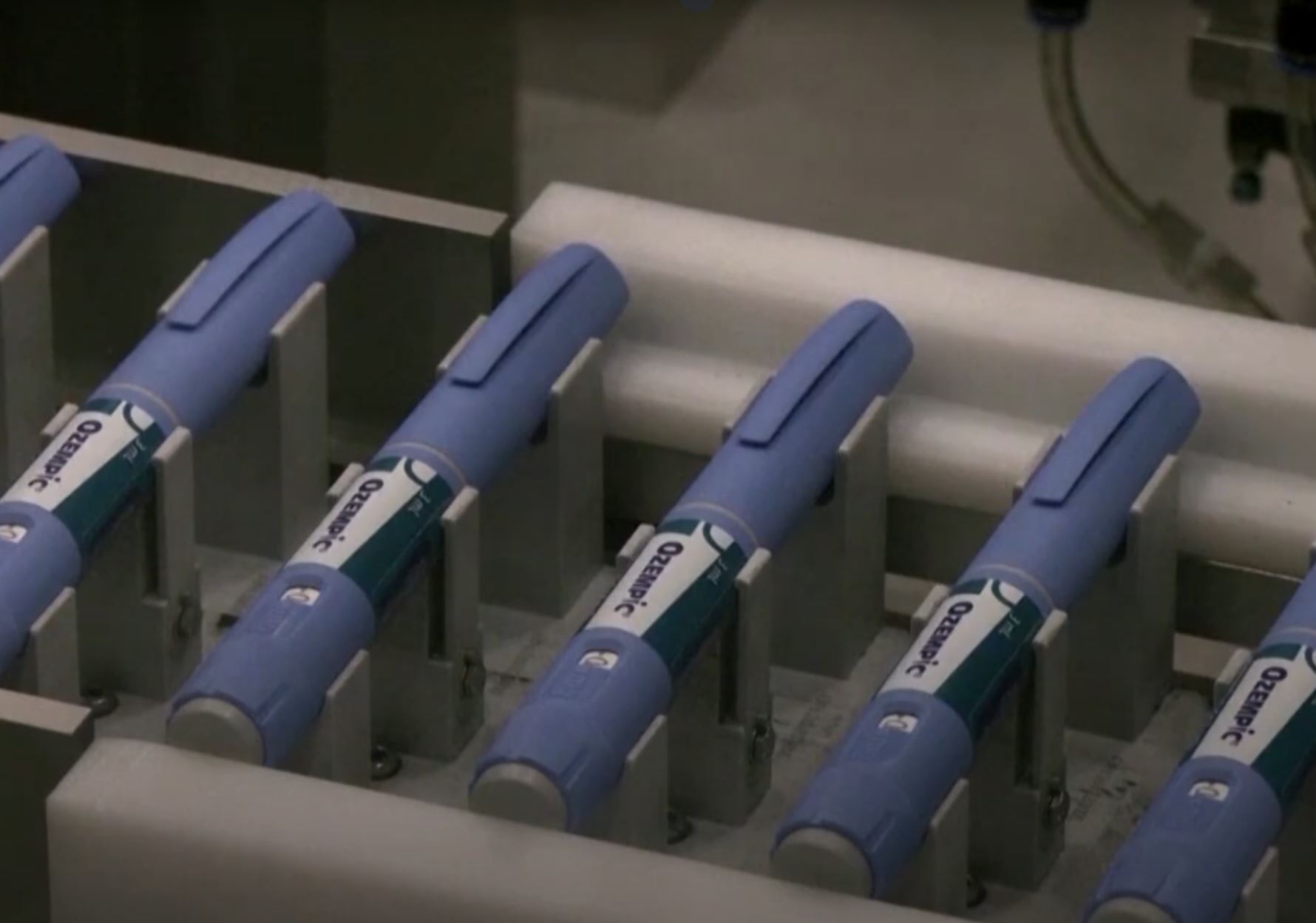
The GLP-1 revolution began quietly. Originally developed for type 2 diabetes, semaglutide—marketed as Ozempic for diabetes and Wegovy for obesity—has demonstrated what Ylva Trolle Lagerros, professor at Karolinska Institutet and chief physician at the Centre for Obesity, calls “game-changing” efficacy. Patients typically achieve 15-17% body weight reduction, fundamentally altering the trajectory of obesity-related comorbidities including cardiovascular disease, sleep apnoea, and fatty liver disease.
The market response has been explosive. The European peptide drugs market for metabolic diseases—dominated by GLP-1 agonists—is projected to grow from $13.8 billion in 2025 to $24.6 billion by 2032. Globally, the GLP-1 market is forecast to reach $163.3 billion by 2034.
But in Sweden, this growth is occurring almost entirely outside the public reimbursement system.
The Reimbursement Rejection: A Case Study in Healthcare Economics
In February 2026, Sweden’s Dental and Pharmaceutical Benefits Agency (TLV) made a decision that reverberated across the Nordic region: it rejected Novo Nordisk’s application to include Wegovy in the national drug benefits scheme, even for severely obese patients with multiple comorbidities.
The reasoning reveals systemic anxieties. TLV cited “subsidy gliding”—the risk that physicians would prescribe beyond restricted indications—and the absence of infrastructure to monitor compliance. With 1.6 million Swedes having a BMI over 30, the agency feared uncontrollable budget expansion.
“The consequences that indication creep could lead to have not been addressed,” TLV stated, noting that without reliable patient registries or specialist clinic infrastructure, Sweden lacks mechanisms to contain prescribing to approved subgroups.
Novo Nordisk had proposed restricting reimbursement to adults with BMI ≥35 plus three comorbidities, or BMI ≥40 plus two comorbidities, plus adolescents aged 12-18 with BMI ≥35—an estimated 50,000-100,000 patients rather than the full eligible population. Even this proved too risky for TLV.
The Inequality Problem
The rejection has sparked intense debate about healthcare equity. Jenny Vinglid, secretary general of the Swedish Obesity Association, expresses the frustration of patients who cannot afford SEK 3,000-4,000 monthly treatment costs: “TLV does not trust doctors or prescribers in this particular matter. However, they do trust doctors who prescribe Ozempic for patients with type 2 diabetes”.
Professor Trolle Lagerros identifies a darker consequence: “Many stay at home. Due to their obesity, they are not in the labour market, they do not complete their secondary education, and they do not have the money to pay for this medicine out of their own pockets”. The result is a two-tier system where the wealthy access transformative treatment while the economically marginalised—often those with the most severe obesity and comorbidities—are left behind.
Nordic Patterns: Cost Containment Across Borders
Sweden is not alone in its caution. Denmark, despite being home to Novo Nordisk, launched Wegovy in December 2022 without public reimbursement; major private insurer Danmark declined coverage from January 2024, citing cost-benefit concerns. Norway restricted Ozempic reimbursement to diabetic patients from July 2024 to control off-label use.
This pattern reflects a broader Nordic challenge: how to integrate high-cost specialty drugs into tax-funded healthcare systems designed for different economic realities. With Finland and Sweden’s NATO accession increasing defence spending and national debt pressures, pharmaceutical budgets face heightened scrutiny.
Market Evolution: Competition and Innovation
The landscape is shifting rapidly. Eli Lilly’s Mounjaro (tirzepatide), a dual GIP/GLP-1 agonist, overtook Wegovy in Swedish sales by late 2024, capturing SEK 157 million in November 2025 alone. The competition is driving innovation: Novo Nordisk has announced 50% price cuts for Wegovy and Ozempic in the U.S. market effective January 2027, reducing monthly costs from $1,350 to $675.
More significantly, oral formulations are emerging. The Wegovy pill, launched in the U.S. in December 2025, achieved 300,000 prescriptions within two months at roughly $149-299 monthly—one-seventh the cost of injectables. These developments could fundamentally alter accessibility equations in Nordic markets.
The Business Analysis: What This Means for Nordic Healthcare Stakeholders
For pharmaceutical companies: The Nordic region represents both opportunity and frustration. High awareness (70-85% of Danes and Swedes know GLP-1 drugs) and willingness to pay out-of-pocket demonstrate market demand, but reimbursement barriers limit volume. The TLV rejection signals that cost-effectiveness alone is insufficient—companies must propose viable risk-sharing mechanisms and demonstrate commitment to indication control.
For healthcare providers: The rise of private digital obesity clinics—over 25 now operate in Sweden—creates regulatory challenges. These platforms prescribe without physical examination, raising quality concerns while meeting unmet demand. The National Board of Health and Welfare has launched investigations into prescription patterns, with results expected by May 2026.
For employers and insurers: The cardiovascular risk reduction label expansions approved by FDA in March 2024 and EMA in September 2024 broaden the therapeutic justification for coverage. As evidence accumulates for long-term medical cost savings through reduced diabetes, heart disease, and liver complications, the economic calculus for coverage may shift—though ROI timelines remain uncertain due to employee turnover and slow disease progression.
For policymakers: Sweden faces a defining test. The current system effectively rations by wealth rather than clinical need, undermining the equity principles of Nordic healthcare. Yet unrestricted access to drugs costing SEK 30,000-50,000 annually per patient would strain budgets already pressured by defence commitments and demographic shifts.
The Path Forward
The obesity drug revolution is irreversible. With global prevalence at 1 billion people and WHO linking obesity to 3.7 million annual deaths, GLP-1 agonists are positioned as essential public health tools. The question for Nordic systems is not whether to integrate them, but how.
Several pathways emerge:
1. Registry Infrastructure: Establishing obesity-specific patient registries to enable monitored, restricted reimbursement—addressing TLV’s core objection.
2. Managed Entry Agreements: Implementing budget caps where marginal pricing adjusts if patient volumes exceed projections, protecting system sustainability.
3. Stepped Care Models: Requiring lifestyle intervention documentation before pharmacotherapy, ensuring drugs supplement rather than replace foundational treatment.
4. Oral Formulation Adoption: As pill versions reach Nordic markets at significantly lower price points, accessibility barriers may diminish without requiring full reimbursement.
Nordic Business Journal | Analysis
Next in Our Series
In our upcoming June issue, we examine how Danish pharmaceutical giant Novo Nordisk is navigating the tension between its domestic market constraints and global expansion, including the geopolitical implications of obesity drug trade as Denmark engages in high-stakes negotiations with the United States . We’ll also explore how Finland’s entry into NATO is reshaping its pharmaceutical procurement strategies and what lessons Sweden’s TLV rejection holds for other high-cost specialty drug categories.
Connect with us: Share your perspective on Nordic healthcare innovation and access. Editor@NordicBusinessJournal.com | @NordicBizJournal | LinkedIn: Nordic Business Journal
This analysis is based on data from the Swedish eHealth Agency, TLV decision documents, IQVIA Nordic market reports, and interviews with healthcare stakeholders. All currency conversions approximate.