
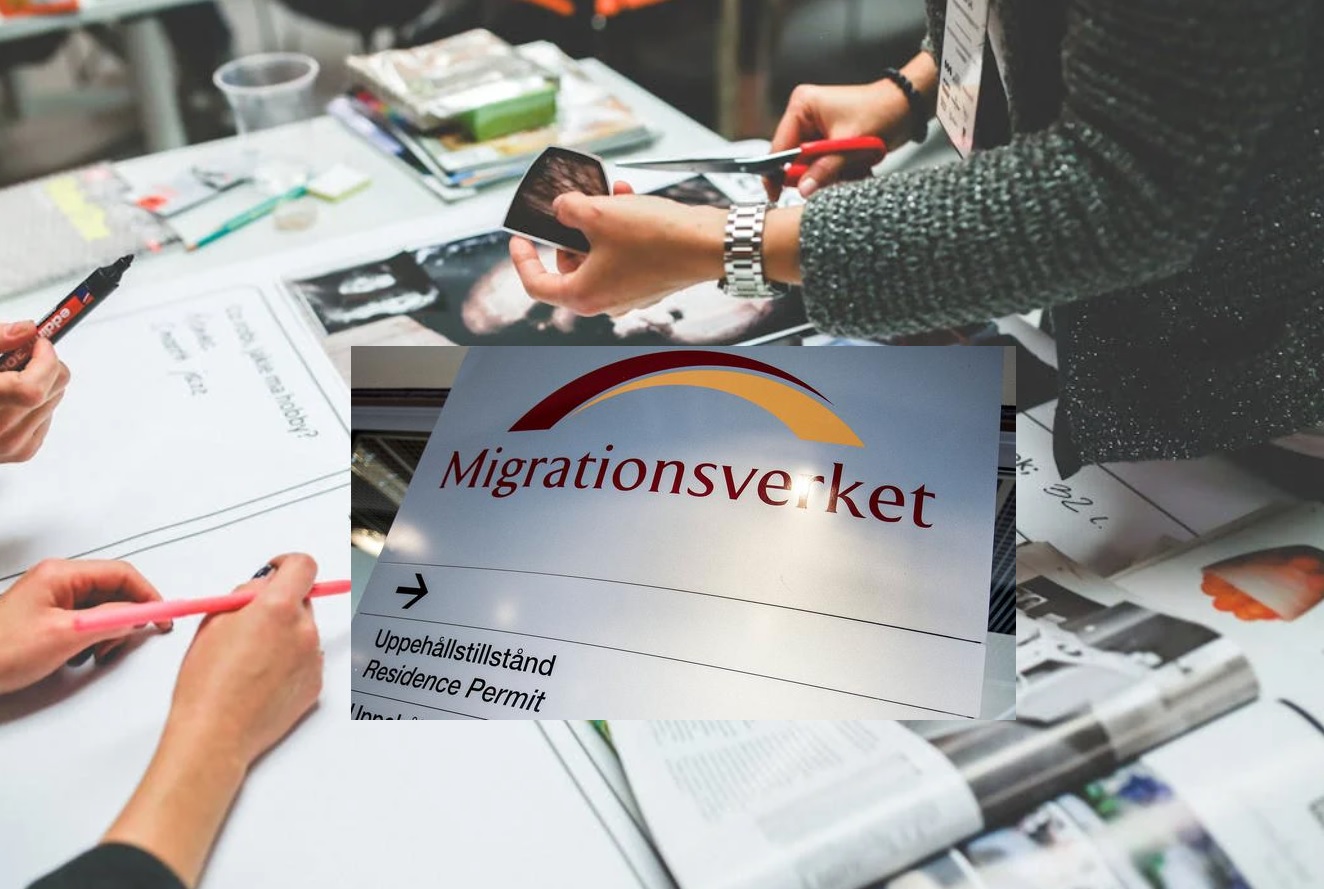
Sweden substantially raised its repatriation grant earlier this year to encourage people with residence permits granted on protection grounds to voluntarily return to their countries of origin. The policy was billed as a pragmatic way to reduce long-term costs for municipalities and the state, and to offer a dignified alternative to enforced removals.
But take-up has been negligible. Swedish Radio reported that of roughly 500 applications received, only six people were approved; more than 150 applications were rejected, often because applicants were Swedish citizens or had outstanding debts that make them ineligible. The contrast — a generous headline figure with practically no payouts — exposes a string of operational, legal and behavioural problems that matter for taxpayers, local governments and the private actors involved in integration and migration services.
Why so few approvals? Four factors stand out
1. Eligibility and legal reality
- The grant targets non-citizens with protection-based residence permits who choose voluntary return. Naturalised citizens and many long-term residents are simply ineligible. Media numbers indicating “hundreds” applying tell us there is confusion among applicants about who qualifies.
- Administrative checks for citizenship, identity and country-of-origin documentation are time-consuming and strict, which delays decisions and deters applicants.
2. Financial disqualifiers: debts and attachment to Sweden
- Sweden’s regulations frequently bar payouts to individuals with certain state or municipal debts, or require deductions. Many applicants are blocked by debts accumulated during residence — rent arrears, social assistance overpayments or fines — making the cash incentive effectively unavailable to those most financially pressured.
- For many potential returnees, the grant does not offset the loss of social networks, employment prospects in Sweden, or the risks tied to returning to unstable job markets in origin countries.
3. Incentive design and behavioural barriers
- A one-off cash grant, however larger, competes poorly with long-term economic calculus. Migrants weigh not just immediate cash but access to employment, schooling for children, health services and social stability. If return prospects are poor or uncertain, the incentive needs to be paired with concrete reintegration support.
- Stigma and uncertainty about safety back home also reduce take-up among people granted asylum on protection grounds.
4. Implementation friction
- Application complexity, slow processing times and lack of targeted outreach — especially in languages and through trusted intermediaries — reduce effective uptake.
- Coordination with origin-country authorities for travel documents, reintegration logistics and post-return monitoring is often weak, undermining applicants’ confidence.
Policy and fiscal implications for Sweden and municipalities
- Fiscal exposure is currently low because few grants have been paid. That may tempt policymakers to raise the offer further without fixing structural barriers; but higher nominal payments alone are unlikely to increase voluntary returns materially.
- Municipal budgets continue to carry the biggest short-term cost of housing, schooling and social services for those who stay. For municipalities looking to reduce caseloads, improved voluntary-return schemes could be part of a toolbox — but only if coupled with smarter eligibility rules and reintegration services.
- The political optics matter: headline increases appeal to voters demanding tougher migration controls, yet low take-up exposes a gap between rhetoric and operational effectiveness.
What Nordic peers do differently — potential lessons
- Norway and Denmark, among others, combine return grants with reintegration packages: help finding housing on return, small-business support, skills recognition, and post-return follow-up. These reduce risk and increase the perceived value of going home.
- International organisations such as IOM (International Organization for Migration) provide logistical support and counselling that improve outcomes; partnerships with such organisations can shorten administrative timelines and improve trust.
Practical recommendations — for policymakers and businesses
- Redesign incentive packages to be multi-component: cash plus guaranteed reintegration services (housing, job support, skills vouchers).
- Resolve the debt disqualification problem: consider targeted debt remission, restructuring or conditional waivers to ensure those with the most need can still benefit.
- Simplify and publicise eligibility rules clearly in multiple languages; invest in trusted intermediaries (NGOs, community leaders) to explain the scheme.
- Improve coordination with origin-country authorities to fast-track travel documentation and safe reception.
- For private providers and investors in the migration services sector: explore public–private partnerships to deliver reintegration programs, fintech solutions for remittances and microfinance for returnee entrepreneurship.
- Require transparent reporting of take-up, costs and outcomes so policymakers can evaluate effectiveness rather than rely on headline figures.
Business angle: opportunity and caution
For companies operating in labour, housing, fintech or social services, improved voluntary-return programs present new markets — from reintegration services to digital identification and remittance platforms. But investors should be wary: demand is constrained by legal eligibility and by the fundamental decision drivers of migrants. Contracts with public agencies must account for slow decision cycles and complex cross-border coordination.
Sweden’s increased repatriation grant illustrates a broader truth: monetary incentives alone rarely solve complex migration policy challenges. To produce measurable results, cash must be part of a package that addresses legal eligibility, debt barriers, reintegration prospects and administrative friction. Without such redesign, higher headline payments will continue to look good in press releases but poorly on the ground.
Where we go next and how to reach us
Next in this series: a data-driven cost–benefit analysis of multi-component voluntary return programs in the Nordic region, including interviews with returnees, municipal officials and service providers. If you have firsthand accounts, municipal data, or tips about local return initiatives, please connect with us. Send tips or inquiries via our website Nordic Business Journal or reach our editorial team on LinkedIn and X. Readers and stakeholders interested in collaborating on research or pilot programs should contact our newsroom to be connected with the reporter for the next piece.