
Denmark Hits Historic EV Milestone as Electric Vehicles Capture Nearly One-Fifth of New Car Registrations
Denmark has reached a pivotal threshold in its automotive history, with 600,000 electric vehicles now traversing Danish roads—a figure that underscores the rapid transformation of the nation’s transportation sector and its commitment to carbon neutrality.
The milestone, confirmed by Mobility Denmark, arrives precisely when analysts predicted Denmark would cross this threshold, reflecting a trajectory that has accelerated dramatically over the past 18 months. Just six months prior, the country had celebrated its 500,000th electric vehicle, meaning Denmark added 100,000 EVs in approximately half a year—a rate that places the kingdom among the fastest-adopting nations in Europe.
The Numbers Tell a Compelling Story
The environmental implications of this shift are substantial when examined through the lens of fleet composition. Mobility Denmark’s data reveals that the average carbon emissions of newly registered passenger cars plummeted from 117 grams of CO2 per kilometre in 2020 to just 41 grams per kilometre by 2025. This dramatic 65% reduction illustrates how thoroughly electric vehicles have penetrated the new car market—a trend that shows no signs of deceleration.
By April 2026, projections suggest that electric vehicles now represent approximately 18-20% of all passenger cars registered in Denmark, a figure that would have seemed optimistic just three years ago. The acceleration correlates directly with expanding model availability, improved charging infrastructure, and shifting consumer attitudes toward sustainable transportation.
Market Dynamics and Consumer Behaviour
Several factors have converged to produce this remarkable uptake. The Danish government’s continued support for EV incentives, combined with increasingly competitive pricing from European and Asian manufacturers, has made electric vehicles accessible to a broader segment of the population. Major automakers have responded by prioritising Danish markets, ensuring robust supply of models ranging from compact urban vehicles to family-sized SUVs.
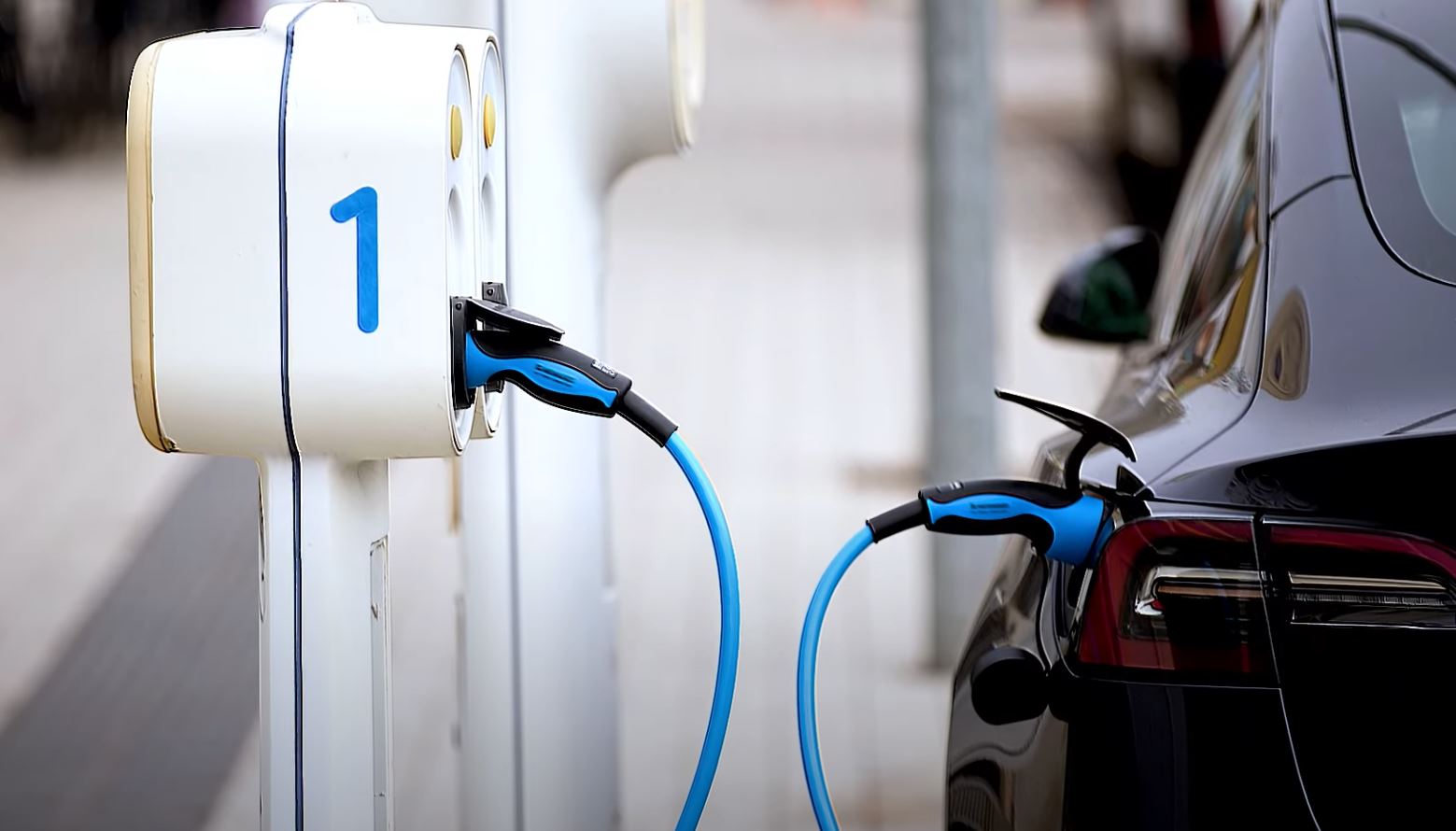
The charging infrastructure has expanded correspondingly, addressing what was once the primary consumer concern. Denmark now boasts one of the densest charging networks ratios in Scandinavia, with rapid charging stations strategically positioned along major transportation corridors and urban centres. This infrastructure expansion has effectively neutralized range anxiety, a psychological barrier that previously deterred many potential EV purchasers.
Industry Implications and Future Trajectory
For business readers, the EV transformation carries significant implications. The automotive aftermarket, traditionally dominated by internal combustion engine service and parts, faces fundamental restructuring. Insurance models are evolving to reflect new risk profiles, while fleet management companies are recalibrating their asset strategies. Energy providers, meanwhile, are positioning themselves to capture increased electricity demand—a demand that, notably, can be partially met through Denmark’s substantial renewable energy capacity.
The transition also presents challenges worth acknowledging. Battery supply chains remain under pressure, and the secondary market for used electric vehicles is still maturing. Questions surrounding battery longevity, recycling infrastructure, and grid capacity during peak charging periods require strategic attention from policymakers and industry leaders alike.
Looking Ahead
Our next instalment will examine how Danish businesses are adapting their fleet operations to electric vehicles, featuring case studies from logistics companies, corporate fleets, and the small and medium enterprise sector navigating this transition. We will also analyse the investment landscape for charging infrastructure and assess Denmark’s competitive position within the broader Nordic energy ecosystem.
To continue this conversation, connect with the Nordic Business Journal team. Follow us on LinkedIn for daily updates on Nordic business trends, subscribe to our weekly briefing for in-depth analysis delivered every Monday morning, or reach our editorial team directly at editor@nordicbusinessjournal.com. We welcome reader submissions, industry perspectives, and story suggestions from professionals operating across the Nordic business landscape.